ERP decisions that hold up during daily operations
Oracle Consulting and NetSuite ERP Implementation
Elatre helps finance and operations teams choose, implement and improve Oracle applications and NetSuite ERP. We connect process design, data migration and integrations with the controls your business needs to run. Start with the transactions, reporting and handoffs that your current system makes difficult, then build an implementation your team can operate.
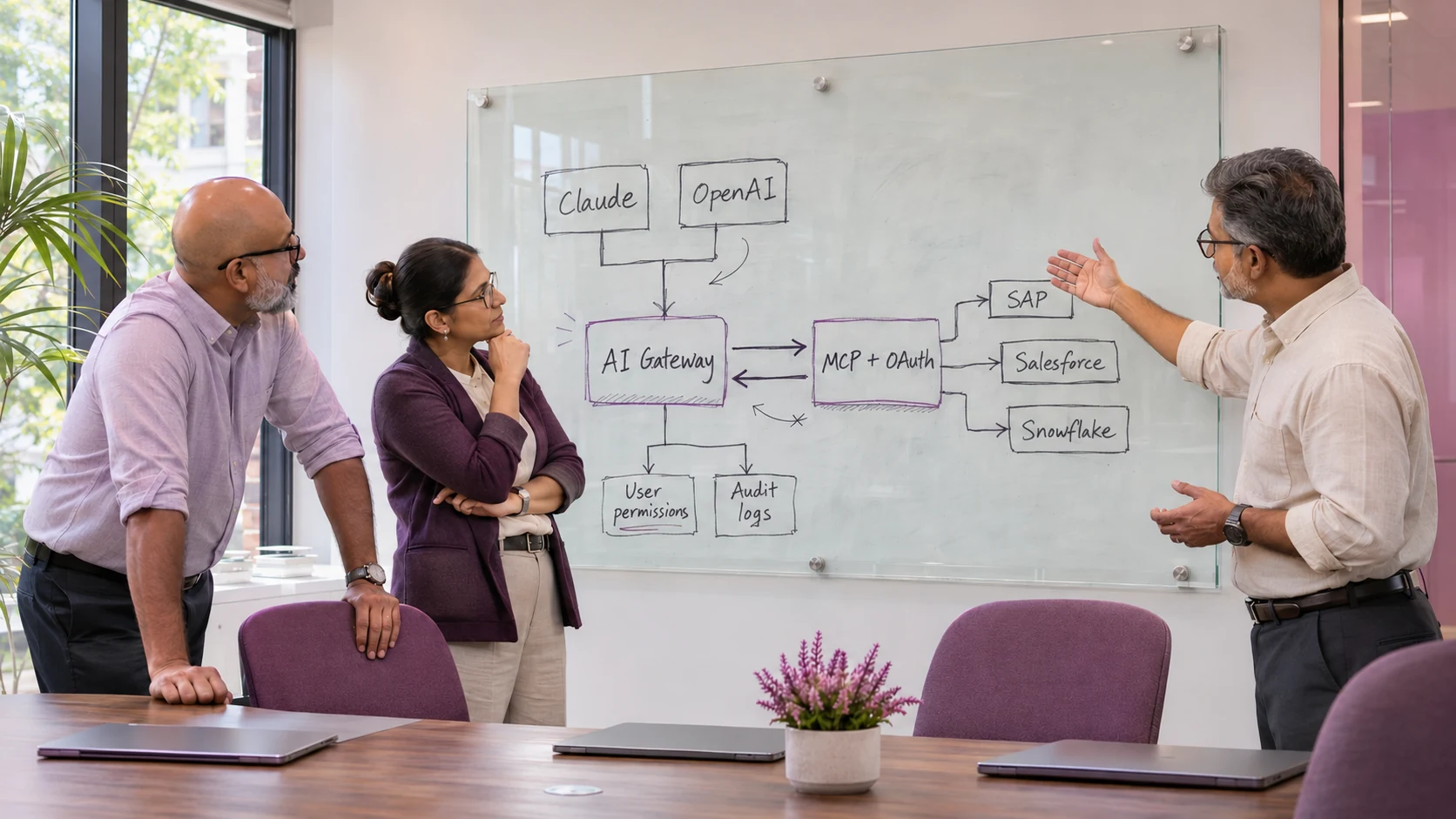
Oracle consulting connected to finance and operations
Elatre provides Oracle consulting services and NetSuite ERP implementation for organizations changing how financial and operational work gets done. Elatre connects platform selection, configuration, migration and integrations to named process owners and measurable acceptance criteria.
An ERP project starts with business records and decisions. A sales order must reach fulfillment, an invoice must match the work delivered and finance must understand the resulting balances. We examine those complete journeys before designing fields, dashboards or custom scripts. This exposes missing approvals and conflicting ownership while the design is still straightforward to change.
Oracle Fusion Cloud applications and NetSuite are separate platforms with different configuration and integration models. We define which product and modules belong in scope rather than treating Oracle as a single interchangeable system. An existing Oracle estate may need targeted integration or process improvements, while another organization needs a NetSuite implementation with a new operating model.
Our work can cover a new deployment, a subsidiary rollout, an acquisition integration or an existing implementation that needs attention. We keep useful configuration and working interfaces wherever they meet the requirement. A clear backlog separates essential launch work from improvements that can follow, giving finance and operating teams a release they can actually approve.
A broader platform decision may involve IT strategy and digital transformation consulting. Once the decision is made, this engagement owns the ERP process design and delivery. Your team receives an implementation scope, a responsibility map and a record of the assumptions that affect cost, timing and acceptance.
Elatre brings a global network of 5,870+ specialists: 350+ senior AI and software solution architects, 520+ growth and marketing engineers and 5,000+ business protocol specialists. Elatre governs $250M+ in monthly client technology, cloud compute and performance media budgets. About Elatre
Choose the right Oracle or NetSuite workstream
Elatre evaluates Oracle and NetSuite ERP requirements against the organization’s entities, workflows, reporting and existing applications. Elatre separates product selection from implementation so a platform decision has a practical operating basis.
We use representative business scenarios to compare the proposed approach. These can include a customer order across entities, a purchase requiring approval, a return affecting inventory or a close process with intercompany balances. The discussion covers what users must do, what the system supports and which extensions would need to be maintained.
For Oracle Fusion Cloud Financials, configuration depends on the selected offerings and functional areas. Oracle’s Financials implementation overview describes areas such as ledgers, receivables, payables and payments. We map the selected scope to your enterprise structure and finance processes, with the accounting decisions approved by the people responsible for them.
For NetSuite, we review the business model, entities, transaction flows and required capabilities before configuration. A useful demonstration shows your data and exceptions, not only a standard product tour. The selection record should explain why the chosen approach meets the requirement and which dependencies remain before delivery can begin.
| Starting requirement | Workstream | Decision evidence |
|---|---|---|
The organization is comparing ERP approaches. | Platform assessment and process fit. | Representative workflows, required capabilities, integration boundaries and operating responsibilities. |
An Oracle Fusion application rollout is planned. | Oracle application configuration and integration. | Selected offerings, enterprise structure, finance rules and acceptance scenarios. |
NetSuite will become the operational ERP. | NetSuite implementation and data migration. | Configured transactions, validated opening data, role access and connected systems. |
The current ERP works but individual processes fail. | Focused remediation or integration engineering. | A defined defect or workflow boundary, regression coverage and support ownership. |
A business unit or acquisition must join the estate. | Entity rollout and process alignment. | Shared versus local rules, record ownership, migration scope and cutover sequence. |
Build the transactions your teams need to complete
Elatre implements Oracle and NetSuite processes around the finance, purchasing, sales and inventory work included in the engagement. Elatre defines the information, approvals and exceptions that make each configured transaction usable.
Where inventory planning needs a separate workstream, supply chain consulting and AI analytics addresses demand, stock and fulfillment decisions. The ERP implementation remains responsible for the transaction model and interfaces that support those decisions.
Finance and period close
Map the chart of accounts, dimensions, entities and reporting requirements with finance owners. Agree how balances, adjustments and reconciliations are reviewed before configuring the workflow. We connect the close tasks to the records they depend on, so a report does not appear complete while the underlying transactions remain unresolved or inconsistent.
Order to cash
Follow customer and product records through order approval, fulfillment, billing, credits and receipts. Subscription, project and product businesses can require different transaction designs. We define what starts each step, how exceptions are handled and which system is authoritative when sales, ecommerce and ERP applications hold parts of the same customer journey.
Procure to pay
Connect requisitions, purchase orders, receiving, supplier invoices and payment approval. Approval thresholds and matching rules need named business owners. We review missing receipts, price differences, rejected invoices and supplier changes so the implementation handles the situations that usually send a transaction back into email or a spreadsheet.
Inventory and operational handoffs
Define item records, units, locations and the inventory events required by the agreed business process. Warehouse and fulfillment interfaces receive their own reconciliation rules. We test returns, adjustments and partial completion with operating teams, keeping planning decisions distinct from the ERP transactions that record what actually happened.
Reporting and access
Give users the reports and permissions needed for their responsibilities. A finance approver, warehouse operator and integration identity should not share an unrestricted role. We document report definitions and role boundaries, then validate them with representative users so both operational decisions and access reviews have a clear basis.
Migrate ERP data with reconciliation built in
Elatre plans Oracle and NetSuite data migration around the records needed for opening operations and continuing reporting. Elatre assigns owners to mappings, validation and reconciliation before the final cutover load.
The migration inventory separates master data, open transactions, opening balances and historical information. These categories have different dependencies and acceptance rules. We decide what belongs in the new system, what remains in a controlled archive and how users will access the history they still need. Importing every old record is not a substitute for that decision.
Source owners review customer, supplier, item and account mappings before testing begins. Duplicate records, inconsistent units and missing identifiers become an owned correction list. For larger source estates, our data engineering services can prepare repeatable extraction and validation pipelines while the ERP team owns the destination rules.
Oracle’s NetSuite migration guidance distinguishes CSV imports from web-service approaches and warns against duplicating open balances when importing transactions. We select the loading method by supported record type and migration needs, then reconcile the business effect of each load rather than checking record counts alone.
A rehearsal uses the proposed sequence, validation checks and exception process. Finance reviews balances and transaction samples; operations reviews representative orders and inventory records. The cutover plan identifies the source freeze, final changes, approval points and recovery options. After launch, a controlled correction process records what changed and why, keeping the opening position understandable.

Connect CRM, ecommerce, banking and reporting systems
Elatre engineers Oracle and NetSuite integrations with the applications that create, consume or approve ERP records. Elatre defines ownership, authentication and recovery behavior for each transaction crossing a system boundary.
A field map is only part of an interface. The design also needs a trigger, a stable identifier, the expected destination behavior and a completion signal. If an order is created but the acknowledgment fails, retrying should not create a duplicate order. We design replay, reconciliation and exception queues around the transaction, with enough context for support teams to investigate.
For NetSuite REST integrations, OAuth 2.0 authentication is configured for the relevant integration and account. Sandbox authorization is handled separately from production. We scope roles and credentials to the work performed, then document connection ownership, environment changes and the response to an expired or revoked authorization.
Salesforce, HubSpot, storefronts, warehouse systems and payment services each need a defined relationship with the ERP. Our CRM automation and integration services can own the customer-system side of that work. The combined design states which application can create or update each record and how conflicting changes are resolved.
Operational reporting should not depend on an unexplained chain of spreadsheet exports. We define the data needed outside the ERP and the timing of those extracts. Business intelligence consulting can build cross-system measures and dashboards, while finance retains ownership of the accounting definitions and reconciled source records.
Move from process design to a controlled ERP launch
Elatre delivers Oracle and NetSuite projects through an agreed design, working configuration and tested business scenarios. Elatre makes cutover readiness a joint decision across finance, operations and technical owners.
1. Define the release and decision owners
Review the selected platform, entities, modules, interfaces and process problems. Identify the decisions that must be made by finance or operations before build. Agree on the first release, evidence for acceptance and the dependencies that could change the delivery sequence. A separate backlog captures work outside that release.
2. Configure and demonstrate complete workflows
Build the agreed configuration in a suitable non-production environment. Demonstrate transactions with representative data and exception paths. Record design decisions and extensions as they are approved, so the team can understand the operating model without reconstructing it from screenshots or individual consultant knowledge.
3. Rehearse data and integration behavior
Run migration cycles and interface tests early enough to correct source problems. Validate totals, identifiers, permissions and failed transaction handling. Track defects with an owner and business impact, distinguishing launch blockers from improvements that the customer can deliberately schedule after release.
4. Complete user acceptance and cutover preparation
Finance and operations complete the agreed scenarios using their intended roles. The cutover plan covers final data loads, outstanding transactions, communications and support. We verify that access, connection settings and operating instructions match the production plan before requesting the customer's release decision.
5. Support the launch and transfer ownership
Monitor the agreed transaction flows and resolve exceptions through a defined triage process. Handover includes configuration records, integration runbooks, migration evidence and an enhancement backlog. Continued application support can cover recurring issues and later releases without making each change an undocumented extension.
Compare proposals using delivery scope and acceptance
Elatre scopes Oracle consulting and NetSuite ERP implementation by process complexity, data condition and integration responsibilities. Elatre separates engineering services from software subscriptions and third-party charges so procurement can compare the actual work.
The number of users does not describe the full implementation. Multiple entities, different approval structures, custom transaction rules and unreliable source data can change the work substantially. We identify these drivers during assessment and explain the assumptions behind the proposed team and release sequence.
A focused improvement can begin with a single process or integration. A broader implementation needs business owners available for design and acceptance, along with reliable access to source systems. The proposal names those dependencies and shows what happens when a requirement changes. Timelines are set against that scope rather than a generic ERP duration.
| Workstream | Scope that affects delivery | Evidence at acceptance |
|---|---|---|
Platform and process design | Entities, business models, modules, approvals and local operating requirements. | Approved process design and documented configuration decisions. |
Data migration | Source quality, record types, history, balances and cutover constraints. | Validated mappings, reconciled loads and recorded exceptions. |
Integration engineering | System boundaries, transaction volume, authentication and recovery behavior. | Completed business flows, failure tests and support runbooks. |
User acceptance | Roles, reporting definitions and representative operating scenarios. | Business-owner review of the agreed tests and remaining issues. |
Launch and continued support | Release coordination, coverage, escalation and enhancement ownership. | Production handover, known-issue record and maintained change backlog. |
Start with your ERP processes and current systems
Elatre supports Oracle and NetSuite delivery for businesses in the United States, United Kingdom, Canada, Switzerland, Germany and France. Elatre assigns a defined project team with named technical and business responsibilities.
Share the current platform, business entities, major transaction flows and systems that need to connect. Include the reason for the change, a planned launch window and any reporting or operational deadlines. A process diagram and representative records are enough to begin a useful scope discussion.
Elatre brings a global network of 5,870+ specialists, including 350+ senior AI and software solution architects, 520+ growth and marketing engineers and 5,000+ business protocol specialists. Across client engagements, Elatre governs $250M+ in monthly technology, cloud compute and performance media budgets. Your implementation has a defined delivery team, not an assumption that the entire network works on one project.
Our New York, Houston and South San Francisco desks coordinate delivery and decisions with your team. Discuss the requirement through our contact desk or call +1 (346) 590-1999. We can scope assessment, implementation, integrations or continued support according to the work you need completed.
Oracle consulting and NetSuite implementation questions
Elatre answers Oracle and NetSuite procurement questions through platform fit, implementation scope and operating responsibilities. Elatre helps customers compare the complete delivery requirement before committing to a rollout.
Elatre can scope application assessment, process design, configuration, data migration, integration engineering and continued support. The engagement identifies the Oracle product and modules involved, rather than treating every Oracle application as the same platform. Deliverables and acceptance are agreed around the finance and operational workflows your organization needs to run.
Yes. We compare the proposed platforms using your entities, processes, integrations and reporting requirements. Representative business scenarios reveal configuration needs and extensions before implementation. The assessment produces a documented fit decision and delivery assumptions, with subscription and product-entitlement discussions kept distinct from the engineering services being scoped.
Yes. We define master records, open transactions, opening balances and required history, then map and validate those categories with their owners. Migration rehearsals test the proposed loading sequence and reconciliation checks. Finance and operations approve the business results, while exceptions and corrections remain recorded through the final cutover.
Yes. We define the records, triggers, permissions and completion signals for each interface. The design includes duplicate prevention, retries and reconciliation so failed or partially completed transactions have a controlled recovery path. A supported connector or API is selected according to the required behavior, platform capabilities and maintenance responsibilities.
The estimate depends on entities, modules, workflow complexity, data quality, integrations and customer availability for decisions. Elatre scopes these factors before proposing a delivery plan and fee. Software subscriptions and third-party charges are identified separately. A focused remediation project and a full multi-entity rollout therefore receive different plans rather than a single standard price.
Yes. We first review the current design, configuration, interfaces, defects and documentation. The proposed work separates immediate operating problems from later enhancements and preserves useful behavior. Handover and support responsibilities are agreed with your platform owner, including access, change control, testing, escalation and the records needed to maintain the implementation.
Related services
Elatre connects oracle consulting services with the related engineering and business services below. Each engagement can define the interfaces and responsibilities between workstreams.
IT Strategy Consulting
Connect ERP decisions to the broader technology roadmap.
Data Engineering
Prepare repeatable source extraction and data validation.
Business Intelligence Consulting
Build cross-system reporting with clear metric ownership.
CRM Automation and Integration
Connect sales and customer workflows with ERP records.
Supply Chain Consulting
Improve planning decisions around inventory and fulfillment.