United States · Ecommerce businesses
Ecommerce SEO services for US online stores
Make your products easier to find, compare and buy.
Elatre helps ecommerce businesses turn a complicated catalog into a clearer shopping experience. We connect category strategy, product information, technical SEO and implementation around the inventory and customers that matter to your store.
Shopify · WooCommerce · Custom storefronts

From search to selection
A shopper needs a good answer before a checkout button
A product can be relevant to a search and still be difficult to buy. The category is too broad, a specification is missing, or delivery details only appear at the last step.
We look at the whole path. Which page should serve the search? Does it show the right selection? Can someone compare sizes, materials, compatibility or quantities without guessing? Does the next page preserve that context?
For a US audience, we review the details that affect the purchase: currency, supported shipping destinations, delivery conditions, returns and the units customers use to compare products. These must reflect your actual policies and inventory. A regional page should make shopping clearer, not imply a warehouse or delivery promise you do not have.
- 01Search intentIdentify the product need, use case or comparison.
- 02Category choiceOffer a useful selection and clear ways to narrow it.
- 03Product confidenceExplain specifications, options, availability and policies.
- 04Purchase decisionMake the next step clear on mobile and desktop.
What we work on
Treat the catalog as a connected system
Category and collection strategy
We map commercially useful searches to categories and product groups. We look for gaps, overlapping pages and collections that do not help shoppers make a choice.
What you receive: A prioritized category map with a clear purpose for each page.
Product information
We improve the facts shoppers need to judge suitability: dimensions, materials, compatibility, care, included items and purchase conditions. Your team verifies the details.
What you receive: Product content requirements and reusable page guidance.
Crawling and navigation
We review how categories, products and important variants are reached. Filters, sorting and pagination need a deliberate approach rather than blanket rules.
What you receive: A technical issue list with affected URLs and proposed actions.
Product data consistency
We check relevant product details across the visible page, structured data and available feeds. Conflicting price or availability information needs an owner and a fix.
What you receive: A data consistency checklist and validation of the agreed changes.
Mobile shopping pages
We review image weight, text hierarchy, option selectors and the route from collection to product. Product information should remain easy to use on a small screen.
What you receive: An implementation brief for the page and template improvements in scope.
Commercial reporting
We connect organic landing pages with product views, orders and available revenue data. Stock, promotions and seasonality provide necessary context.
What you receive: A report focused on the categories and business outcomes you agreed to prioritize.
SEO can sit alongside Elatre’s ecommerce marketing services. Paid acquisition, retention and search may share a product strategy, but their costs and outcomes should remain distinguishable in reporting.
Worked example
Make a linen bedding collection easier to evaluate
Imagine an online homeware store with linen sheets in several sizes and colors. Its collection page has attractive photographs but no explanation of fabric, set contents or sizing. The product pages repeat a short lifestyle paragraph.
Example catalog brief: connect the selection with the product facts a shopper needs.
“Premium comfort for every bedroom”
That line gives little help comparing materials, mattress fit or what comes in a set. A search for a specific size may land on a page that makes the shopper start over.
Selection, specifications and fit
Show the actual fabric composition, available sizes, fitted-sheet depth, pieces included, care guidance and the relevant shipping and returns policy.
| Page | Job to do | Content to verify |
|---|---|---|
| Linen sheet collection | Help a shopper select a relevant option | Range, size choices and meaningful differences |
| Product detail | Answer whether this item fits the need | Dimensions, composition, contents and variant details |
| Care guide | Explain use and maintenance | Supplier-approved washing and drying instructions |
| Policy page | Set purchase expectations | Actual shipping regions, charges and return conditions |
If demand and inventory justify a distinct king-size collection, it can have a useful purpose. If it merely repeats the same assortment and text, improving navigation on the existing collection may be the better choice. The catalog and shopper need determine the answer.
Product facts and search appearance
Make the information agree wherever it appears
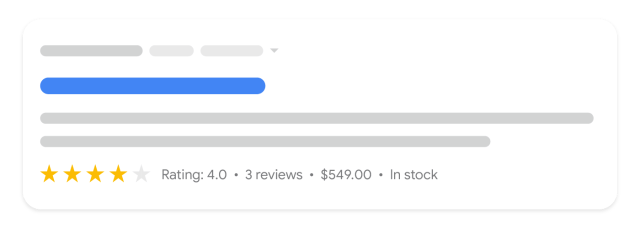
Google supports product search features that can show details such as price and availability. Its product structured data documentation describes the relevant requirements; providing markup creates eligibility, not a promise that a particular feature will appear.
Official Google result illustration
Our review starts with the source of each product fact. If a sale price changes in the store but remains outdated elsewhere, another paragraph of category copy will not solve it. We identify which system owns the value and how the update reaches the page and feed.
The same discipline helps AI-assisted product research. Precise, current information gives a search system and a shopper something useful to compare. See our US AI SEO services for the broader approach to accessible content and answer visibility.
A practical implementation plan
Prioritize by demand, stock and business value
We start with the products you can actually sell and the categories you want to grow. A high-volume term is not automatically a good target if the assortment is thin, supply is unreliable or the economics do not support the work.
- 01Audit a representative sampleReview priority categories, products, variants and mobile journeys.
- 02Choose the right fixesSeparate catalog structure, content and technical dependencies.
- 03Implement in batchesCheck a limited page set before extending template changes.
- 04Review commercial contextCompare outcomes alongside stock, promotions and site changes.
Google’s ecommerce navigation guidance recommends linking through categories to products so crawlers can discover them. We use that principle when reviewing your storefront structure, then account for your platform and assortment.
Catalog-wide changes deserve a careful rollout. A template edit can affect many products, so the scope includes representative checks before a wider release. Elatre’s website development team can handle agreed implementation work alongside content planning.
A merchandising decision, not just an SEO task
Plan for products that change or disappear
| Situation | What the shopper needs | What we review |
|---|---|---|
| Temporarily unavailable | Honest stock status and any reliable return-to-stock information | Keep specifications useful and show appropriate alternatives |
| Permanently replaced | A clear explanation of the suitable replacement | Product equivalence, old links and the destination page |
| No direct replacement | Helpful next choices without implying an exact match | Whether the existing page still serves a useful purpose |
| Seasonal assortment | Accurate availability and relevant category navigation | The timing of content, stock and promotion changes |
We agree these rules with merchandising before making catalog-wide changes. The same policy should guide page content, internal links and product data so a shopper does not receive conflicting answers.
Measurement that reflects the store
Separate a discovery problem from a buying problem
The useful question is not just “Did organic traffic rise?” It is “Which products did it help shoppers discover, and what happened next?”
| Observed pattern | What to investigate | Useful context |
|---|---|---|
| Relevant visits, few product views | Category relevance and navigation | Device, query intent and assortment |
| Product views, few basket additions | Product fit and missing information | Price, stock, options and delivery |
| Orders, weak commercial value | Category mix and purchase quality | Discounts, refunds and available margin data |
| Visibility without visits | Search presentation and query fit | Branded demand and changes in results |
This is a diagnostic framework, not a set of automatic conclusions. For example, a low basket rate may reflect an out-of-stock size rather than weak copy. We compare the evidence before recommending a change.
Reports separate organic search from paid campaigns where measurement allows. AI referrals and observed citations can be reviewed alongside store data, but a citation alone is not a sale. Revenue, refunds and attribution limitations should be visible rather than hidden behind a single growth percentage.
Questions before you start
Practical answers
Should we start with category pages or product pages?
Start with the constraint. Categories may be the priority when shoppers cannot find the right group of products. Product pages may come first when important details are missing. We also consider search demand, stock and the revenue importance of each page set.
Can you work with a large catalog?
We can scope a representative audit and prioritize templates, category groups and data patterns. The proposal identifies how many pages receive individual attention and which changes apply through a reusable template or structured content rule.
Should every filter combination be indexed?
No blanket rule fits every catalog. Some combinations answer a useful search with a meaningful product selection; others create repetitive pages. We review intent, inventory and technical behavior before recommending how each group should be handled.
What happens when a product goes out of stock?
The right response depends on whether it will return, whether there is an equivalent replacement and what the existing page is useful for. We document a policy for temporary stock gaps and permanent discontinuations rather than treating both situations the same way.
Does structured data guarantee rich results or product recommendations?
No. It helps describe eligible product information. Search platforms decide which features to show and which products to recommend. The visible product page and its data must remain accurate.
Do you replace our ecommerce platform?
A platform change is not the default. We first work within the current store and identify its constraints. A migration or substantial rebuild is a separate decision with its own scope and checks.
What do you need to prepare a proposal?
Share your store URL, platform, priority categories, main US customer group and known technical issues. Access to available search and store reports helps define the work. Pricing depends on catalog complexity, content needs and implementation.
Turn product discovery into a stronger buying path
An ecommerce SEO agency should understand the catalog before proposing content. Our ecommerce SEO strategy starts with your products, categories, inventory and customers. Keyword research identifies the searches that fit the assortment, including the long tail keyword a buyer uses when a specific material, size or compatibility detail matters.
Our SEO experts connect page optimization with the shopping experience. Across ecommerce websites, we review whether the page can answer the query, show the relevant selection and support the next decision. The marketing strategy must reflect stock, margins and seasonal demand. We track visibility in search results alongside conversion rate and revenue, so more visits can be evaluated in the context of what the store can actually sell.
For platform changes, our seo migration services map redirects and validate catalog pages before launch.
Make the next step useful
Start with the categories that matter to your store
Share your store, your priority US audience and the product categories you want to grow. We will discuss the gaps in discovery, product information and implementation.
Connect search with the rest of your store
Running Shopify? See our Shopify SEO services for store-specific implementation. Our ecommerce marketing services connect organic search with paid campaigns, email and conversion work.
Our Brooklyn ecommerce case study describes a multichannel engagement, including the work around a Shopify store.