
Imagine your IT infrastructure as a complex machine with thousands of moving parts. Each part has a specific configuration, and minor inconsistencies can cause malfunctions. This is where configuration management (CM) comes in – ensuring all your systems and applications are set up and running identically across your environments.
Configuration Management: Why It Matters
Consistent configurations lead to efficient and reliable IT operations as a well-oiled machine runs smoothly. Here’s why CM is crucial:
- Reduced Errors: Manual configuration is prone to human error. CM automates the process, eliminating inconsistencies and typos.
- Improved Efficiency: Imagine manually replicating configurations across hundreds of servers. CM tools streamline deployment and configuration changes.
- Enhanced Security: Uncontrolled configurations can create security vulnerabilities. CM ensures systems adhere to security policies.
- Simplified Troubleshooting: Identical configurations make identifying the root cause of issues when problems arise easier.
- Faster Rollbacks: If a new configuration introduces problems, CM allows you to revert to a previous stable state quickly.
Core Principles of Effective Configuration Management
Now that we understand the importance of CM, let’s delve into its core principles:
- Infrastructure as Code (IaC): Treat infrastructure configurations as code (like Python or Bash scripts). This enables version control, collaboration, and automated deployments.
- Centralized Management: Use a central repository to store and manage all configurations. This provides a single source of truth for your entire IT environment.
- Version Control: Track changes to configurations, allowing you to revert to previous versions if necessary.
- Automation: Automate configuration deployments and updates whenever possible. This minimizes human error and improves speed.
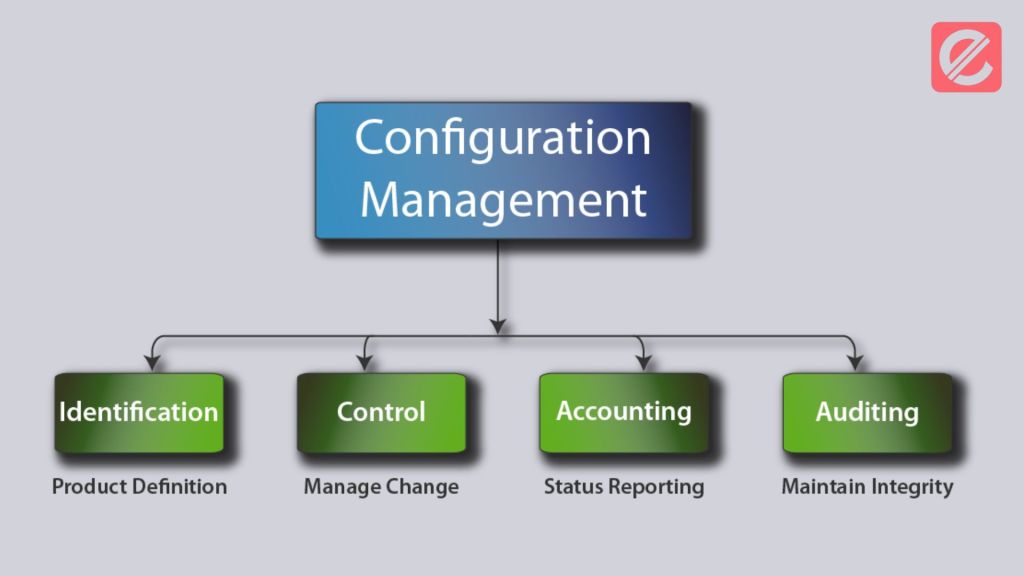
- Auditing and Compliance: Maintain audit logs to track configuration changes and ensure compliance with security standards.
Choosing the Right Configuration Management Tools
Many CM tools are available, each with its strengths and weaknesses. Here are some factors to consider when making your choice:
- The complexity of your IT Environment: Simple environments may require essential tools, while complex ones might need advanced features.
- Scalability: Consider your future growth and choose a tool that can scale with your needs.
- Budget: Open-source tools are available, while some commercial solutions offer additional features and support.
- Ease of Use: The tool should be user-friendly and integrate well with existing workflows.
- Security Features: Ensure the tool offers robust security features to protect sensitive configurations.
Implementing Configuration Management: A Step-by-Step Guide
Here’s a step-by-step guide to implementing CM in your organization:
- Define Your Scope: Identify the systems and applications you want to manage under CM.
- Choose the Right Tools: Evaluate tools based on your specific requirements and budget.
- Develop a CM Strategy: Establish policies and procedures for managing configurations.
- Inventory Your Infrastructure: Create a detailed inventory of all your IT assets.
- Document Existing Configurations: Capture the current state of your systems’ configurations.
- Standardize Configurations: Define baseline configurations for each type of system.
- Automate Deployments and Updates: Use CM tools to automate configuration deployment and updates.
- Implement Version Control: Enable version control for all configuration files.
- Establish Change Management Processes: Define a straightforward process for approving and implementing configuration changes.
- Monitor and Audit: Continuously monitor your configurations and maintain audit logs.
Continuous Improvement: Best Practices for Long-Term Success
Successful CM isn’t a one-time event; it’s an ongoing process. The following are some top techniques for continuing development:
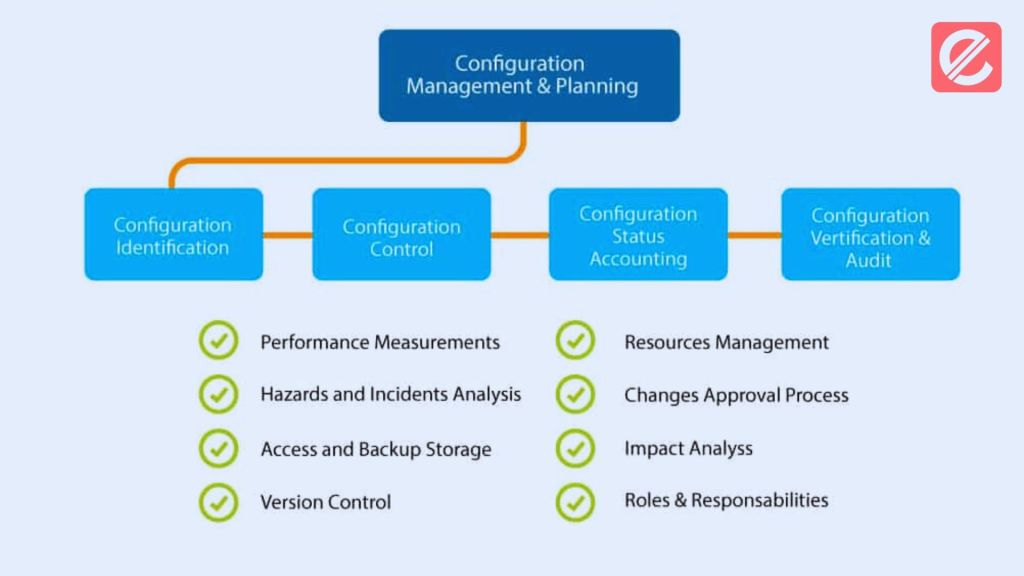
- Regularly Review and Update CM Policies: Adapt your CM strategy as your IT environment evolves.
- Invest in Training: Educate your team on CM best practices and the chosen tools.
- Promote a Culture of Collaboration: Encourage cross-team collaboration to ensure configuration consistency.
- Conduct Regular Audits: Periodically audit configurations to ensure compliance with policies.
- Stay Updated on New Technologies: Evaluate new CM tools and methodologies to improve efficiency.
Configuration Management for Different IT Environments
This section can delve deeper into how CM practices adapt to various IT environments:
- On-premises Infrastructure: Discuss best practices for managing configurations of physical servers, network devices, and applications deployed on-site.
- Cloud Environments: Examine the CM factors for cloud-based deployments, such as IaaS, PaaS, and SaaS.
- Hybrid Environments: Address the challenges and best practices for managing configurations in a hybrid environment that combines on-premises and cloud resources.
By outlining how CM adapts to these different environments, you provide valuable insights for readers with diverse IT setups.
Common Configuration Management Challenges and Solutions
This section can address real-world challenges organizations face with CM and offer solutions:
- Managing Configuration Drift: Discuss how configurations can deviate from the desired state over time and explore strategies for maintaining consistency (e.g., configuration drift detection tools).
- Integrating CM with DevOps: Highlight the importance of integrating CM tools and processes with DevOps workflows for continuous delivery and infrastructure automation.
- Security Considerations in CM: Address security concerns related to configuration management, such as access control to configuration files and vulnerability management.
By tackling these common challenges, you demonstrate a well-rounded understanding of CM complexities and how to address them effectively.
Configuration Management in the Age of Automation and Cloud

This section can explore how CM practices evolve alongside advancements in IT automation and cloud adoption:
- Infrastructure as Code (IaC) and Automation: Discuss how IaC principles and automation tools can be leveraged within CM to streamline configuration deployments and reduce manual errors.
- Cloud-Native Configuration Management: Address the unique considerations and best practices for managing configurations in highly dynamic cloud environments, like leveraging cloud-native CM tools.
- The Rise of Infrastructure Orchestration: Explore how configuration management integrates with infrastructure orchestration tools to automate complex deployments and ongoing infrastructure management.
Taming the IT Beast with Confidence
Implementing effective configuration management can help you gain control over your IT infrastructure. Consistent configurations lead to improved efficiency, reduced errors, enhanced security, and a more reliable IT environment.
Ready to explore how Elatre, a creative digital marketing agency, can help you implement a robust configuration management strategy? Contact Elatre today to discuss how we can help you unlock configuration management’s full potential!