
Imagine you’re writing the next great American novel. You’re pouring your heart and soul into each paragraph, crafting the perfect sentences to tell your story. But disaster strikes! Your computer crashes and all your progress is lost. Devastating, right? Version control helps prevent this scenario for novelists and anyone who works with digital files that change over time—writers, designers, programmers, and more. Said version control is a mechanism that records when your files have been modified and lets you roll back to earlier versions if necessary. It’s like having a magic “undo” button for your digital life, ensuring you never lose important work.
What is Version Control?
A Version Control System (VCS) is a central repository for all your project files. It keeps a detailed history of every change made, who made it, and when. This allows you to:
- Track progress: See how your project evolved, visualizing the decisions and iterations that led to the final product.
- Revert to previous versions: Did you accidentally delete a crucial code section? No problem! You can quickly revert to an earlier, functional version using version control.
- Collaborate seamlessly: When individuals collaborate on a single project, they do not need to worry about accidentally overwriting each other’s work. Version control helps keep disagreements to a minimum by keeping all versions in sync.
- Maintain a clean codebase: Version control helps avoid messy file structures with numerous duplicate versions. It keeps your project organized and easy to navigate.
Different Types of Version Control Systems
There are essentially two types of version control systems:

- Centralized Version Control Systems (CVSs): These systems store all your project files and history on a central server. Think of it like a physical library with a single copy of each book. Popular CVSs include Subversion (SVN) and Perforce.
- Distributed Version Control Systems (DVCSs): With DVCSs, every team member has a complete copy of the project history on their local machine. This makes them more flexible and resilient, especially when working offline or without a central server. Git, the most popular VCS today, is a DVCS.
Why Use Version Control?
Here are some compelling reasons why version control is essential for any project, big or small:
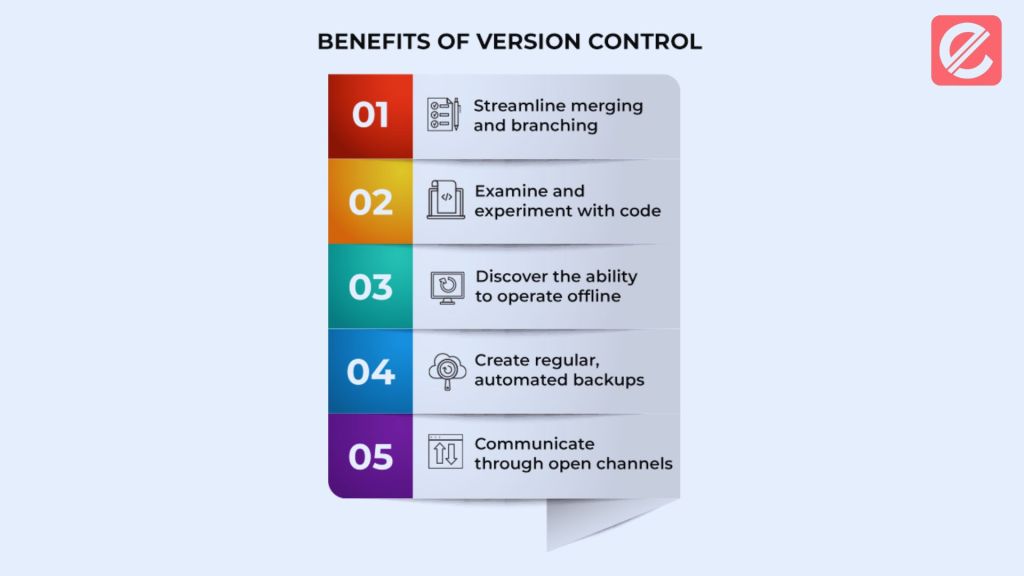
- Improved Collaboration: Version control fosters a smooth collaborative workflow. Team members can work on separate aspects of the project simultaneously without worrying that their edits will merge. Version control promotes better communication, as team members can see who made what changes and why.
- Enhanced Productivity: Version control saves time and frustration. Imagine the wasted hours spent searching for a file’s “right” version or painstakingly recreating lost work. Version control eliminates this problem, allowing you to focus on moving your project forward.
- Peace of Mind: With version control, you have a safety net. Knowing you can always revert to a previous version if something goes wrong provides immense peace of mind. This allows you to experiment and take risks without fear of permanent damage.
- Better Project Management: Version control offers valuable insights into project history. You can see which changes were most impactful, identify areas requiring many revisions, and track individual contributions. This data can be used to improve project management practices and make better decisions in the future.

Getting Started with Version Control
The most popular VCS today is Git. While it has a learning curve, numerous resources are available to help you get started. There are online tutorials, interactive courses, and a supportive developer community.
Here are some initial steps to get you on your way:
- Choose a Version Control Platform: Popular Git hosting platforms include GitHub, GitLab, and Bitbucket. These services make it easy to manage your Git repositories and work with others using an intuitive interface.
- Install Git: Download and install Git on your local machine.
- Learn Basic Git Commands: Start with fundamental commands like init, clone, add, commit, and push. These commands allow you to start a new repository, clone an existing one, add changes to be tracked, create progress snapshots, and make local changes to a remote server.
Branching and Merging in Version Control
Branching is a powerful feature in version control that allows you to create temporary copies of your main codebase (usually called the “master branch”). This lets you work on new features or bug fixes without affecting the current stable version. Once you’re happy with your changes on the branch, you can merge them back into the main codebase.
Here’s a breakdown of the branching workflow:
- Create a Branch: Isolate your changes by creating a new branch from the main codebase.
- Develop on the Branch: Work on your new feature or bug fix on the branch without affecting the main code.
- Test and Refine: Thoroughly test your changes on the branch to ensure they function correctly.
- Merge Back to Main: Once satisfied, merge your branch into the main codebase, integrating your changes.
Branching promotes a safe and efficient development workflow, especially when working in teams. It facilitates parallel development and reduces the likelihood of errors entering the main codebase.
Choosing the Best VCS Depends On Your Project
- Smaller Teams & Legacy Projects: Centralized VCS (CVS) might be sufficient. (e.g. Subversion)
- More prominent Teams & Open Source: Distributed VCS (DVCS) like Git is ideal for flexibility and collaboration.
- Security Focus: Some CVS offer strong permission controls.
When deciding, consider factors like team size, project type, and technical expertise.
Choosing the Right Version Control System for You
Version control is an invaluable tool for anyone who works with digital files. It safeguards your work, streamlines collaboration, and provides valuable historical data. By embracing version control, you can work smarter, not more complex, and ensure your projects reach their full potential.
Ready to explore the power of version control and elevate your digital workflow? Elatre, a leading creative digital marketing company, can help! We offer expert guidance on implementing version control systems and maximizing their benefits for your needs. Contact us today to learn more!