
Imagine your business as a medieval castle. Just as a strong castle deterred invaders and protected its treasures, robust data security safeguards your company’s most valuable assets – its information. In today’s digital age, where cyberattacks are a constant threat, prioritizing data security is no longer optional; it’s fundamental for business success.
Data Security: The Cornerstone of Trust
Data security encompasses the policies, procedures, and technologies employed to protect your company’s information from unauthorized access, use, disclosure, disruption, modification, or destruction. This data can include everything from customer records and financial information to intellectual property and internal communications.
A data breach, where sensitive information falls into the wrong hands, can have devastating consequences. It can lead to:
- Financial losses: Companies can incur significant costs to investigate and contain a breach, notify affected individuals, and potentially face hefty fines depending on the type of data compromised.
- Reputational damage: Customer trust is hard-earned and quickly shattered. Customer attrition and long-term reputational harm from a data breach may devastate any organization.
- Legal repercussions: Regulations about data privacy are getting stricter, and breaking them can have serious consequences.
Building a Strong Data Security Posture: Essential Practices
Fortunately, there are steps you can take to fortify your digital walls and prevent a data breach. Here are some essential data security practices to consider:
Implement Strong Passwords and Access Controls
- Unique and complex passwords: Implement stringent password restrictions requiring workers to utilize a mix of capital and lowercase characters, digits, and symbols. Urge them only to use the same password on one account.
- Multi-factor authentication (MFA): Every time someone tries to log in, you should make it even more difficult by asking for additional verification information, like a code sent to a mobile device.
- Least privilege access control: Grant users access only to the information they need to perform their jobs. Avoid giving everyone access to all data.
Secure Your Devices and Networks
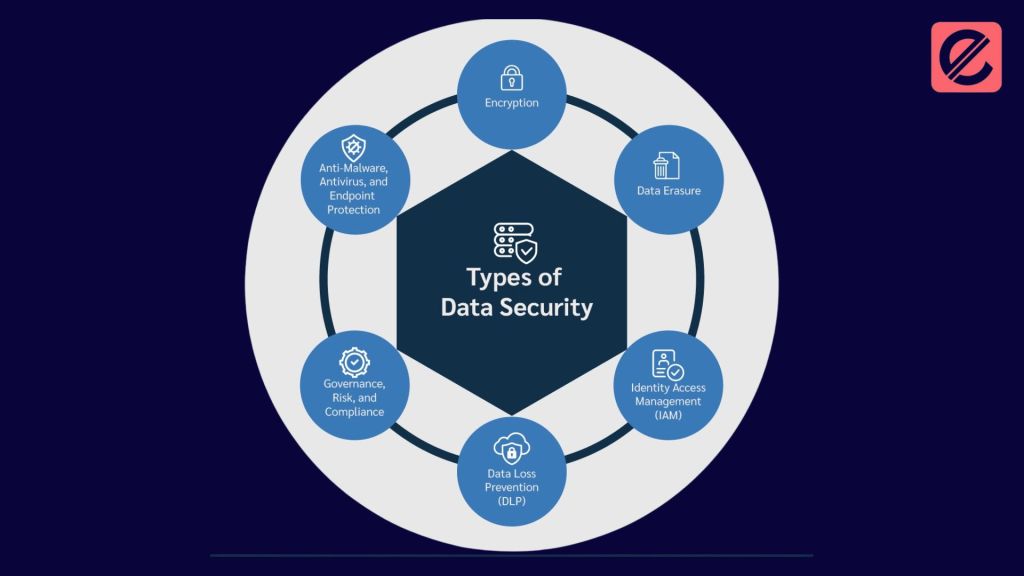
- Encryption: Encrypt critical information while it’s in transit and at rest. Because of this, data cannot be read even if unauthorized parties intercept it.
- Firewalls and Intrusion Detection Systems (IDS): Install intrusion detection and prevention systems (IDS) to find and stop suspicious activity on your network. Use firewalls to filter incoming and outgoing data.
- Regular software updates: Ensure your devices’ firmware and software are updated with the newest security fixes. Hackers can take advantage of flaws in outdated software.
Educate Your Employees
- Security awareness training: Your employees need consistent cybersecurity training emphasizing the significance of reporting suspicious activity, building solid passwords, and recognizing phishing emails.
- Social engineering awareness: Social engineering techniques are widely used in hacks to deceive workers into disclosing private information. Teach your staff to check requests before acting and to avoid responding to unsolicited emails, calls, or texts.
Incident Response Planning
Despite your best efforts, a cyberattack may still occur. An apparent incident response plan must be in place to reduce damage and guarantee a quick recovery.
Your plan should outline the steps to take in the event of a breach, including:
- Who to notify: Identify key personnel who need to be informed in case of a security incident.
- Data recovery procedures: Have a plan for restoring lost or compromised data.
- Customer communication strategy: Develop a clear communication strategy for notifying affected customers during a data breach.
Data Security and Compliance: Navigating the Regulatory Landscape
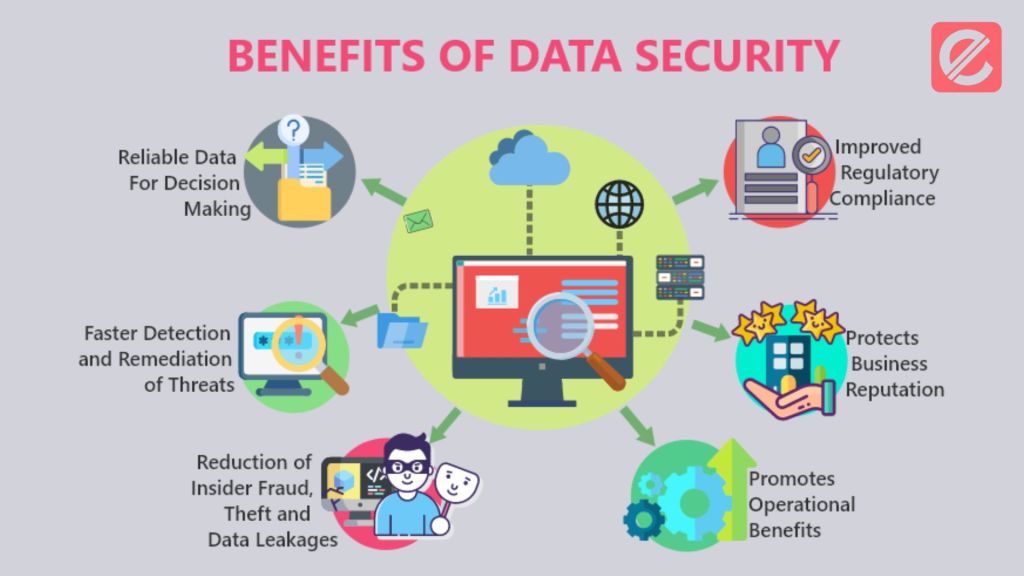
Data security isn’t just about protecting your business; it’s also about complying with a growing body of regulations. Data privacy rules, including the General Data Protection Regulation (GDPR), may impose obligations on you based on location and profession. Comprehending these rules and implementing the proper safeguards to prevent heavy penalties and legal ramifications is essential.
The Cost of Inaction: Why Data Security is an Investment, Not an Expense
While data security requires an investment in resources and technology, the cost of inaction can be far more significant. T e financial losses, reputational damage, and legal consequences of a data breach can cripple a business. On the other hand, putting data security first enhances your brand’s reputation, fosters trust with partners and consumers and frees you up to concentrate on expansion and innovation.
Data Security and the Cloud: Embracing the Cloud While Mitigating Risks
Cloud computing offers numerous benefits for businesses, from increased flexibility and scalability to cost savings. However, migrating sensitive data to the cloud introduces new security considerations. Here are some key points to remember when securing your data in the cloud:
- Choose a reputable cloud provider: Pick a cloud service provider with a solid reputation for compliance and security.
- Data encryption: Ensure the cloud environment encrypts your data in transit and at rest.
- Access controls: Implement robust access controls to restrict access to your data in the cloud.
- Shared responsibility model: Recognize the shared responsibility approach for data security that applies to you and your cloud provider.
Data Security: An Ongoing Process
Data security is a continuous process that needs continual attention and modification; it is not a one-time fix. Your security measures should also adapt to the latest cyber threats. Frequent security audits can assist in locating weak points in your defenses so you can fix them before they become an issue.
Build a Secure Digital Future with Elatre. Data security doesn’t have to be complicated. A leading creative digital marketing company, Elatre, offers a full range of data security services to help businesses of all sizes secure their data. Our specialists can help you create a data security plan, install industry-leading security solutions, and train your staff. Contact Elatre today to see how we can help your organization secure its data and digital future.