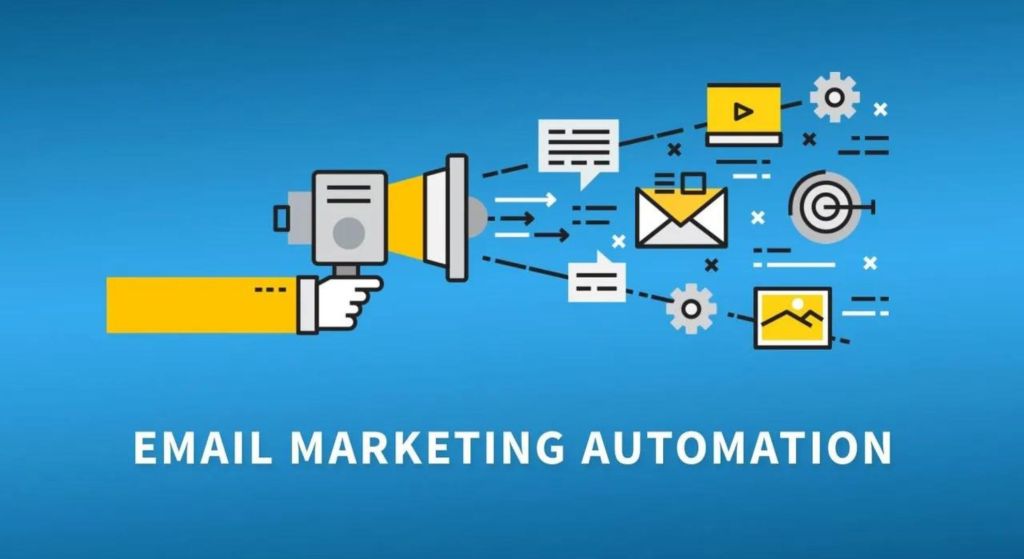
Efficiency is essential in the fast-paced environment of modern business. Email automation has become a beneficial technology that simplifies communication procedures and revolutionizes workflows. This thorough guide will delve into the intricacies of email automation, examining its advantages, methods of deployment, and potential to revolutionize your daily operations.
Understanding Email Automation
Email automation is not just about sending emails automatically; it’s a strategic approach to managing and optimizing your communication channels. Fundamentally, it’s about automating the distribution of relevant content to a specific audience at predetermined intervals via technology. This level of automation goes beyond just scheduling emails; it encompasses personalized content delivery, audience segmentation, and response tracking.
The Benefits of Email Automation
Time Efficiency
One of the primary advantages of email automation is time efficiency. Automating routine chores allows your staff to concentrate on more strategic areas of business operations, such as sending follow-up messages, newsletters, and welcome emails. This time-saving aspect enhances productivity and allows your workforce to tackle more value-driven tasks.
Personalization at Scale
Email automation enables personalization at scale. Instead of sending generic messages to your entire email list, you can tailor content based on user behavior, preferences, or demographics. Stronger ties with your audience are cultivated by this degree of personalization, which raises the possibility of engagement and conversions.

Improved Lead Nurturing
Nurturing leads is critical to any business, and email automation is pivotal. By delivering relevant content based on where leads are in the sales funnel, you can seamlessly guide them through the buyer’s journey. Automated drip campaigns triggered by specific actions ensure that leads receive timely and targeted information.
Enhanced Analytics and Reporting
Email automation tools provide detailed analytics and reporting features. Track open rates, click-through rates, and conversion metrics to gain insights into the effectiveness of your campaigns—improve future campaigns’ performance by refining your strategies using a data-driven strategy.
Consistent Communication
Maintaining consistent communication is essential for building brand awareness and trust. Email automation ensures your audience receives timely updates, promotions, and information, fostering a continuous connection. Consistency in communication strengthens your brand presence in the minds of your audience.
Email Automation Best Practices
- This section outlines specific best practices for maximizing the effectiveness of email automation. Topics can include crafting compelling subject lines, optimizing email design for different devices, setting up effective drip campaigns, managing subscriber preferences, and ensuring regulatory compliance (such as GDPR or CAN-SPAM).
Measuring Email Automation Success
- This topic can focus on the metrics and key performance indicators (KPIs) that businesses should track to evaluate the success of their email automation efforts. Discuss metrics like open rates, click-through rates, conversion rates, engagement metrics (such as time spent reading emails or interacting with content), and ROI. Additionally, explore using A/B testing and analytics tools to iterate and improve automation strategies over time.
Implementing Email Automation
Choose the Right Email Automation Tool
Making the appropriate choice in email automation software is an essential first step. Consider factors including compatibility with your present systems, scalability, ease of use, and feature availability. Popular choices include Mailchimp, HubSpot, and ActiveCampaign, catering to different business needs.
Define Your Goals and Objectives
Before diving into email automation, clearly define your goals and objectives. Whether increasing sales, nurturing leads, or improving customer engagement, having a well-defined strategy will guide your automation efforts. To ensure reliable measurement of achievement, align your goals with key performance indicators (KPIs).
Segment Your Audience
Segmentation is the cornerstone of effective email automation. Segment your audience according to their choices, behavior, or demographics to deliver highly tailored information. This ensures that each segment receives messages tailored to their specific needs, increasing the relevance and impact of your campaigns.
Create Engaging Content
Compelling content is the soul of successful email campaigns. Craft emails that resonate with your audience, addressing their pain points and providing valuable solutions. Use A/B testing to experiment with elements like subject lines, visuals, and calls to action to optimize content for maximum impact.

Set Up Automated Workflows
Design automated workflows that align with your customer’s journey. Map out the emails a user will receive based on their interactions with your brand. Automated workflows ensure consistent and timely communication, whether onboarding sequences, abandoned cart reminders, or post-purchase follow-ups.
Overcoming Challenges in Email Automation
Avoiding Over-automation
Automation can be handy, but using it excessively might cause a rift with your audience. Don’t send too many emails or unrelated material to your subscribers. To ensure your message stays authentic and connects with your audience, balance automation and keeping a human touch.
Monitoring and Adjusting Campaigns
Successful email automation requires continuous monitoring and adjustment. Pay careful attention to performance metrics, and be prepared to modify your action plan in light of new information. Regularly review your automated workflows, update content, and tweak settings to optimize for changing market conditions or customer behaviors.
Ensuring Data Accuracy
Email automation relies heavily on accurate data. Ensure that your customer data is up-to-date and segmented correctly. Make sure to purge inactive or irrelevant subscribers from your email lists regularly. Accurate data enhances the effectiveness of your campaigns and prevents potential issues, such as sending emails to the wrong audience.
Advanced Strategies for Email Automation Success
Adopting advanced strategies can take your campaigns to new heights as you delve deeper into email automation. Let’s explore some key tactics that can amplify the impact of your automated workflows.
Dynamic Content Personalization
Move beyond essential personalization by incorporating dynamic content into your emails. Utilize subscriber data to dynamically change the email content based on individual preferences, behaviors, or demographics. Whether showcasing personalized product recommendations or tailoring promotional offers, dynamic content personalization enhances engagement by providing a more tailored and relevant experience.
Behavior-Based Triggers
Implementing behavior-based triggers allows you to respond dynamically to your subscribers’ actions. Set up triggers based on specific interactions, such as website visits, clicks, or downloads. For example, send a follow-up email with extra details or a special offer about a product to the subscriber who clicked on it. By taking the initiative, you can ensure that your communications are timely and relevant to your audience.
Integration with CRM Systems
Maximize the impact of your email automation by integrating it seamlessly with your Customer Relationship Management (CRM) system. This integration makes a consolidated view of client contacts possible, facilitating more intelligent and tailored communication. Syncing data between your email automation tool and CRM ensures that your team comprehensively understands each customer, enabling more targeted and effective campaigns.

Predictive Analytics for Smart Segmentation
Take segmentation to the next level with predictive analytics. Leverage data-driven insights to anticipate customer behavior and preferences. By analyzing past interactions and engagement patterns, you can create segments more predictive of future actions. This forward-thinking approach allows you to deliver highly targeted content even before explicit actions occur, enhancing the relevance and effectiveness of your campaigns.
Email automation is revolutionary for companies, improving communication effectiveness and optimizing their processes. From time-saving benefits to personalized content delivery, the advantages are abundant. Implementing email automation requires careful planning, the right tools, and a commitment to ongoing refinement. By overcoming challenges and leveraging the power of automation, your business can stay ahead in the competitive landscape, building stronger connections with your audience and driving measurable results. Ready to revolutionize your workflow with email automation? Explore the possibilities with elatrus.wpcomstaging.com – your partner in streamlined communication. Learn more about how our advanced tools can transform your business. Visit elatrus.wpcomstaging.com today.
FAQ’s
1. What is email automation?
The term “email automation” refers to the use of technological tools to coordinate the sending of emails to specific recipients in response to events that have been pre-planned. It eliminates the need for manual intervention in sending routine emails, such as welcome messages, follow-ups, or promotional campaigns.
2. How does email automation benefit businesses?
Email automation offers several benefits to businesses, including increased efficiency, improved targeting, engagement, and time-saving. By automating repetitive tasks, companies can ensure timely and personalized communication with their audience, leading to higher conversion rates and customer satisfaction.