Connecting with Your Customers: The Importance of Audience Analysis

Elatre Best Performance Marketing Agency  Imagine Trying to Talk to Everyone at Once in a Busy Room It Would Be Loud Confusing and Ultimately Ineffective Reaching Your Target Audience is Similar Your Message Will Get Lost in the Noise Unless You Understand Who They Are and What They Want This is Where Audience Analysis Comes In What is Audience Analysis an Audience Analysis Gathers Information About Your Target Audience to Understand Their Demographics Behaviors Needs and Preferences You Can Modify Your Marketing Messages Content and Overall Approach to More Deeply Connect with Your Audience by Conducting an Audience Analysis Think of It Like This Your Ability to Anticipate Their Queries Respond to Their Worries and Eventually Win Them over As Devoted Clients Will Improve with Your Understanding of Your Audience Why is Audience Analysis Important There Are Several Reasons Why Audience Analysis is Crucial for Any Business Increased Engagement when Your Content Speaks Directly to Your Audiences Needs and Interests Theyre More Likely to Pay Attention Engage with Your Brand and Share Your Content Improved Conversion Rates by Understanding Your Audiences Pain Points and Motivations You Can Craft Targeted Messages That Resonate with Them and Drive Conversions Reduced Marketing Waste Audience Analysis Helps You Identify the Channels to Reach Your Target Audience As a Result You May Concentrate Your Marketing Efforts and Save Money by Not Using Inefficient Channels Enhanced Brand Loyalty when Consistently Delivering Relevant and Valuable Content and Messaging to Your Audience You Build Trust and Loyalty How to Conduct an Audience Analysis There Are Several Methods You Can Use to Conduct an Audience Analysis Here Are a Few Key Steps 1 Define Your Target Audience Think About Your Ideal Client to Begin With Take into Account Variables Such As Psychographics interests Values Lifestyles Online Activity websites Visited Social Media Platforms Used and Demographics age Gender Geography Income 2 Gather Data Once You Have a General Idea of Your Target Audience Its Time to Gather Data Here Are Some Resources You Can Use Website Analytics by Utilizing Google Analytics and Other Similar Technologies You Will Gain a Significant Amount of Knowledge Regarding the Demographics Interests and Behaviors of the People Who Visit Your Website Social Media Analytics the Analytics Included with Most Social Media Platforms May Teach You Much About Your Audience and How They Engage with Your Content Surveys and Polls to Learn More About the Requirements Preferences and Difficulties of Your Audience Conduct Surveys and Polls Customer Reviews and Testimonials Analyze Customer Reviews and Testimonials to Understand What Your Audience Likes and Dislikes About Your Brand or Product 3 Analyze the Data Once Youve Gathered Your Data Its Time to Analyze It and Identify Critical Trends Look for Patterns in Demographics Interests and Online Behavior This Will Help You Create a Clear Picture of Your Ideal Customer 4 Develop Buyer Personas a Semi fictional Depiction of Your Ideal Client is Called a Buyer Persona It Should Include Details About Their Demographics Psychographics Online Behavior Goals Challenges and Preferred Communication Channels You May Better Understand Your Audience and Adjust Your Marketing Strategies by Developing Buyer Personas the Power of Audience Targeting Once Youve Segmented Your Audience You Can Leverage This Information to Create Targeted Marketing Campaigns Targeted Marketing Allows You to Deliver Personalized Messages That Resonate with Each Audience Segments Needs and Interests This Can Significantly Improve Your Campaign Performance and Increase Engagement and Conversion Rates for Example Imagine Youre a Company That Sells Fitness Trackers You Might Segment Your Audience by Fitness Level beginner Intermediate Advanced and then Create Targeted Marketing Campaigns for Each Segment Beginner Your Message Might Focus on the Ease of Use of Your Fitness Tracker and the Benefits of Tracking Basic Activity Levels Intermediate You Might Highlight Features That Help Users Track Specific Workouts and Set Personalized Goals Advanced Your Message Could Include Advanced Features Like Gps Tracking and Heart Rate Monitoring by Tailoring Your Marketing Messages to Each Audience Segment Youre More Likely to Capture Their Attention and Convert Them into Paying Customers the Ongoing Process of Audience Analysis Audience Analysis is Not a One time Thing Consumer Preferences and Behaviors Constantly Evolve So Keeping Your Audience Analysis Up to date is Essential Here Are a Few Tips Keep a Close Eye on Your Social Media and Website Analytics This Will Assist You in Recognizing Any Shifts in the Characteristics Passions or Actions of Your Audience Conduct Surveys and Polls Regularly This Will Give You Direct Feedback from Your Audience About Their Changing Needs and Preferences Stay Up to date on Industry Trends Pay Attention to Whats Happening in Your Industry and How It Might Impact Your Target Audience Use Social Listening Tools to Monitor Internet Discussions About Your Company the Market and Rivals This Helps You Determine New Trends and Subjects Your Audience Will Find Interesting the Power of Audience Analysis in Todays Competitive Marketplace Understanding Your Audience is No Longer Optionalits Essential Extensive Audience Research Can Yield Insightful Information That Will Assist You in Crafting Marketing Campaigns That Are Specifically Targeted Produce Content of the Highest Caliber and Eventually Forge Closer Bonds with Your Clients Ready to Take Your Audience and Lysis to the Next Level Elatre a Creative Digital Marketing Agency Can Help from Identifying Your Ideal Customers to Creating Buyer Personas and Composing Hyper specific Marketing Copy Our Specialists Are Here to Help Contact Elatre Today to Learn How We Can Help You Connect with Your Audience and Achieve Your Marketing Goals

Imagine trying to talk to everyone at once in a busy room. It would be loud, confusing, and ultimately ineffective. Reaching your target audience is similar. Your message will get lost in the noise unless you understand who they are and what they want. This is where audience analysis comes in.

What is Audience Analysis?

An audience analysis gathers information about your target audience to understand their demographics, behaviors, needs, and preferences. You can modify your marketing messages, content, and overall approach to more deeply connect with your audience by conducting an audience analysis.

Think of it like this: Your ability to anticipate their queries, respond to their worries, and eventually win them over as devoted clients will improve with your understanding of your audience.

Why is Audience Analysis Important?

There are several reasons why audience analysis is crucial for any business:

  • Increased Engagement: When your content speaks directly to your audience’s needs and interests, they’re more likely to pay attention, engage with your brand, and share your content.
  • Improved Conversion Rates: By understanding your audience’s pain points and motivations, you can craft targeted messages that resonate with them and drive conversions.
  • Reduced Marketing Waste: Audience analysis helps you identify the channels to reach your target audience. As a result, you may concentrate your marketing efforts and save money by not using inefficient channels.
  • Enhanced Brand Loyalty: When consistently delivering relevant and valuable content and messaging to your audience, you build trust and loyalty.

How to Conduct an Audience Analysis

The importance of audience analysis

There are several methods you can use to conduct an audience analysis. Here are a few key steps:

1. Define Your Target Audience

Think about your ideal client to begin with. Take into account variables such as psychographics (interests, values, lifestyles), online activity (websites visited, social media platforms used), and demographics (age, gender, geography, income).

2. Gather Data

Once you have a general idea of your target audience, it’s time to gather data. Here are some resources you can use:

  • Website Analytics: By utilizing Google Analytics and other similar technologies, you will gain a significant amount of knowledge regarding the demographics, interests, and behaviors of the people who visit your website.      
  • Social Media Analytics: The analytics included with most social media platforms may teach you much about your audience and how they engage with your content.  
  • Surveys and Polls: To learn more about the requirements, preferences, and difficulties of your audience, conduct surveys and polls.
  • Customer Reviews and Testimonials: Analyze customer reviews and testimonials to understand what your audience likes and dislikes about your brand or product.

3. Analyze the Data

Once you’ve gathered your data, it’s time to analyze it and identify critical trends. Look for patterns in demographics, interests, and online behavior. This will help you create a clear picture of your ideal customer.

4. Develop Buyer Personas

A semi-fictional depiction of your ideal client is called a buyer persona. It should include details about their demographics, psychographics, online behavior, goals, challenges, and preferred communication channels.

You may better understand your audience and adjust your marketing strategies by developing buyer personas.
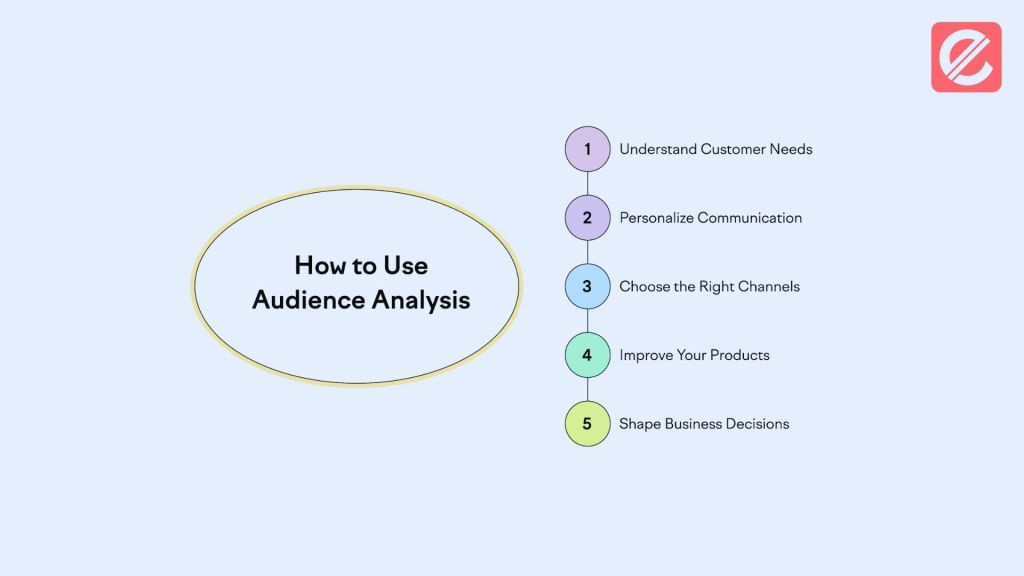
Mastering audience analysis techniques

The Power of Audience Targeting

Once you’ve segmented your audience, you can leverage this information to create targeted marketing campaigns. Targeted marketing allows you to deliver personalized messages that resonate with each audience segment’s needs and interests. This can significantly improve your campaign performance and increase engagement and conversion rates.

For example, imagine you’re a company that sells fitness trackers. You might segment your audience by fitness level (beginner, intermediate, advanced) and then create targeted marketing campaigns for each segment.

  • Beginner: Your message might focus on the ease of use of your fitness tracker and the benefits of tracking basic activity levels.
  • Intermediate: You might highlight features that help users track specific workouts and set personalized goals.
  • Advanced: Your message could include advanced features like GPS tracking and heart rate monitoring.

By tailoring your marketing messages to each audience segment, you’re more likely to capture their attention and convert them into paying customers.

The Ongoing Process of Audience Analysis

Audience analysis is not a one-time thing. Consumer preferences and behaviors constantly evolve, so keeping your audience analysis up-to-date is essential. Here are a few tips:

  • Keep a close eye on your social media and website analytics: This will assist you in recognizing any shifts in the characteristics, passions, or actions of your audience.
  • Conduct surveys and polls regularly: This will give you direct feedback from your audience about their changing needs and preferences.
  • Stay up-to-date on industry trends: Pay attention to what’s happening in your industry and how it might impact your target audience.
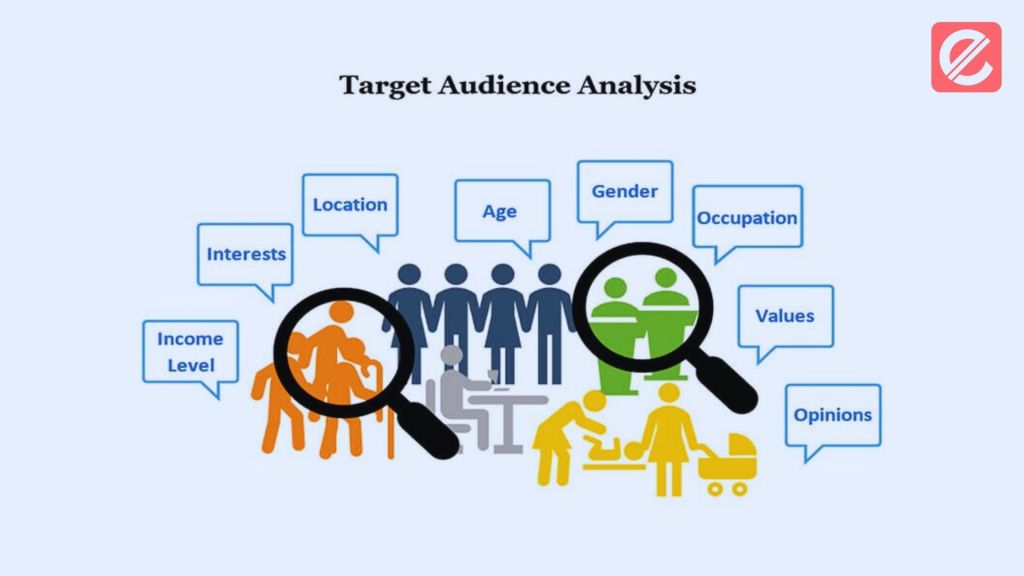
Conducting effective audience analysis
  • Use social listening tools: To monitor internet discussions about your company, the market, and rivals. This helps you determine new trends and subjects your audience will find interesting.

The Power of Audience Analysis

In today’s competitive marketplace, understanding your audience is no longer optional—it’s essential. Extensive audience analysis can yield insightful information that will assist you in crafting marketing campaigns that are specifically targeted, produce content of the highest caliber, and eventually forge closer bonds with your clients.

Ready to take your audience and lysis to the next level? Elatre, a creative digital marketing agency, can help. From identifying your ideal customers to creating buyer personas and composing hyper-specific marketing copy, our specialists are here to help. Contact Elatre today to learn how we can help you connect with your audience and achieve your marketing goals.

Share the Post: