
Imagine a packed party. The music is loud, everyone is talking, and it’s hard to catch their attention. Imagine seeing a small group of individuals laughing and enjoying themselves. You arrive and start chatting within minutes. In the crowded party example, everyone is your market. But just like you would only talk to some people at the party, don’t try to reach your whole market with the same message. Key audience segments allow you to personalize your marketing to specific groups, resulting in deeper connections and more sales.
Steps to Take in Order to Define Your Ideal Customer Base
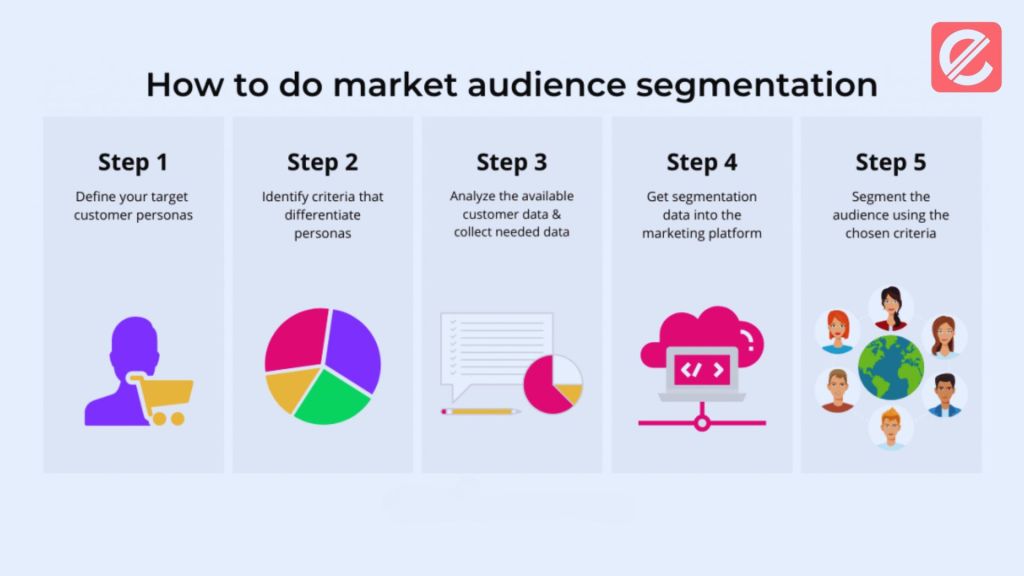
How do you divide your broad audience into these targeted groups? The following is a breakdown of the primary steps involved:
Review Existing Audience Information
You likely already have a wealth of information about your audience, even if you have yet to segment it formally. Here are some places to look:
- Website Analytics: Google Analytics and other similar services can provide you with a wealth of information regarding the demographics, interests, and activity patterns of the people visiting your website.
- Customer Relationship Management (CRM) Systems: Your CRM likely holds a treasure trove of data on your existing customers, including purchase history, demographics, and communication preferences.
- Social Media Analytics: Instagram and Facebook have analytics tools to help you discover more about your followers’ demographics and interests.
Decide Whether Segmentation Makes Sense
Only some businesses need to segment their audience. A broader marketing strategy may be enough if your business or product serves a specific subset of consumers. However, segmentation can be a powerful tool if your target audience is broader. Here are some signs that segmentation might be beneficial:
- You cater to various demands with your assortment of goods and services.
- Your customer base spans diverse demographics or geographic locations.
- You’re noticing different customer behavior patterns.
Determine Segmentation Criteria
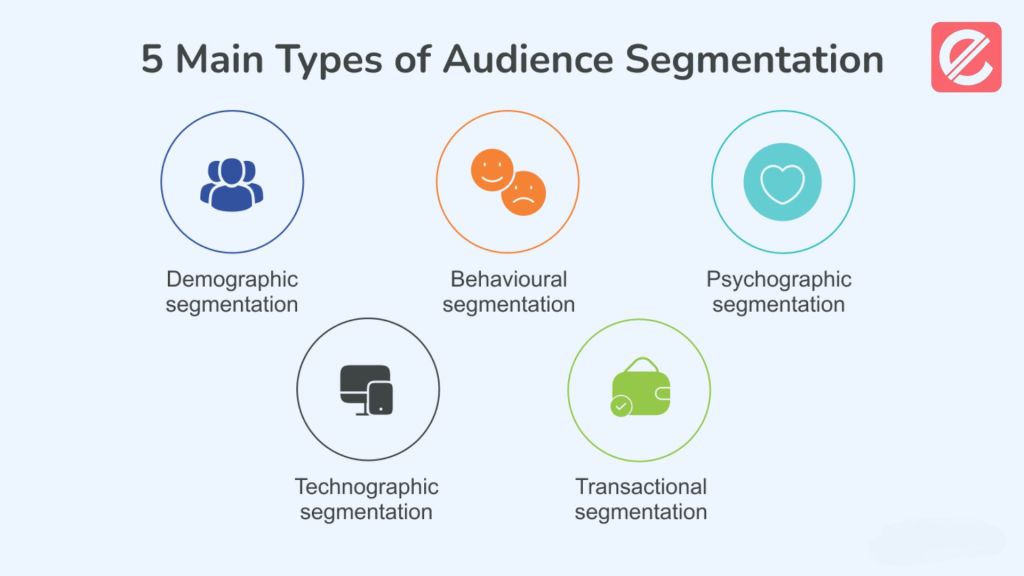
Once you’ve decided to segment, you must choose the criteria to group your audience. Here are the most common segmentation methods:
- Demographics: This includes factors like age, gender, income, education level, and marital status.
- Geographic: This segments your audience based on location, country, region, city, or zip code.
- Behavioral: This focuses on customer actions and interactions, such as purchasing history, website browsing behavior, or social media engagement.
- Psychographic: This considers your audience’s values, interests, lifestyles, and personalities.
Remember, the most effective segmentation will likely use a combination of these criteria.
Analyze Your Data and Identify Segments
Now comes the fun part – putting your data to work! Use the information you’ve gathered from various sources and analyze it based on your chosen segmentation criteria. Look for patterns and trends that emerge.
Here are some questions to ask yourself as you analyze:
- Are there distinct groups with different needs or preferences?
- How do these groups behave differently?
- What are the common characteristics within each group?
By answering these questions, you’ll see your audience segments taking shape.
Develop Audience Profiles
Once you’ve identified your segments, create detailed profiles for each one. These profiles should include:
- Demographic information: Age, gender, income, etc.
- Psychographic information: Values, interests, lifestyles, etc.
- Needs and pain points: What are their challenges, and how can your product or service help?
- Media consumption habits: Where do they get their information?
- Preferred communication channels: Email, social media, etc.
As your profiles get more detailed, you’ll be better able to tailor your marketing messaging to each section.
Refine and Monitor Your Segments
Segmentation is not a one-time exercise. Your segments must be refined as you gather more data and learn more about your audience.
Here are some tips for ongoing monitoring:
- Monitor your marketing initiatives’ effectiveness in various market categories.
- Conduct customer surveys and gather feedback.
- Stay up-to-date on market trends that might impact your audience.
You can monitor and improve your segments anytime to ensure your marketing activities stay applicable and valuable.
Common Audience Segments Mistakes to Avoid
- Over-segmentation: Dividing your audience into too many small segments can be counterproductive. It can make your marketing efforts more complex and less effective.
- Under-segmentation: Not segmenting your audience enough can lead to generic messaging that doesn’t resonate with anyone.
- Relying on outdated data: Your audience constantly evolves, so updating your segmentation criteria based on fresh data is essential.
- Focusing only on demographics: While demographics can be a helpful starting point, they shouldn’t be the only factor you consider when segmenting your audience. Psychographics and behavioral data can provide much richer insights.
Leveraging Audience Segments Across Marketing Channels
- Website Personalization: Adapt the products and content on your website to the various user segments according to how they browse.
- Email Marketing: Send tailored campaigns with messages that speak to the requirements and interests of each segmented email list.
- Social Media Marketing: Create targeted social media content and ad campaigns for each segment based on their preferred platforms and interests.
- Paid Advertising: Use audience segmentation features on advertising platforms to reach the right people with your message.
Examples of Successful Audience Segments in Action
Showcase real-world examples of companies that have leveraged audience segmentation to achieve impressive results. Include details on the segmentation criteria used, the marketing tactics implemented, and the measurable outcomes achieved. This will inspire your readers and demonstrate the effectiveness of audience segmentation practically.
Addressing the Challenge of Limited Data for Segments

Acknowledge that some businesses, particularly startups or those in niche markets, might have limited customer data to work with initially. Offer practical strategies for getting started with audience segmentation even with a smaller data set. This could include suggestions like leveraging website analytics data, conducting surveys with existing customers or targeting lookalike audiences on social media platforms. By addressing this concern, you’ll cater to a broader audience and demonstrate that segmentation is achievable even with limitations.
The Power of Targeted Marketing with Audience Segments
You can transform your marketing efforts by taking the time to identify and understand your key audience segments. You’ll be able to craft targeted messages that resonate with specific groups, leading to higher engagement, stronger brand loyalty, and, ultimately, increased sales.
Are you prepared to harness audience segmentation’s potential for your company? Contact Elatre today and schedule a free consultation to learn how we can help you identify your key audience segments and develop targeted marketing campaigns that drive results.