
Imagine navigating a library without a librarian or a Dewey Decimal System. How would you find the information you need? Traditional search engines operated in this way in the past, relying on exact keyword matches to deliver results. However, how we search for information online is evolving, and semantic search is leading the charge.
What is Semantic Search?
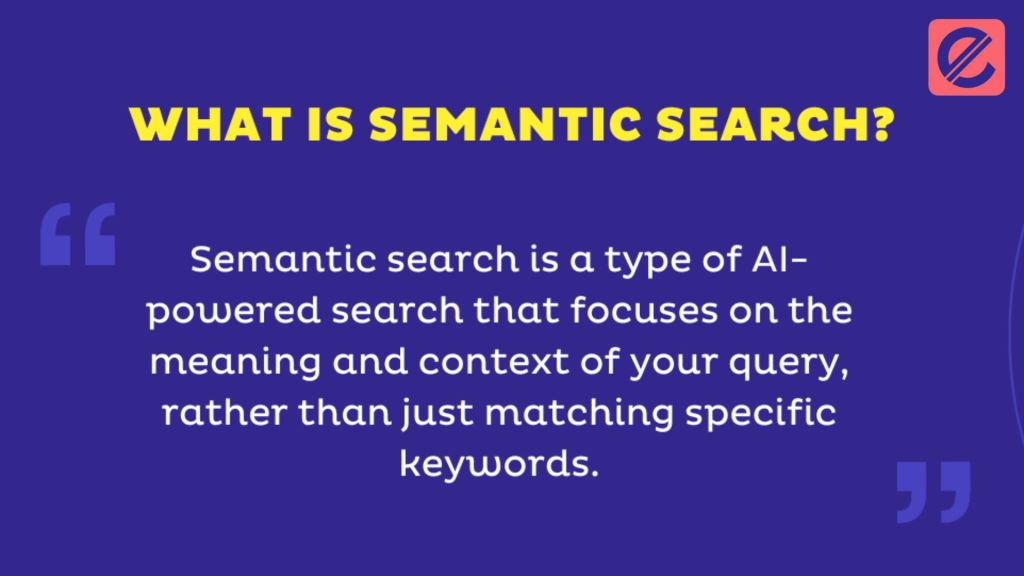
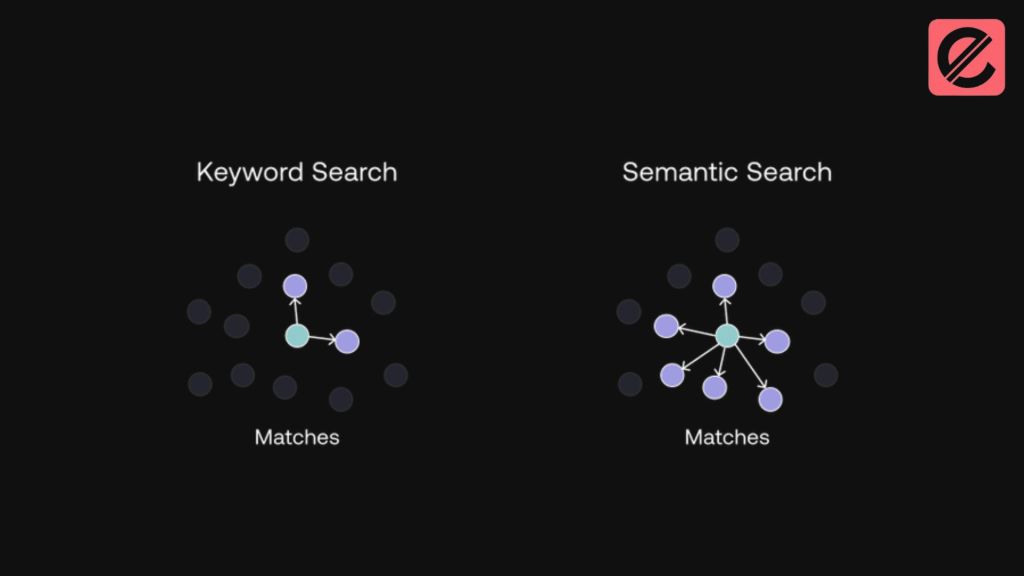
Beyond only matching keywords, semantic search is a novel technique for information retrieval. It delves deeper, aiming to understand the intent and context behind a search query. Think of it as a search engine that can read between the lines.
Here’s a breakdown of the critical aspects of semantic search:
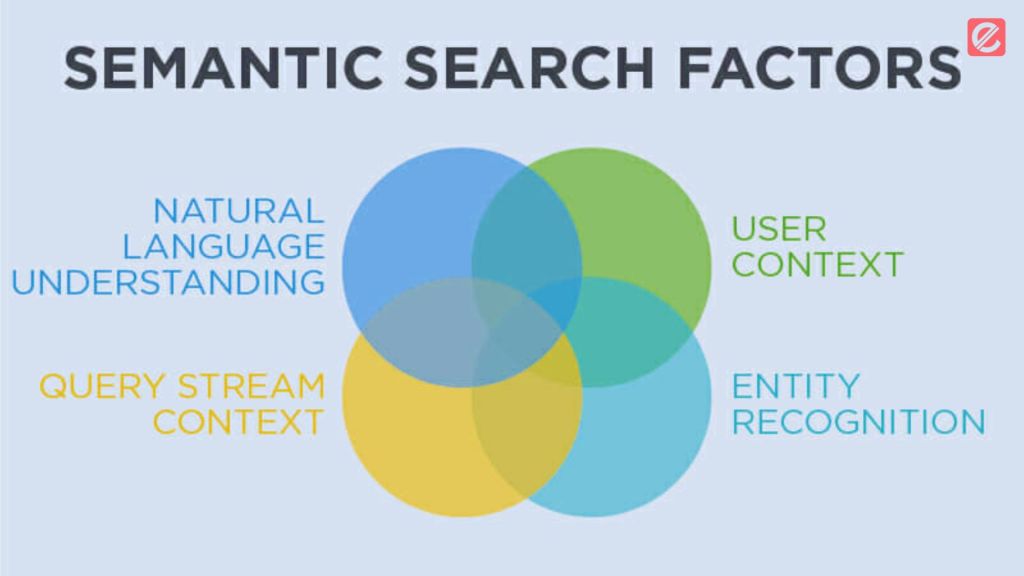
- Understanding Search Intent: Semantic search algorithms try to grasp the user’s goal behind the search query. Are they looking for information, trying to compare products, or ready to purchase? By understanding the intent, the search engine can deliver more relevant results.
- Contextual Awareness: Semantic search considers the surrounding words and phrases in a search query. This helps the engine understand the broader context of what the user wants. For example, searching for “best running shoes” might differ from searching for “most comfortable running shoes.”
- Entity Recognition: Semantic search can identify and understand the entities (people, places, things) mentioned in a search query. This allows the engine to connect the user with information related to those entities, even if they aren’t explicitly mentioned in the query.
How Does Semantic Search Work?
Semantic search leverages a combination of advanced technologies to achieve its remarkable results:
- Natural Language Processing (NLP): NLP allows search engines to understand the nuances of human language, including synonyms, idioms, and the relationships between words. Imagine a search engine that understands the difference between “running shoes” and “tennis shoes,” even though they aren’t exact keyword matches.
- Machine Learning: Machine learning algorithms continuously learn and improve based on user behavior and search patterns. This allows search engines to identify emerging trends and understand how users interact with search results.
- Knowledge Graphs: Knowledge graphs are massive databases that store information about entities and their relationships. These graphs allow search engines to connect seemingly disparate pieces of information and provide a more comprehensive understanding of a user’s query.
Why is Semantic Search Important?
The rise of semantic search is significant for several reasons:
- Improved User Experience: Semantic search delivers more relevant and accurate results, leading to a more satisfying user experience. Imagine getting the answer you need immediately instead of sifting through irrelevant pages.
- More Natural Searches: Semantic search allows users to search using natural language, similar to asking a real-life question. This makes searching for information more intuitive and efficient.
- Better Content Visibility: Content producers can use semantic search to optimize their material for context, search intent, and keywords. This makes it more likely that the appropriate audience will find their content.
The Benefits of Semantic Search for Businesses
Beyond improving user experience, semantic search offers significant advantages for businesses:
- Increased Website Traffic: You can attract more customers by making your content semantic and search-friendly for anyone looking for information about your goods or services.
- Improved Conversion Rates: When users find the information they need on your website, they are more likely to convert into leads or customers.
- Enhanced Brand Reputation: You may position your brand as a thought leader in your business by producing insightful and helpful content.
Challenges of Implementing Semantic Search
While semantic search offers immense potential, there are also challenges to consider:
- Evolving Search Algorithms: Keep up with the latest trends and best practices because search engine algorithms constantly evolve.
- Content Quality: Semantic search rewards high-quality content that is informative and engaging. Creating this type of content requires ongoing effort and investment.
- Competition: As more businesses adopt semantic search strategies, the competition for online visibility will increase.
How to Make Your Content Semantically Correct
While traditional SEO practices still hold value, semantic search requires a shift in focus. Here’s how to adapt your content strategy:
- Focus on Topics, Not Just Keywords: Instead of obsessing over specific keywords, identify the broader topics your audience is interested in. Create content that comprehensively addresses these topics, providing valuable insights and information.
- Use Natural Language: Write content that reads naturally and uses the language your target audience would use in their searches. Stay calm in keyword stuffing; focus on clarity and providing value.
- Leverage Entity Building: When creating content, consider the entities (people, places, things) relevant to your topic. Link to authoritative sources and interlink your content to create a solid internal knowledge graph within your website.
The Future of Search is Semantic
The way we engage with information online is fast changing because of semantic search. Search engines can provide more pertinent and valuable results when comprehending search requests’ intent and context. This shift is not just about technology; it’s about creating a more intuitive and user-friendly search experience.
Ready to explore how Elatre can help your business leverage the power of semantic search? Our team of creative digital marketing experts can help you develop a content strategy that attracts the right audience and positions your brand for success in the age of semantic search. Contact Elatre today to learn more!