
Imagine you’re planning a party. Would you carefully select your guest list based on people you believe would most enjoy the event, or would you invite everyone you know? Just like planning a party, understanding demographics is about knowing your audience. It’s not just about numbers; it’s about knowing who your customers are, what they like, and how you can best connect with them. This information can differentiate between success and missed opportunities in business and marketing.
What are Demographics?
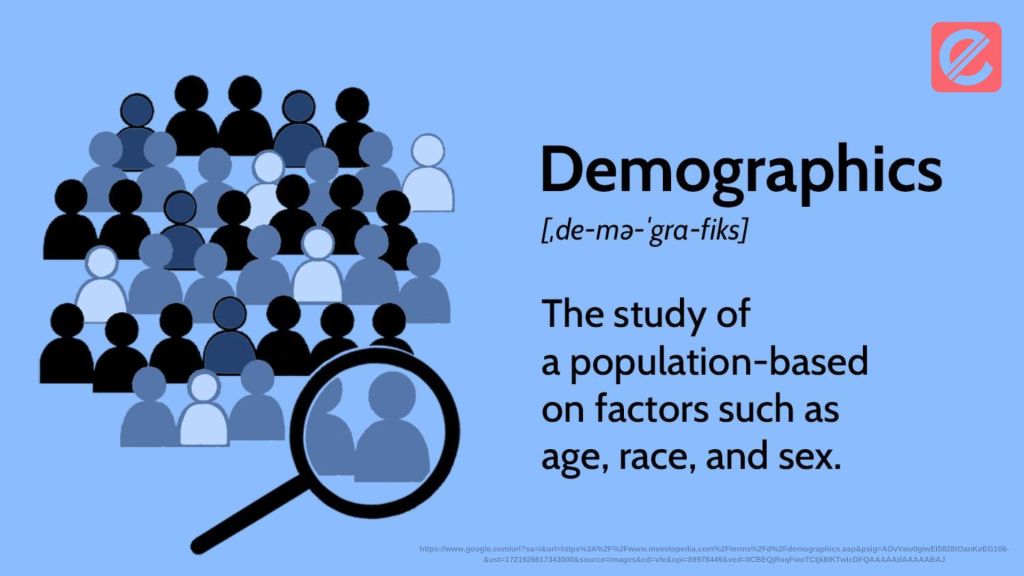
Statistics on a population are referred to as demographics. This data typically includes characteristics such as age, gender, income, education, marital status, occupation, and more. Demographics help businesses and marketers categorize and understand different groups of people within a population.
Why Demographics Matter in Marketing
In marketing, demographics are crucial in targeting the right audience for products and services. Imagine trying to sell high-end sports cars to retirees on a fixed income—it’s unlikely to yield successful results. By understanding demographics, marketers can tailor their messages and offerings to resonate with specific segments of the population that are most likely to be interested and able to purchase.
Key Demographic Factors
- Age: Different age groups have distinct preferences and buying behaviors. For example, millennials may prioritize sustainability and technology, while baby boomers prioritize reliability and customer service.
- Gender: Gender can influence purchasing decisions and product preferences. Marketers often customize their messaging based on gender norms and interests.
- Income: Income levels dictate spending power and affordability. Luxury brands target high-income individuals, while value brands cater to budget-conscious consumers.
- Education: Education levels can indicate interests, values, and media consumption habits. Highly educated individuals may respond differently to marketing messages compared to those with lower levels of education.
- Location: Geographical location affects consumer behavior due to cultural differences, climate, and economic factors. Urban dwellers may have different needs than rural residents.
How to Gather Demographic Data
There are several methods marketers use to gather demographic data:
- Surveys and Questionnaires: Directly asking people about their characteristics and preferences.
- Census Data: Utilizing government census reports for broad demographic insights.
- Analytics Tools: Leveraging digital analytics to track user demographics on websites and social media platforms.
- Market Research: Conducting focus groups and interviews to gather qualitative demographic insights.
Applying Demographics in Marketing Strategies
Once demographic data is collected, marketers can create targeted marketing strategies:
- Personalized Advertising: Tailoring advertisements to specific demographic segments.
- Product Development: Designing products that meet the needs and preferences of target demographics.
- Content Marketing: generating content that speaks to various demographic groups’ beliefs and interests.
Challenges in Demographic Targeting
Despite its benefits, demographic targeting comes with challenges:
- Changing Demographics: Population demographics can shift over time, requiring constant updates and adjustments to marketing strategies.
- Privacy Concerns: Gathering demographic data must be done ethically and legally, respecting consumer privacy rights.
- Stereotyping Risks: Over-reliance on demographics alone can lead to oversimplification and stereotyping of consumer behavior.
Ethical Considerations in Demographic Research
Ethics are increasingly crucial in the collection and use of demographic data:
- Informed Consent: Ensuring individuals understand how their data will be used and have the option to opt out.
- Data Security: Safeguarding demographic data against breaches and unauthorized access.
- Transparency: Being transparent about data collection practices and purposes.
The Future of Demographics in Marketing
The use of demographics in marketing is expected to change as consumer behavior and technology progress. The distinctions between traditional demographic classifications will become less apparent as artificial intelligence and big data analytics enable increasingly more precise targeting and individualized marketing activities.
Measuring the Effectiveness of Demographic Targeting
Determining how well demographic targeting strategies are performing is crucial for refining marketing efforts:
- Metrics and KPIs: Measuring success using click-through rates, conversion rates, and client acquisition expenses.
- A/B Testing: Experimenting with different demographic segments to optimize campaigns and messaging.
- Customer Feedback: Gather feedback through surveys and reviews to understand how well-targeted marketing resonates with different demographics.
Consumer Behavior Insights through Demographics
Understanding consumer behavior through demographics provides valuable insights:
- Buying Patterns: Analyzing how different demographics make purchasing decisions.
- Brand Loyalty: Examining which demographics are more likely to be loyal customers.
- Media Consumption: Understanding where different demographics consume information and entertainment.
The Power of Demographics
Understanding demographics goes beyond mere statistics; it’s about grasping the intricacies of human behavior and preferences. By delving into demographics, businesses can forge stronger connections with their audience, optimize their marketing efforts, and ultimately achieve tremendous success in a competitive marketplace. Next time you plan a marketing campaign or develop a new product, remember the importance of demographics. Knowing your audience is critical to making informed decisions that drive results, whether you’re aiming to attract tech-savvy millennials or affluent retirees.
Explore more about leveraging demographics for your marketing strategy with Elatre. Our team specializes in creative digital marketing solutions tailored to your audience demographics. Visit Elatre to learn how we can help your business thrive in today’s competitive landscape.