
Are you ready to unlock the secrets of SEO and take your website to new heights? Look no further! Here, we will delve into the world of search engine optimization and equip you with the knowledge and tools to boost your website’s visibility and drive qualified traffic. This article will offer helpful insights and practical advice to help you succeed, regardless of your level of SEO knowledge.
Understanding the Basics
Let’s examine Mozlow’s hierarchy of SEO demands to provide a solid basis for your SEO endeavours. This pyramid, inspired by Maslow’s hierarchy of needs, outlines the key elements necessary for SEO success. At the base of the pyramid is crawl accessibility, followed by compelling content, keyword optimization, excellent user experience, share-worthy content, attention-grabbing titles and descriptions, and snippet/schema markup.
Each level of this hierarchy ensures your website ranks well in search engine results. By focusing on these fundamental aspects, you can set yourself up for SEO success.
Conducting Keyword Research
One of the most important aspects of SEO is understanding what queries your target audience is using. By conducting keyword research, you may find out what terms and phrases potential visitors use to get information about your business or niche.
Place yourself in the shoes of your audience first. What are they trying to find? What queries do they have? You can find essential keywords that will bring targeted visitors to your website by providing answers to these queries.
Additionally, consider utilizing tools like Google Keyword Planner, SEMrush, or Moz Keyword Explorer to gain insights into search volume, competition, and other valuable metrics.

Optimizing On-Site Elements
With this information, you may improve your website’s content to suit the interests of your target audience better and raise your search engine rankings. It’s time to optimize the on-site components of your website once you have determined which keywords are your target audience. This includes optimizing your website’s design, user experience, information architecture, and content publishing strategy.
Ensure your website is mobile-friendly, as mobile responsiveness is now a crucial ranking factor. Implementing structured data and metatags will provide search engines with a clear understanding of your site’s content and purpose.
Remember, it’s not just about search engines. Your website should be user-friendly, with intuitive navigation and fast load times. By prioritizing user experience, you provide visitors with a seamless browsing experience, encouraging them to stay longer and engage with your content.
Enhancing User Experience
A great user experience goes beyond just technical optimization. It encompasses the overall feel, usability, and satisfaction visitors experience when interacting with your website.
Concentrate on producing exciting and educational material that answers the queries and demands of your intended audience. Utilize multimedia elements such as images, videos, and infographics to enhance your content’s visual appeal and comprehension.
Optimize your website’s load speed to minimize bounce rates and ensure a smooth browsing experience. Remember, users are likelier to abandon a slow-loading site, negatively impacting your SEO efforts.
Creating Share-Worthy Content
In the realm of SEO, content is king. Producing worthwhile, viral material is crucial to drawing in backlinks, citations, and social media amplification. High-quality content showcases your expertise and increases your website’s authority and visibility.
When crafting your content, provide unique insights, actionable tips, and comprehensive guides that address your audience’s pain points. Incorporate relevant keywords naturally and avoid keyword stuffing, as search engines penalize such practices.
Use various platforms to promote your work, such as social media, email newsletters, and partnerships with influential people. You establish your website as a trusted resource by garnering attention and generating backlinks, boosting your rankings.
Crafting Compelling Titles, URLs, and Descriptions
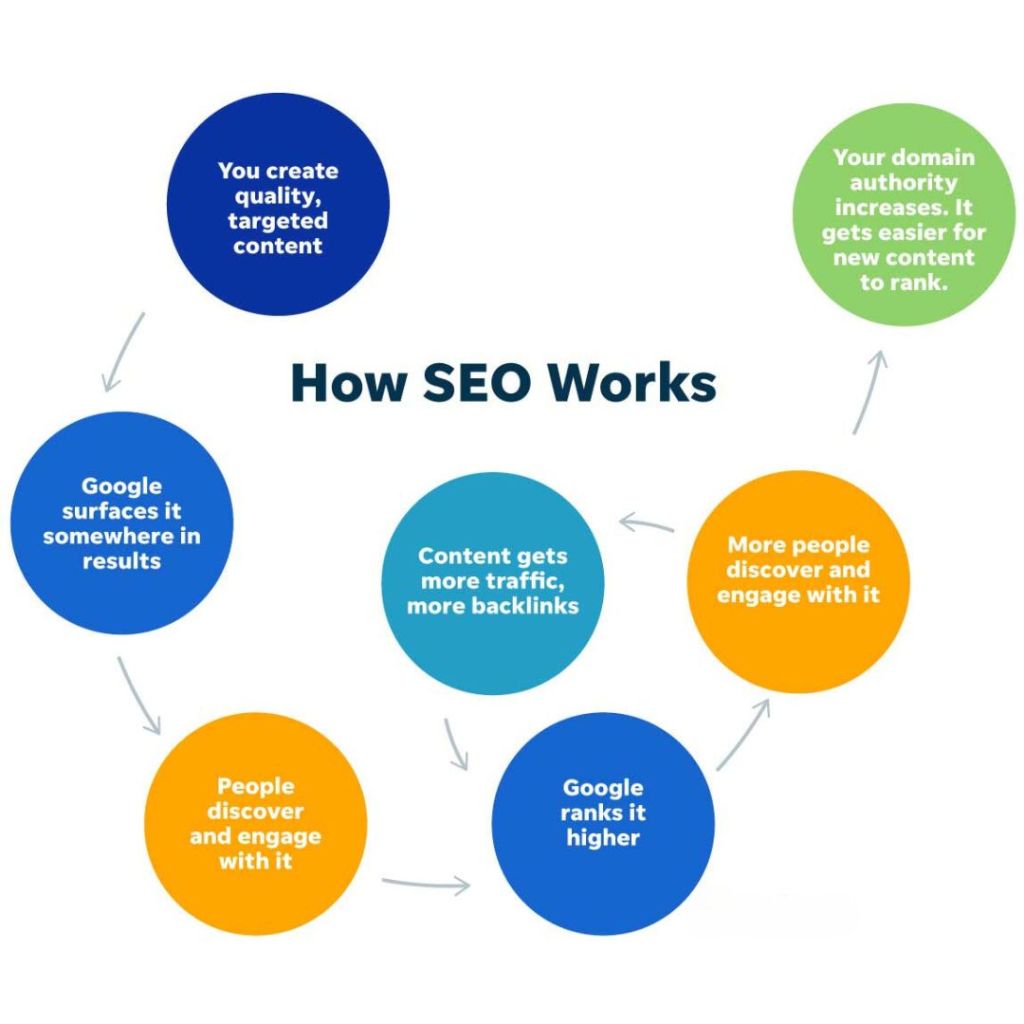
Your website’s titles, URLs, and meta descriptions attract clicks from search engine result pages. Crafting compelling and keyword-optimized titles and descriptions can significantly impact your click-through rate (CTR) and improve your rankings.
Ensure that your titles accurately reflect the content of your pages and include relevant keywords. Keep them concise, informative, and compelling to entice users to click through to your site.
Similarly, optimize your URLs to be descriptive and keyword-rich. Avoid lengthy URLs with unnecessary characters or parameters, as they confuse search engines and users.
Leveraging Snippet/Schema Markup
Snippet/schema markup is a powerful tool that allows you to enhance your website’s appearance in SERPs. Your pages will gain more context and information about your content by adding structured data.
Implementing snippet/schema markup can help your website stand out, increase your CTR, and improve your rankings. Take advantage of schema.org’s extensive library of schemas to mark up different types of content, such as articles, reviews, events, and more.
Local SEO Strategies
Explore how to optimize your website and online presence to attract local customers. Topics under this could include creating Google My Business listings, obtaining local citations, leveraging customer reviews, and implementing geo targeted keywords.
Evaluating SEO Performance
Dive into the metrics and tools used to measure the effectiveness of your SEO efforts. Discuss topics such as tracking keyword rankings, monitoring organic traffic growth, analyzing bounce rates and dwell time, and using Google Analytics and other SEO tools for comprehensive performance evaluation.
Technical SEO for Success
Technical SEO is critical to optimizing your website for search engines and establishing credibility with developers. By implementing responsive design, optimizing robot directives, and utilizing technical elements like structured data and meta tags, you can effectively communicate your site’s purpose to search engines.
Auditing your website regularly for issues like broken links, duplicate content, and crawl errors is essential. You can fix these problems with tools like Google Search Console and Moz Pro, which help search engines crawl and organize your site correctly.
Mastering SEO Jargon: The Glossary
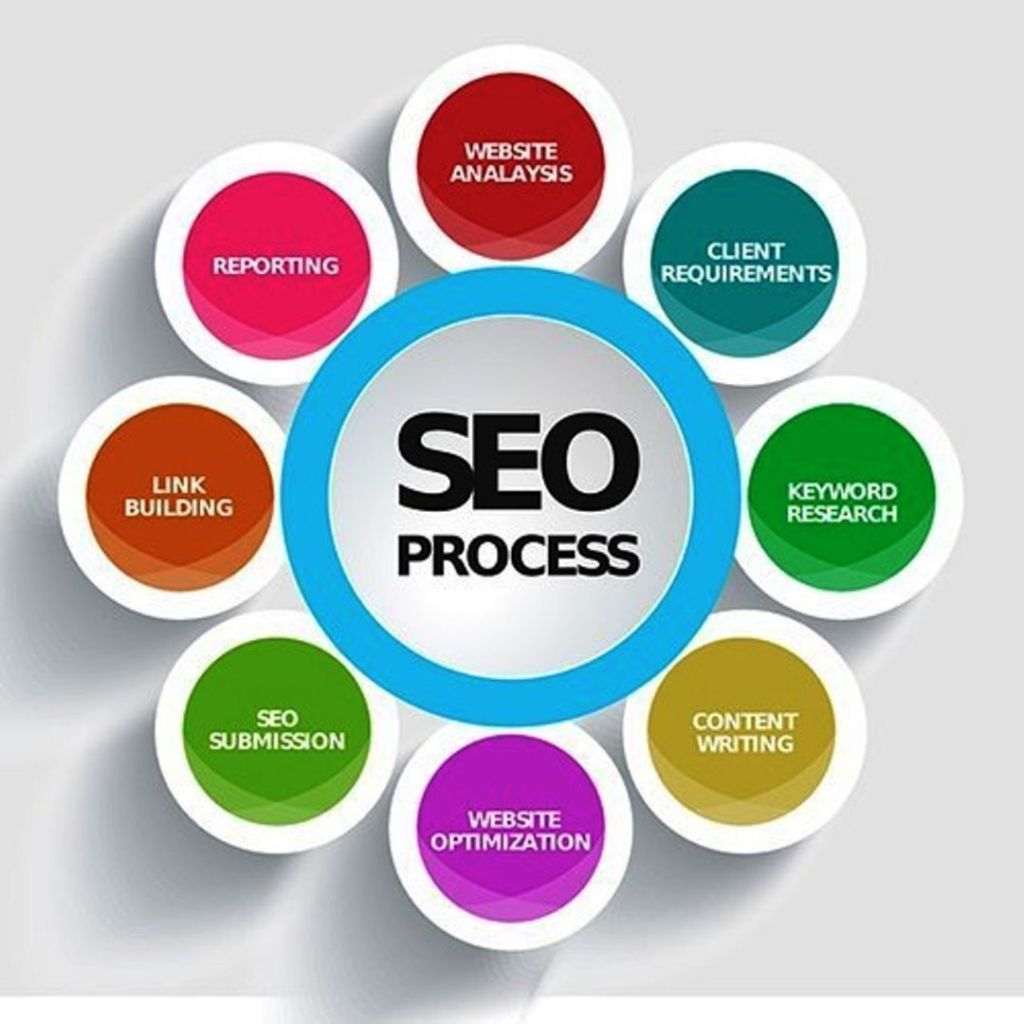
The world of SEO is filled with jargon and industry terms that can overwhelm beginners. To help you navigate this linguistic maze, we’ve compiled a comprehensive glossary of SEO terms. From “backlinks” to “SERPs,” this glossary will serve as your trusty guide, ensuring you understand the language of SEO.
How Much Should You Read?
The Beginner’s Guide to SEO is a comprehensive resource covering all the essential aspects of SEO. See this guide from beginning to end to get the most out of it. However, feel free to refer to specific chapters quickly as needed.
Throughout the guide, we’ve included links to additional resources that provide more in-depth information on specific topics. These resources are valuable supplements to your SEO education and are worth exploring.
FAQ’s
1. What are SEO rules?
SEO guidelines are recommended practices and tactics that help website owners optimize for search engines. These rules cover keyword research, on-page SEO, link development, and UX enhancements. SEO can boost a website’s search engine rankings and organic visitors.
2. What are some SEO optimization tips?
SEO optimization tips include:
- Keyword research to target relevant and high-traffic keywords.
- Optimizing meta tags and headings.
- Creating high-quality and engaging content.
- Building high-quality backlinks.
- Improving website speed and mobile-friendliness.
- Regularly monitor and analyze website performance with analytics tools.
3. How can I improve my SEO rankings?
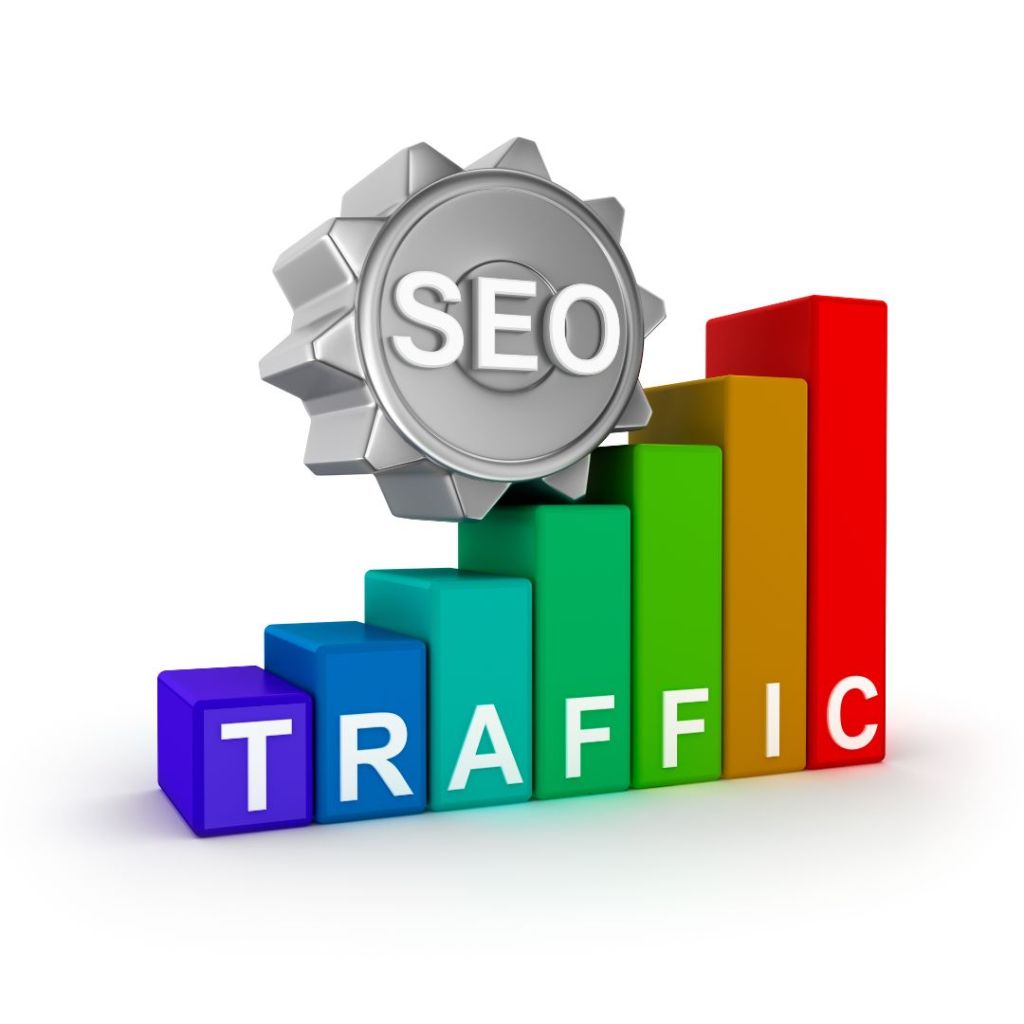
Optimize meta tags, headers, and content to boost SEO ranks. Focus on building high-quality backlinks from respected websites, improving website loading speed user experience, and creating fresh, valuable content. To improve your website, keep up with SEO trends and algorithm changes.
4. Why are SEO guidelines important?
Businesses and website owners need SEO guidelines to boost search engine rankings. These tips will help increase organic traffic, outrank competitors, and promote your items. SEO rules also ensure your website matches search engine and user expectations, improving user experience and conversion rates.
5. How can SEO guidelines benefit my business?
SEO rules may boost brand exposure, targeted organic traffic, leads, and conversions. SEO may help you reach more people, establish industry expertise, and expand your business online.
Taking Your SEO Knowledge to the Next Level
Congratulations on completing the Beginner’s Guide to SEO! You now have a solid foundation in search engine optimization and are equipped with the knowledge and tools to succeed. But the learning continues.
If you want to enhance your SEO skills further or train your entire team, consider checking out the Moz Academy SEO Essentials Certification. With on-demand videos, task lessons, and exams, this certification program provides a structured and comprehensive learning experience.
So, what are you waiting for? Take your SEO knowledge to new heights and unlock the full potential of your website.