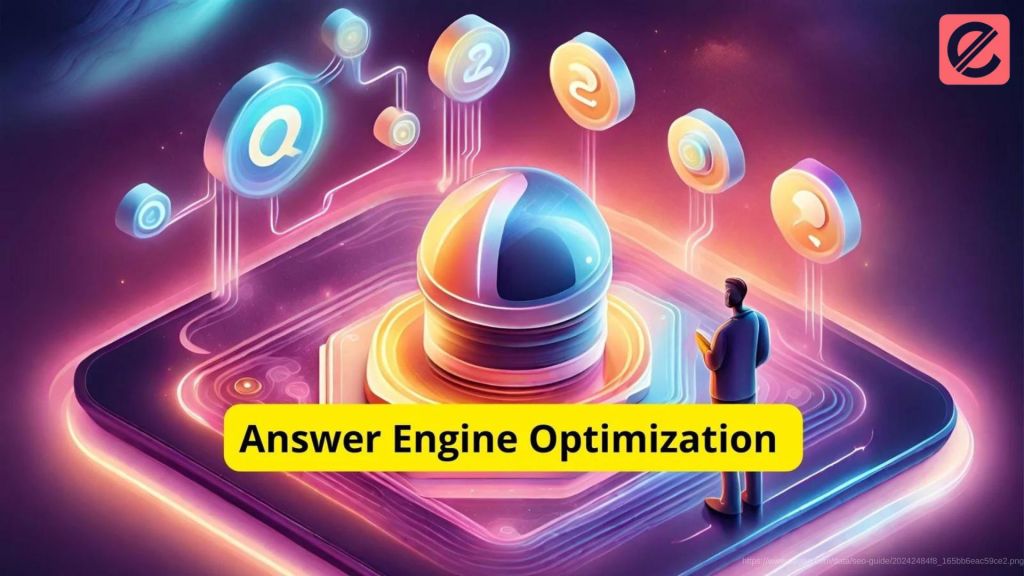
Imagine a world where searching for information feels as natural as having a conversation. No more typing keywords, wading through endless search results, or deciphering technical jargon. This world is already upon us, driven by the rise of voice search and the evolution of search engines into sophisticated answer engines. Gone are the days of simply ranking high on search engine results pages (SERPs). Today, the goal is to provide the most direct and concise answer to a user’s query on the search results page. This is where Answer Engine Optimization (AEO) comes into play.
What is Answer Engine Optimization (AEO)?
Answer Engine Optimization (AEO) is a strategic approach to content creation that provides clear and comprehensive answers to user questions. It leverages the power of search engines’ evolving algorithms, particularly their ability to understand user intent and deliver direct answers.
While traditional SEO focuses on ranking for specific keywords, AEO goes further. It delves into the “why” behind the search query, anticipating user needs and crafting content directly addressing them.
Here’s a simple analogy: Imagine a library with an extensive selection of books; that’s how conventional SEO works. You, the user, enter the library with a specific topic in mind. SEO helps you find the books most relevant to that topic.
AEO, on the other hand, is like having a knowledgeable librarian who understands your specific question within that topic. They can quickly locate the needed information and deliver it clearly and concisely. This is the essence of AEO – becoming the go-to source for search engine answers.
Why is AEO Important for Voice Search?
The way people interact with the internet is fast changing due to voice search technologies. Instead of typing keywords, users are increasingly asking questions in a natural, conversational way through voice assistants like Siri, Alexa, and Google Assistant.
Businesses now have a unique chance to optimize their voice search content because of this change in search behavior. With AEO, you can ensure that your website appears in the coveted “answer box,” also known as the “featured snippet” box, at the top of search results. This prime location showcases your content as the direct answer to a user’s query, significantly increasing your chances of capturing that valuable voice search traffic.
Here are some compelling reasons to embrace AEO for voice search:
- Increased Visibility: By optimizing your content for direct answers, you increase your chances of appearing in the featured snippet, maximizing your visibility for relevant voice searches.
- Improved User Experience: AEO focuses on providing clear and concise answers, which aligns perfectly with the fast-paced nature of voice search. Users get the information they need quickly and efficiently.
- Enhanced Brand Authority: When your content is featured as the answer to a user’s question, it establishes you as a thought leader and a trusted source of information in your niche.
- Targeted Traffic: Since visitors looking for answers are further down the purchase funnel and closer to making a choice, AEO helps draw in highly relevant traffic.
How to Optimize Your Content for Answer Engine Optimization
Now that you understand the importance of AEO for voice search let’s dive into actionable strategies to optimize your content:
Identify User Intent and Search Queries
The cornerstone of AEO is understanding the specific questions users are asking about your industry, products, or services. Here are some practical ways to identify user intent:
- Keyword Research Tools: Find out what people are looking for using keyword research tools such as SEMrush, Google Keyword Planner, or Ahrefs.
- Answer the Public: This free online tool generates a comprehensive list of questions based on prepositions like “who,” “what,” “when,” “where,” “why,” and “how.”
- People Also Ask: Explore the “People Also Ask” section on Google search results pages to see additional questions related to your target keyword.
- Social Media Listening: Monitor relevant social media conversations to identify user pain points and typical questions within your industry.
Craft Content in a Question-and-Answer Format
Once you have a good grasp of user intent, structure your content to answer their questions directly. Here are some tips:
- Use H2 and H3 Tags with Question Phrases: Incorporate relevant questions as H2 and H3 subheadings throughout your content. This signals to search engines the specific information you’re providing.
- Start with Clear and Concise Answers: Begin your sections with clear and direct answers to your identified questions. This ensures users get their information quickly, even if they only skim the content.
- Provide Supporting Details and Context: While concise answers are crucial, don’t neglect to offer additional information and context. This enhances user experience and establishes your expertise.
Optimize for Readability and Voice Search
Since voice search often involves users listening to the answer rather than reading it, optimizing for readability is essential. Here are some tips:
- Use Short Sentences and Paragraphs: Divide complex material into manageable portions. Aim for sentences under 20 words and keep paragraphs concise.
- Maintain a Conversational Tone: Write naturally, as if conversing with the user. Avoid overly technical jargon and explain complex terms if necessary.
- Focus on Mobile-Friendliness: Make sure your website is mobile-friendly and easy to navigate, as most voice searches are done on mobile devices.
Leverage Structured Data Markup
Adding more details about your content to search engines is possible using structured data markup. If you do this, your chances of featuring your sample can increase dramatically. Here’s how it works:
- Schema Markup: Utilize schema markup, a specific vocabulary for structured data, to provide search engines with context about your content. This might include your business address, product details, or frequently asked questions (FAQs).
- Rich Results: Your website can appear in rich search results, containing ratings, photos, and even short videos that play next to the search result if you use schema markup.
Build High-Quality Backlinks
Getting backlinks from trustworthy websites in your field is still a vital SEO tactic for Answer Engine Optimization. Search engines receive backlinks as votes of confidence, indicating that your information is reliable and pertinent. However, the focus should be on acquiring high-quality backlinks from relevant websites rather than just a large quantity of generic links.
Embrace AEO and Speak Directly to Your Audience
The emergence of response engines and voice search offers businesses a fantastic chance to establish a more meaningful connection with their customers. By embracing Answer Engine Optimization strategies, you can ensure your content provides the clear and concise answers users seek. This translates to increased visibility, improved user experience, and, ultimately, valuable traffic that converts.
Ready to explore how Elatre, a creative digital marketing company, can help you leverage AEO to achieve our voice search goals? Keyword research, content development, and technical SEO optimization are just a few of the many services we offer to help your website rank higher in voice search results. Get in touch with Elatre today and start speaking directly to your audience through the power of AEO!