Imagine you’ve built a fantastic restaurant with mouthwatering dishes and impeccable service. But how many customers will walk through the door if they still wait to hear it exists? That’s the challenge of SEO—creating a website optimized for search engines that becomes a beacon for your target audience. But how do you measure SEO success? Just like you would only run a restaurant by tracking ingredients or customer satisfaction, you need the right metrics to understand your website’s performance. Here’s your comprehensive guide to mastering SEO metrics for better rankings.
SEO Metrics: Understanding the Data Behind Your Success
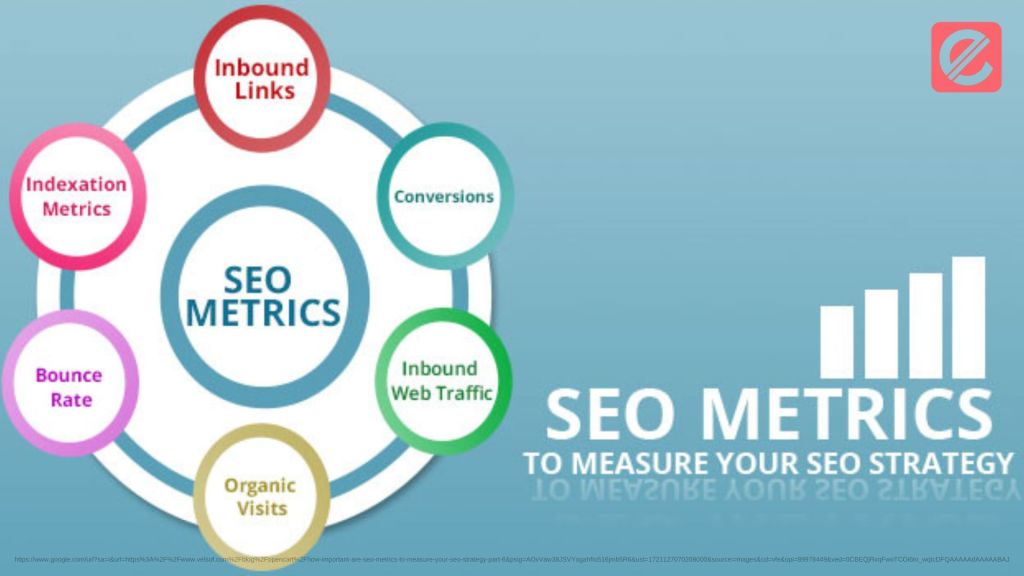
SEO metrics are the measurable aspects of your website’s search engine performance. Monitoring these indicators will provide you with important information about:
- Visibility: How easily your website is found in search engine results pages (SERPs)
- Traffic: The number of visitors coming to your website from search engines
- Engagement: How visitors interact with your website content
- Conversions: How many visitors complete desired actions, like buying something or signing up for a newsletter
By routinely evaluating SEO analytics, you can find development opportunities and optimize your SEO approach for more significant outcomes.
Essential SEO Metrics You Should Track
Now that you are aware of the importance of SEO metrics let’s examine the main ones you should monitor:
Natural Traffic
Organic Traffic
Search engine users who discover your website naturally through channels such as Google, Bing, and DuckDuckGo are known as organic traffic. This is the lifeblood of SEO, representing potential customers who found your website through organic search.
How to Track: Most website analytics platforms like Google Analytics will display your organic traffic data. Look for reports on “Acquisition” or “Traffic Sources” to see how much traffic comes from organic searches.
Why It’s Important: Organic traffic indicates the effectiveness of your SEO efforts. More individuals will find your website and become leads or customers if you increase organic traffic.
Keyword Rankings
A website’s keyword rating is its performance in search engine results for individual keywords. Ideally, you want your website to rank high (on the first page) for keywords relevant to your business.
How to Track: Several free and paid keyword tracking tools are available. Popular options include Google Search Console, SEMrush, and Ahrefs.
Why it’s Important: High keyword rankings increase the likelihood of users finding your website. Choosing high search volume and relevant keywords to target will significantly increase your organic traffic.
Click-Through Rate (CTR)
The CTR measures how often people see your website in search results and then go to your site via a click. A high CTR shows that the title descriptions on your website are exciting and encourage readers to click.
How to Track: CTR data is readily available in most website analytics platforms under “Search Console” or “Organic Search.”
Why it’s Important: A low CTR can indicate that your website titles and descriptions need to be more effectively grabbing user attention. Improving your CTR means more visitors from the same amount of search traffic.
Bounce Rate
The percentage of visitors to your website that departs after only reading one page is known as the bounce rate. A high bounce rate indicates that the material on your website could be more exciting and pertinent to the user’s query.
How to Track: Bounce rate data can be found within your website analytics platform.
Why it’s Important: A high bounce rate can negatively impact SEO. Search engines could interpret it as a symptom of a bad user experience, which could result in a drop in the ranking of your website.
Backlinks
Backlinks are links other websites have placed on their pages that lead to yours. They serve as virtual votes of confidence, informing search engines of the value and importance of your website. The quality and quantity of backlinks significantly influence your website’s authority and ranking potential.
How to Track: Several SEO tools can help you track backlinks, including Ahrefs, Moz, and SEMrush.
Why It’s Important: High-quality backlinks from reputable websites are a powerful SEO signal. Earning backlinks shows search engines that your website is trustworthy and deserves a higher ranking.
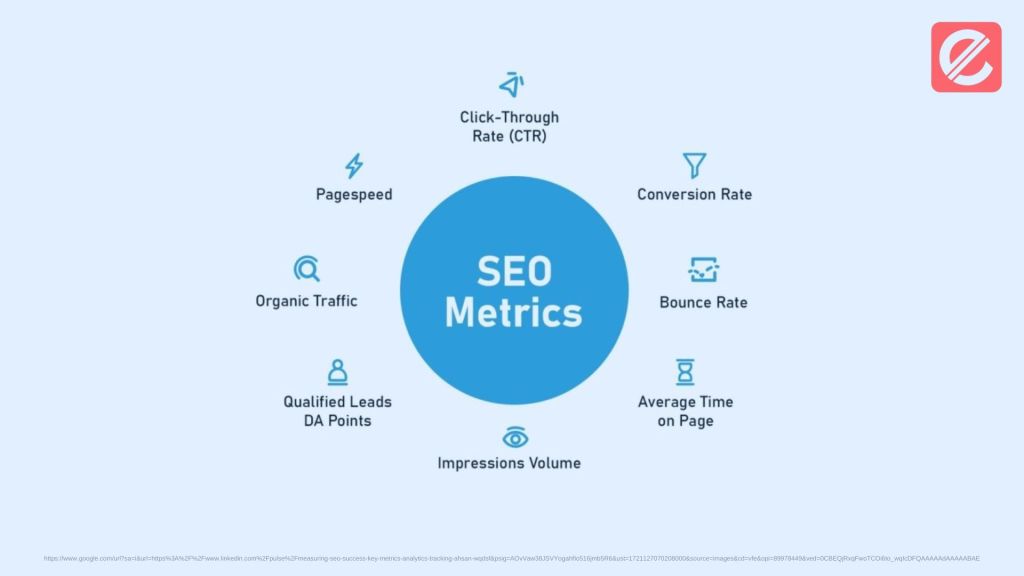
Domain Authority (DA)
Domain authority (DA), a Moz score, shows the website’s likelihood of appearing in SERPs. It’s based on factors like backlinks, website age, and overall quality.
How to Track: You can check your domain authority using free tools like Moz Link Explorer or paid SEO tools.
Why It’s Important: While not a direct ranking factor, Domain Authority provides a general sense of your website’s SEO strength; a higher DA indicates a greater chance of ranking well for competitive keywords.
Optimizing Your SEO Strategy Based on Metrics
Once you’ve tracked your SEO metrics for a while, it’s time to analyze the data and make informed decisions. He explains how to use your SEO metrics to optimize your strategy:
- Identify Strengths and Weaknesses: Analyze which metrics are performing well and which need improvement. For example, high organic traffic but low CTR might indicate a need for more compelling title tags and meta descriptions.
- Set SMART Goals: Establish specific, measurable, achievable, relevant, and time-bound (SMART) goals for your SEO strategy. For example, you could increase organic traffic by 20% within six months or improve your average ranking for a particular keyword group.
- Prioritize Actions: Based on your data analysis, sort the tasks that will most affect your SEO performance in order of importance. This might involve creating high-quality content targeting relevant keywords, building backlinks from reputable websites, or improving website loading speed.
- Track Progress and Refine: SEO is an ongoing process. Regularly monitor your SEO metrics to see how your efforts are paying off. If necessary, modify your action plan in light of the evidence and your objectives.
Beyond the Numbers: User Experience Matters Too!
Although SEO analytics are essential, don’t just pay attention to the figures. Another critical component in the effectiveness of SEO is user experience (UX). Here’s how UX plays a role:
- Engaging Content: If you want people to stick around on your website, you need to provide them with material that is both informative and attractive. Doing so can boost time spent on the site and drastically lower bounce rates—both good SEO signs.
- Mobile-Friendliness: Nowadays, where mobile use is paramount, your website must be mobile-friendly and optimized for all devices. Bad mobile experiences can hurt SEO by increasing bounce rates and causing annoyance.
- Website Speed: Consumers anticipate speedy website loading. Slow loading times can severely harm user experience and SEO performance. Utilize a reputable web hosting provider, reduce file sizes, and optimize images on your website to make it load faster.
Remember: Making a website that is both user- and search engine-friendly is the goal of SEO. Technical SEO and user experience work together to build a website that draws in visitors, engages them, and eventually turns them into leads or customers.
Mastering SEO Metrics for Sustainable Success
You can accomplish your online marketing objectives with the help of search engine optimization (SEO). Your website’s performance and potential improvement areas can be better understood using key SEO indicators that can be tracked and analyzed. Stay patient; search engine optimization is a long haul. To create an SEO strategy that will last and bring benefits in the long run, you need to optimize your website regularly using data and put the user experience first.
Ready to explore how Elatre, a creative digital marketing company, can help you master SEO metrics and achieve top search engine rankings? Contact our team immediately for a no-cost consultation to learn how we can increase your website’s exposure in search engine results by implementing a data-driven SEO strategy.