
Imagine you’re at a giant library. Thousands of books line the shelves, but the labels are cryptic symbols or nonsensical gibberish. Frustrating, right? That’s precisely how users feel when they encounter messy website URLs. In the digital world, URLs (Uniform Resource Locators) act as addresses, guiding users to specific content on your website. However, poorly constructed URL can be confusing and deter visitors. This is where creating clean and user-friendly URLs becomes crucial. Clean URLs are not just about aesthetics; they are significant in user experience (UX) and Search Engine Optimization (SEO). This will teach you to write concise URLs that improve your website’s search engine ranking and make navigating more accessible for visitors.
What Makes a URL Clean and User-Friendly?
Think of a clean URL as a clear road sign. It should be easy to read, understand, and predict where it leads. Here are the key characteristics of a user-friendly URL:
- Descriptive: It is essential that the URL represents the webpage content that it connects to in an exact manner.
- Simple: Keep it short and sweet. Long, convoluted URLs are difficult to remember and type.
- Keyword-rich: Strategically include relevant keywords to enhance SEO.
- Hyphenated: Use hyphens (-) to separate words for better readability. Avoid underscores or camel casing.
- Lowercase: Use lowercase letters for consistency and to avoid potential case-sensitivity issues.
How to Create Clean URL
Crafting clean URLs is an easy process once you understand the fundamental principles. Here’s a step-by-step guide:
Define Your URL Structure
The first step is establishing a clear and consistent URL structure for your website. This creates a hierarchy that reflects how your website is organized. Here are some common structures:
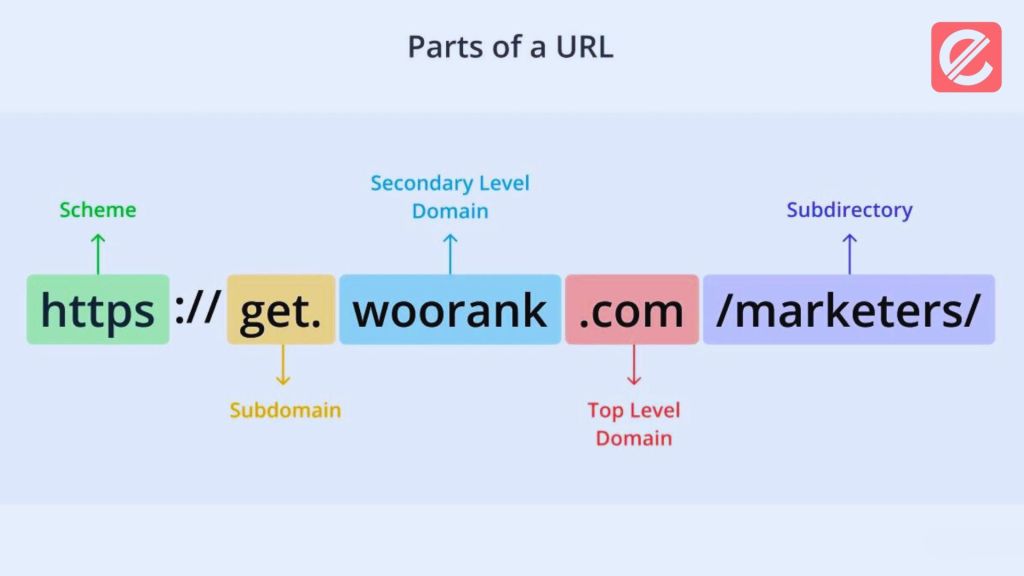
- Flat Structure: This type of website is suitable for small websites with limited pages. URLs typically follow the domain name followed by the page name (e.g., [[invalid URL removed]]).
- Folder Structure: This is ideal for websites with more content. Folders categorize related pages, making navigation easier (e.g., [[invalid URL removed]]).
- Subdomain Structure: Used for distinct sections of a website, often treated as separate entities (e.g., [[invalid URL removed]]).
Choose the structure that best suits your website’s needs and ensure consistency.
Keyword Research and Integration
Strategic keyword placement in your URLs can significantly impact your SEO. Here’s how to do it effectively:
- Identify Relevant Keywords: Utilize keyword research tools to find terms that people use to find content similar to yours.
- Target Primary Keyword: For optimal SEO benefit, include your primary keyword in the URL, ideally at the beginning (e.g., [[invalid URL removed]]).
- Incorporate Secondary Keywords: While maintaining readability, consider incorporating variations or related keywords organically (e.g., [[invalid URL removed]]).
Remember: Avoid overusing keywords unnaturally. Prioritize clarity and the experience of the user.
Keep it Short and Sweet
Aim for concise URLs. Long, stringy URL are cumbersome to read and can negatively impact SEO. Here are some tips for keeping URLs short:
- Focus on Main Points: Identify the core message of the webpage and translate it into a concise URL.
- Avoid Unnecessary Parameters: Dynamic URLs often contain unnecessary parameters that can lengthen the URL. Consider using static URLs whenever possible.
- Prioritize Readability: If shortening requires sacrificing clarity, prioritize user understanding over extreme brevity.
The ideal URL length is debatable, but generally aim for under 60 characters.

Hyphenate for Readability
Separating words in your URL with hyphens (-) enhances readability. Search engines understand hyphens as word separators, making the URL structure clear for users and algorithms.
Avoid Using underscores (_) or leaving words smashed together, confusing users.
Use Lowercase for Consistency
Although some servers may not apply case sensitivity, it is recommended that you use lowercase letters throughout your URLs. This maintains consistency and avoids problems that user typos or server variances could have caused.
The Impact of Clean URLs on SEO
This section can delve deeper into how clean URLs can improve your website’s search engine ranking. Here are some key points to consider:
- Improved User Engagement: When users stay on your website for extended periods and explore more information, it is a favorable ranking indication for search engines. Clear URLs encourage users to do both of these things.
- Enhanced Click-Through Rate (CTR): Regarding search engine results pages (SERPs), descriptive URLs have a greater chance of being clicked on, leading to increased organic traffic.
- More robust Information Architecture: A well-structured URL scheme indicates a well-organized website, which search engines look for.
- Relevance to Search Queries: Keyword-rich URLs can increase the relevancy of your material to particular search queries.
Common Clean URL Mistakes to Avoid
This section can serve as a cautionary tale, highlighting common pitfalls to avoid when crafting URLs. Here are some examples:
- Dynamic URLs with Excessive Parameters: Urls that contain lengthy strings of parameters might be difficult to understand and reduce the readability of the URL. Whenever it is practicable, you should use static URLs.
- Keyword Stuffing: Excessive keyword usage in URLs can negatively impact search engine optimization and user experience. Pay attention to the integration of natural keywords.

- Inconsistent Capitalization: Mixing uppercase and lowercase letters can create case sensitivity issues and make URLs appear messy. Use lowercase consistently.
- Stop Words: Including unnecessary words like “the” or “a” in URLs does not add value and can lengthen them unnecessarily.
By integrating these additional H2 themes, you may compose a more comprehensive and informative blog post. The objective is to encourage website owners to utilize clean URLs to enhance both the user experience and search engine optimization.
Reap the Benefits of Clean URLs
These easy rules will help you build clear, intuitive URLs to boost user experience and raise your website’s search engine rating. Clear URLs make your website more discoverable and user-friendly, leading to a more engaged audience.
Ready to transform your website’s URLs from cryptic codes to clear road signs? Contact Elatre today for a free consultation! We’ll help you create a user-friendly and SEO-friendly URL structure that empowers your audience to find the content they seek, ultimately driving engagement and conversions.