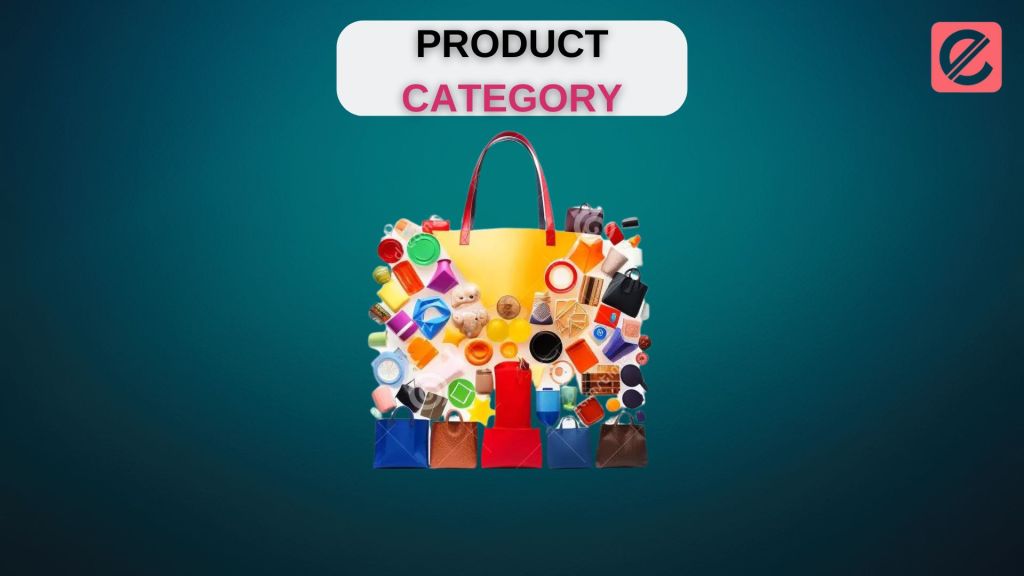
Imagine walking into a grocery store where all the products are piled haphazardly from floor to ceiling. Finding that jar of peanut butter you desperately need would be a nightmare, right? This disorganization happens in an online store with poorly defined product categories. For any ecommerce business, creating effective product categories is crucial. The roadmap guides your customers to the products they seek, improves user experience, and boosts sales. So, how do you craft product categories that are clear, intuitive, and SEO-friendly? Let’s delve into the world of product category creation!
What is a Product Category?
A product category is a collection of related products with standard features. It’s the virtual shelf on your online store where you organize associated items. Think of it like the bread aisle in your local supermarket – it houses all the different bread products, from white bread to bagels.
Why Are Effective Product Categories Important?
Here’s why well-defined product categories are essential for your online store:
- Enhanced Customer Experience: Clear categories make it easier for customers to find what they want. No more aimlessly wandering through a digital maze! This smooth navigation leads to increased satisfaction and a higher chance of conversion.
- Improved SEO: Using keywords in your product categories helps search engines understand your store’s offerings. This improves your ranking in search results, attracting more organic traffic.
- Boosted Sales: Consumers are more likely to purchase when they can quickly locate their needs. Effective categories lead to a streamlined shopping journey, ultimately boosting your sales.
- Inventory Management: Well-defined categories make it easier to manage your inventory. You can group related products, making stock control and analysis more efficient.
How to Create Effective Product Categories
Crafting an effective product category structure requires careful planning and consideration. Here’s a step-by-step guide to get you started:
Know Your Target Audience
A thorough grasp of your potential customer is the first step toward effective marketing. Who are you selling to? What are their needs and preferences?
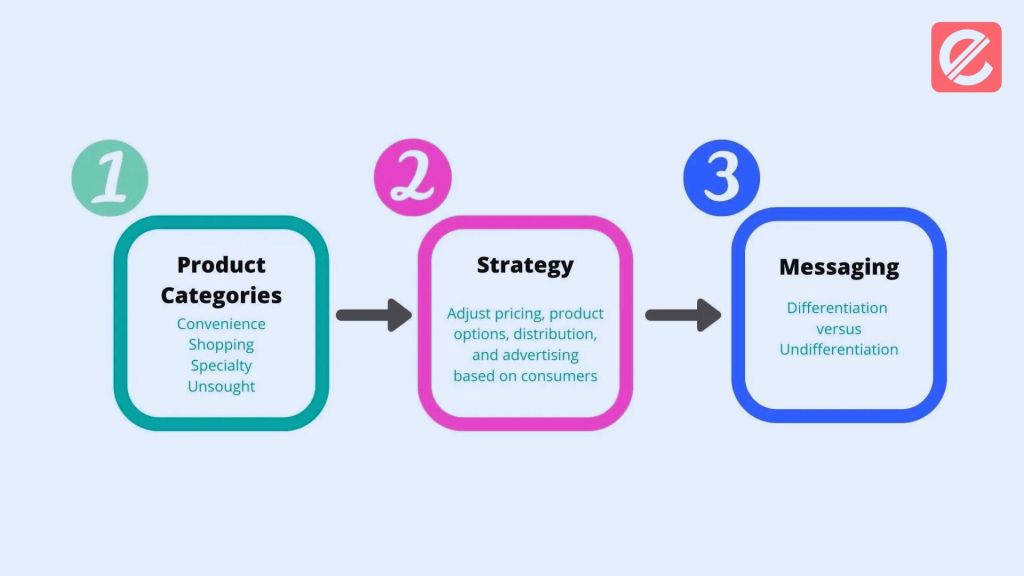
Conduct market research, analyze customer data, and consider your buyer personas. This will help you categorize products that resonate with your target audience.
Group Products Based on Customer Needs
Focus on how your products solve customer problems, not just their features. For instance, instead of a category called “Appliances,” consider categories like “Kitchen Essentials” or “Laundry Helpers.” This user-centric approach makes it easier for customers to find what they need.
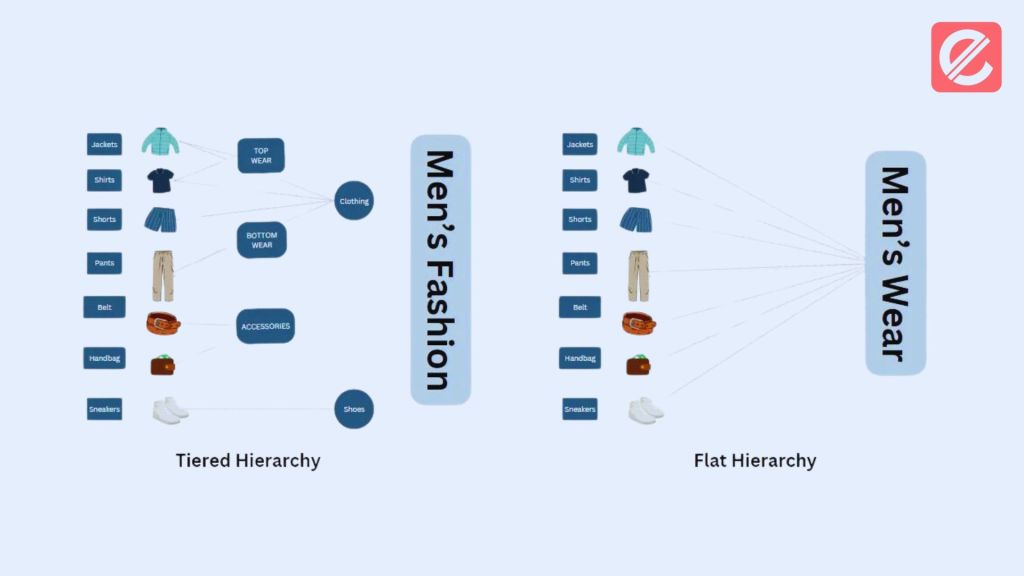
Maintain a Logical Hierarchy
Think of your product categories as an inverted tree. The main categories (think “Appliances”) are the trunk, with subcategories (like “Kitchen Essentials”) branching out. Further subcategories (like “Coffee Makers”) can be added for even more specific product groupings.
This hierarchical structure ensures a clear and organized navigation for your customers.
Use Clear and Concise Category Names
Your category names should be self-explanatory and easy for customers to understand. Avoid technical phrases and jargon that could mislead your viewers. Opt for simple, keyword-rich names that accurately reflect the products within the category.
Leverage SEO Best Practices
Using relevant keywords in your category names and descriptions helps search engines understand your product offerings. However, be mindful of keyword stuffing; focus on natural language that accurately describes the category.
Refine and Optimize Over Time
Your product categories are not set in stone. As your product line evolves, so should your category structure. Regularly analyze customer behavior and search data to see which categories resonate most. Feel free to adjust and refine your categories for optimal performance.
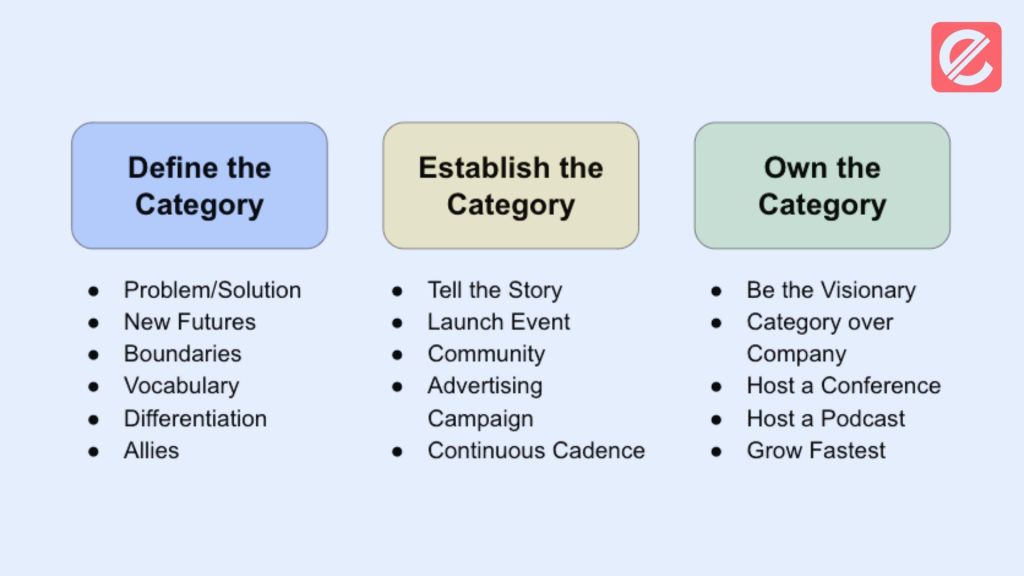
Optimizing Product Category Pages for Conversions
Your product category pages are crucial landing spots for customers searching for specific products. Here’s how to optimize them to drive conversions:
- Compelling Category Descriptions: Include brief yet informative descriptions for each category. Use keywords that describe the products within the category and highlight the benefits they offer to customers.
- High-Quality Product Images: Images are helpful resources while purchasing online. Make use of top-notch product photos that best represent your products. Consider incorporating images taken from various perspectives to ensure buyers get a clear picture of the products.
- Effective Filtering and Sorting Options: Customers can filter and sort products within each category by price, brand, color, size, or rating. This helps them narrow down their search and find the products that best meet their needs.
- Internal Linking: Strategically link to relevant products and subcategories within the category page. This keeps customers engaged and exploring your product offerings.
- Clear Calls to Action (CTAs): Ensure your clients know exactly what to do next. Put apparent calls to action (CTAs) on your category pages, including “Add to Cart,” “Shop Now,” and “Learn More.”
Implementing these optimization techniques allows you to transform your product category pages into conversion powerhouses.
Leveraging Analytics for Continuous Improvement
Data is king in the world of ecommerce. By examining consumer behavior and website traffic statistics, you can obtain essential knowledge about the performance of your product categories. Here’s how to leverage analytics for continuous improvement:
- Track Category Performance: Monitor key metrics like click-through rates (CTRs) on category pages, time spent on each category, and conversion rates for products within each category.
- Identify Underperforming Categories: Analyze which categories have low CTRs or high bounce rates. This might indicate a need to refine the category name, description, or overall structure.
- Test and Refine: Take risks and try various category layouts and arrangements. Use A/B testing to compare different versions and see which leads to better user engagement and conversions.
Tracking and evaluating data regularly ensures your product categories are continually optimized for user experience and sales.
The Key to a Thriving Online Store
Effective product category are the backbone of a successful online store. By prioritizing clarity, user experience, and SEO, you can create a digital shopping experience that keeps customers returning for more.
Ready to explore how Elatre, a creative digital marketing company, can help you craft a winning product category strategy? Our area of expertise is assisting companies in increasing revenue and optimizing their internet presence. Contact us today, and let’s discuss how we can help your ecommerce store thrive!