
Everyone, from startups to individuals, needs an online presence in today’s ever-changing digital environment. One critical aspect of this endeavour is selecting the right website hosting provider. With many options available, making an informed decision can be challenging. This comprehensive guide has been put together to help you find the finest website hosting company that suits your needs and goals.
Understanding Your Hosting Needs
Assessing your specific requirements is crucial before delving into the sea of hosting providers. Different websites demand different hosting solutions. For instance, a small personal blog may need additional resources than a large e-commerce platform. Consider factors like website traffic, storage needs, and technical requirements to determine the hosting type that suits you best.
Types of Website Hosting
Shared Hosting:
With shared hosting, numerous websites share a single server and its resources, making it a cost-effective alternative. Ideal for beginners and small websites, it provides cost-effectiveness but may need more performance for high-traffic sites.
VPS Hosting:
Virtual Private Server (VPS) hosting offers a middle ground between shared and dedicated hosting. It provides more control and resources for your website, making it suitable for growing businesses with moderate traffic.
Dedicated Hosting:
Dedicated hosting allocates an entire server exclusively to your website. It’s the go-to choice for high-traffic websites or those requiring robust security and customization options.
Cloud Hosting:
Cloud hosting uses multiple virtual servers to host websites, offering scalability and flexibility. It’s suitable for websites with varying traffic and resource needs.
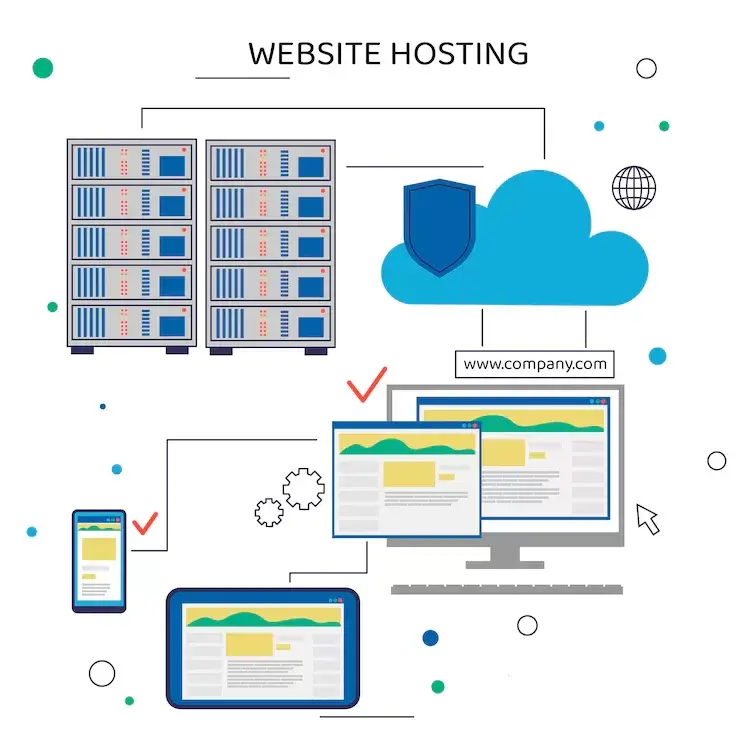
Key Features to Consider
Once you’ve identified the types of website hosting that fits your needs, it’s time to evaluate specific features offered by hosting providers.
Reliability and Uptime:
You should only pick providers who have a track record of reliable uptime. Choosing a trustworthy hosting service gives you peace of mind that your website will always be available to visitors.
Speed and Performance:
Page load times affect both user experience and search engine rankings. Choose a web host with highly optimized servers and lightning-fast speeds.
Security Measures:
Safety cannot be compromised. Protect your website with SSL certificates, firewalls, and frequent backups from your hosting provider—website from potential threats.
Scalability:
As your website grows, so should your hosting plan. Choose a supplier that can quickly scale to meet your growing needs so your online presence remains uninterrupted.
Customer Support:
Responsive customer support is invaluable, especially during technical issues. Pick a web host with a stellar reputation for responsive, helpful customer support representatives.
Choosing the Right Domain Name Registrar
Selecting a domain name register is as critical as choosing a hosting provider. Explore factors like domain pricing, renewal policies, domain management tools, and additional services such as WHOIS privacy protection to secure the perfect domain for your website.
Optimizing Website Content and SEO
Enhancing your website’s content and implementing effective SEO strategies are vital for visibility and engagement. Learn about on-page SEO techniques, content optimization practices, keyword research tools, and the importance of regular content updates to improve search engine rankings and attract organic traffic.
Research and Compare Hosting Providers
Now armed with your requirements and desired features, it’s time to research and compare hosting providers.
Customer Reviews:
Read reviews from other users to gauge real-world experiences with different hosting providers. Pay attention to feedback regarding uptime, customer support, and overall satisfaction.
Pricing and Plans:
Evaluate suppliers’ starting charges and renewal fees to understand their pricing systems. Be wary of hidden fees and seek out transparent pricing.
Additional Features:
Some hosting providers offer extra perks like free domain registration, website builders, or marketing credits. When you make your choice, keep these additional benefits in mind.

Technical Considerations
Server Resources:
Understand the allocated resources such as CPU, RAM, and storage space. Verify if they can handle the requirements of your website.
Control Panel Options:
Evaluate the control panel options provided by the hosting provider. A user-friendly interface can simplify website management tasks.
Server Location and CDN:
The geographical location of servers can impact website speed. Consider a hosting provider with servers strategically located, and explore Content Delivery Network (CDN) options for enhanced performance.
Specialized Hosting Solutions
WordPress Hosting:
TFind a web host that focuses on WordPress if you want top-notch performance and support for your site.
E-commerce Hosting:
For online stores, prioritize hosting providers with features tailored to e-commerce needs, including security, payment gateways, and scalability.
Legal and Compliance Considerations
Data Protection and Privacy:
Ensure the hosting provider complies with data protection regulations to safeguard user information and maintain privacy.
Terms of Service and Refund Policies:
Carefully review the terms of service and refund policies to avoid conflicts and understand the provider’s commitment to service quality.
FAQ’s
1. What is a website hosting provider?
An organization that offers to house and maintain your website’s documents so that they can be accessed on the internet is known as a website hosting provider. They provide the necessary infrastructure, server space, and technologies to ensure your website is available to users 24/7.
2. Why do I need a website hosting provider?
You must choose a hosting service for your website to be visible online. They store your website’s files on servers, ensuring they are available to users worldwide. Without a hosting provider, your website wouldn’t be accessible online.
3. What types of website hosting are available?
Web hosting comes in many flavors, including shared (where numerous websites share a single server), virtual private server (VPS), dedicated (where your website has its server), and cloud (where resources are pooled from multiple servers)—lots of options to fit various budgets and needs.
4. How do I choose the right website hosting provider for my needs?
Consider your website’s size, expected traffic, technical requirements, and budget. Look for a provider with good uptime, customer support, and security features. Read reviews and consider the scalability of the hosting plan to ensure it can accommodate your website’s growth.

5. What is the difference between a domain registrar and a website hosting provider?
A domain registrar is a service that helps you register and manage your website’s domain name. On the other hand, a hosting provider stores and maintains the files that make up your website. While some companies offer both services, they serve distinct roles in establishing your online presence.
Choosing the best website hosting provider is crucial in building a successful online presence. You may make a well-informed decision that supports your objectives by figuring out what you need from hosting, checking important features, thinking about technical details, researching providers, and investigating customized solutions. Remember, the right hosting provider ensures the stability and security of your website and contributes to a positive user experience.
Make the process smoother by exploring elatrus.wpcomstaging.com, a reliable hosting provider committed to delivering top-notch services tailored to your unique requirements. Take the next step in your online journey and explore the hosting solutions elatrus.wpcomstaging.com has to offer.