
Businesses in today’s lightning-fast digital marketing landscape are always looking for new and exciting ways to grab consumers’ attention. One strategy that has proven to be immensely influential is personalized marketing. This article will focus on customized marketing and examine what it needs, needs, and how it significantly impacts customer involvement.
Understanding Personalized Marketing
Defining Personalized Marketing
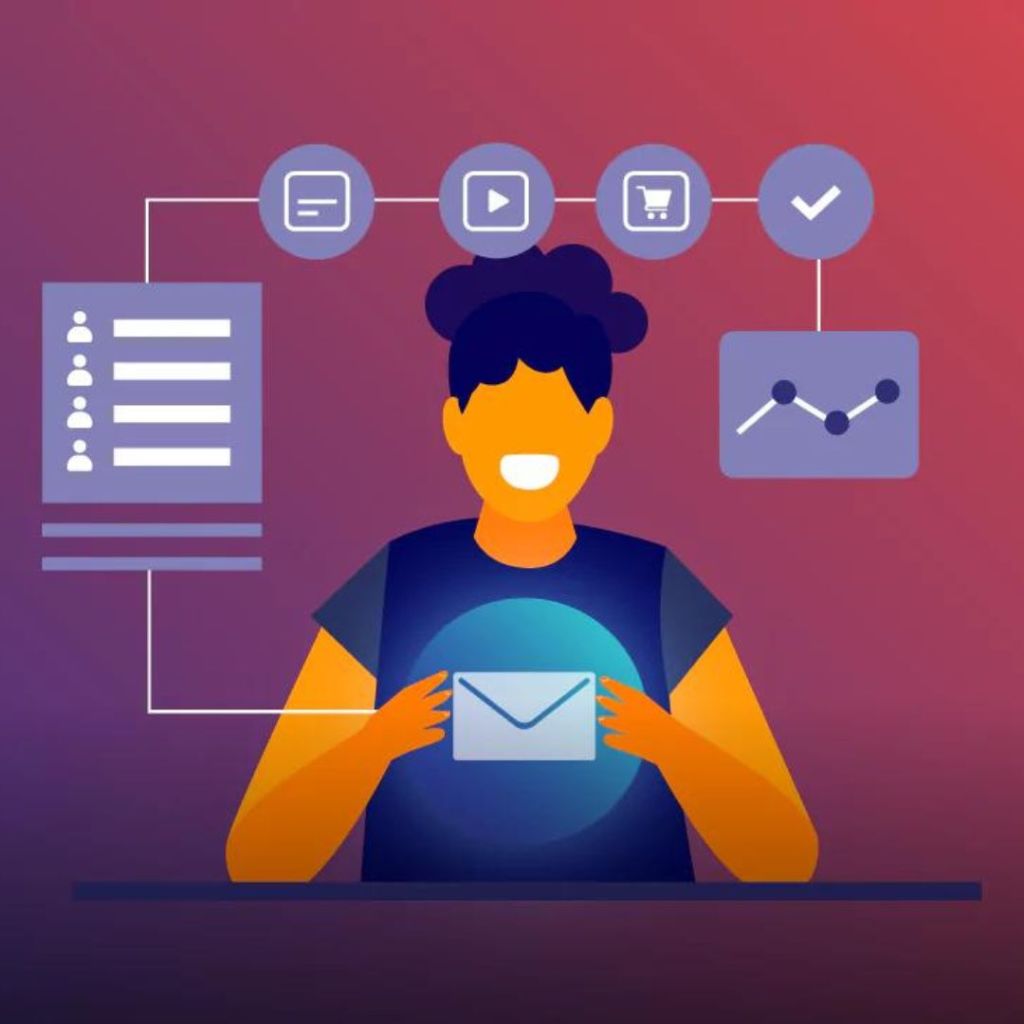
Tailoring promotional information and product offerings to individual clients is the goal of personalized marketing, which is also called one-to-one marketing. It goes beyond traditional mass marketing approaches, recognizing consumers’ unique preferences, behaviors, and demographics.
The Evolution of Personalized Marketing
The journey of personalized marketing began with basic segmentation but has evolved into a sophisticated approach leveraging advanced technologies. From personalized emails to dynamic website content, businesses now have many tools to create customized experiences for their audience.
Key Components of Personalized Marketing
Data Collection and Analysis
At the heart of personalized marketing lies data – the invaluable resource enabling businesses to understand their customers better. Effective data collection and analysis involve gathering information on customer behaviors, preferences, and interactions across various touchpoints. Utilizing this data provides insights that can be leveraged to create targeted and relevant marketing campaigns.

Segmentation Strategies
Personalization in marketing relies heavily on segmentation, which divides the target market into subsets defined by shared attributes. Marketers can use segmentation based on demographics, psychographics, or purchasing history to target specific groups with relevant messaging and offers.
Personalized Content Creation
Crafting content that resonates with individual customers is a cornerstone of personalized marketing. This goes beyond merely addressing customers by their names; it involves creating dynamic content that adapts based on the user’s preferences and behaviours. The content should align with a seamless, personalized customer journey from product recommendations to customized offers.
Behavioral Targeting
Understanding customer behavior is pivotal in delivering personalized experiences. Behavioral targeting involves analyzing how customers interact with a brand online – from the pages they visit to the products they view. This information empowers businesses to anticipate customer needs and deliver targeted messages, enhancing the user experience.
Challenges and Ethical Considerations in Personalized Marketing
- Discuss the potential challenges businesses face when implementing personalized marketing strategies, such as data privacy concerns, ensuring accurate data collection, and maintaining ethical standards in targeting and messaging.
- Explore the importance of transparency and consent in personalized marketing practices, highlighting best practices for building trust with customers while effectively leveraging their data.
The Role of Customer Feedback in Refining Personalized Marketing Strategies
- Analyze the significance of gathering and incorporating customer feedback into personalized marketing initiatives.
- Showcase how businesses can use feedback loops to iterate and improve personalized marketing campaigns, enhancing customer satisfaction and engagement.
- Discuss strategies for actively listening to customers, collecting feedback through various channels, and effectively leveraging insights to tailor offerings and experiences.
The Impact of Personalized Marketing on Engagement
Increased Customer Satisfaction
Personalized marketing creates a sense of exclusivity for the customer. When individuals feel that a brand understands their needs and preferences, it fosters a stronger connection. This heightened satisfaction leads to repeat business and transforms customers into brand advocates, driving positive word-of-mouth.
Enhanced Customer Loyalty
Personalizing marketing campaigns for each consumer helps businesses build lasting ties with them. Trust is the foundation of loyalty, and consumers are more inclined to stick with a company despite competition if they often receive tailored and pertinent material.
Improved Conversion Rates
Conversion rates are directly affected by personalized marketing. Customers who encounter customized recommendations and offers are more likely to purchase. The targeted nature of personalized marketing reduces the likelihood of customers abandoning their carts, ultimately contributing to increased sales.
Successful Examples of PersonalizedMarketing
Amazon’s Product Recommendations
The e-commerce giant Amazon is a prime example of successful personalized marketing. Through their sophisticated algorithms, Amazon analyzes customer browsing and purchase history by offering customized product recommendations. This enhances the shopping experience and contributes significantly to their r venue.
Netflix’s Content Personalization
The success of Netflix is not solely based on its vast library but also on its personalized content recommendations. By analyzing viewing history and user preferences, Netflix suggests content that aligns with individual tastes, keeping users engaged and subscribed for more.
Spotify’s PPersonalizedPlaylists
Spotify leverages personalized playlists to keep users engaged with their platform. By analyzing listening habits and preferences, Spotify curated playlists tailored to individual tastes, creating a unique and enjoyable music experience for each user.
Harnessing Technology for Personalization
Technological Advancements in PersonalizedMarketing
Thanks to the lightning-fast development of technology, personalized marketing has reached new heights. To deliver hyper-personalized experiences to consumers, businesses nowadays can use many techniques, such as artificial intelligence (AI), machine learning (ML), and predictive analytics. In this section, we’ll look at how technology influences personalized marketing methods and how companies may use these advancements to their advantage.
Artificial Intelligence and Personalized Recommendations
Artificial intelligence (AI) is crucial in customization, particularly for content and product recommendations. Algorithms powered by AI analyze customer behavior, preferences, and historical data to predict what products or content a customer is likely interested in. We’ll delve into the mechanics of AI-driven recommendations and how they contribute to heightened engagement and customer satisfaction.
Machine Learning Algorithms for Dynamic Personalization Machine
Learning algorithms are at the forefront of dynamic personalization. These algorithms can adapt and learn from customer interactions in real time, allowing businesses to tailor their marketing efforts dynamically. We’ll explore how machine learning algorithms enhance the relevance of content, offers, and recommendations, leading to a more personalized and engaging customer journey.
Predictive Analytics in Anticipating Customer Needs
Predictive analytics allows businesses to examine customer data and trends to anticipate their needs. By forecasting future behaviors, companies can proactively tailor their marketing strategies, ensuring that customers receive relevant offers and messages at the right time. This section will unravel the power of predictive analytics in shaping personalized marketing campaigns.

Implementing a CRM System and Its Functions
Personalized marketing relies on a robust Customer Relationship Management (CRM) system.
The centralized customer data, enabling businesses to create a unified view of each customer. We’ll explore how CRM systems facilitate seamless personalization by comprehensively understanding customer interactions, allowing companies to nurture relationships effectively.
Tailored marketing in today’s ever-changing digital marketing environment is paramount. By understanding customers’ needs and preferences, businesses can create meaningful connections, drive engagement, and ultimately boost their bottom line. Personalized marketing opportunities are boundless as technology advances, allowing brands to stand out online.
Embrace the power of personalized marketing and elevate your brand's engagement to new heights. If you're ready to take the next step in crafting tailored strategies for your business, visit elatrus.wpcomstaging.com to explore personalized marketing solutions that can transform your digital presence.
FAQ’s
1. What is personalized marketing?
Personalization is when companies personalize their marketing to individual customers’ requirements and interests. It involves analyzing data to understand customer behavior and then delivering targeted messages, products, or services to enhance customer engagement and satisfaction.
2. How does personalized marketing benefit businesses?
Personalized marketing can benefit businesses in several ways. It improves customer satisfaction by offering relevant and timely promotions, increases customer loyalty and retention, boosts sales and revenue through targeted advertising, and enhances overall brand perception by demonstrating a deeper understanding of customers’ needs.