
Imagine creating a house of cards, carefully laying each card, assuring stability, and holding your breath as it rises. What if one misplaced card topples the whole structure? That lost card could be a defect in software development, crippling your entire application. Automation testing is the architect carefully evaluating your software’s plan to ensure a solid foundation. Specialized tools and scripts automate test case execution in automated testing. These test cases simulate real-world user interactions for faster, more thorough, and more reliable software reviews. This will introduce automated testing and how it helps you produce high-quality software.
Automated Testing: Benefits for Enhanced Software Quality
Traditional manual testing, while valuable, has limitations. It’s time-consuming, repetitive, and prone to human error. Automated testing tackles these challenges head-on, offering a multitude of benefits for improved software quality:
Increased Test Coverage
Automated tests can execute many test cases in a fraction of the time it takes for manual testing. This allows you to explore various scenarios and functionalities, uncovering potential issues that might slip through manual cracks. Think of it as expanding your net to catch more fish – the more scenarios you test, the fewer bugs slip by.
Improved Accuracy and Consistency
Manual testing is susceptible to human error. Testers might need to catch up on steps, overlook details, or introduce inconsistencies during repetitive tasks. Automated tests, on the other hand, follow a predefined script, eliminating human error and ensuring consistent testing every single time. This consistency translates to reliable results, giving you a clear picture of your software’s health.
Faster Feedback and Early Bug Detection
Automated testing empowers you to integrate tests seamlessly into your development workflow. This allows you to run tests after every code change, providing immediate feedback on the impact of those changes. Early bug detection will enable you to address issues quickly, saving time and resources. Imagine a construction crew that can identify faulty beams before the entire building goes up—that’s the power of early bug detection with automated testing.

Reduced Costs
While setting up automation tools and writing test scripts requires an initial investment, the long-term cost savings are significant. Automated testing ultimately leads to a more efficient and cost-effective development process by reducing manual testing efforts, freeing up your team’s time for more complex tasks, and catching bugs early.
Improved Software Reliability and Performance
Automated testing goes beyond just functionality. You can create tests to assess software performance under load, ensuring it remains stable and responsive even with high user traffic. Additionally, automated testing can help identify memory leaks and other performance bottlenecks, leading to a more robust and reliable software product.
Beyond the Basics: Advanced Applications of Automated Testing
Automated testing isn’t a one-size-fits-all solution. Different types of tests cater to specific needs:
- Regression Testing: Ensures that new code changes haven’t broken existing functionalities. Automated regression testing allows you to run these tests frequently, providing peace of mind with every update.
- API Testing: Verifies the communication between different software components. Automated API testing streamlines this process, ensuring seamless data exchange within your application.
- Performance Testing: Evaluates software behavior under heavy workloads. Automated performance testing helps you identify and address bottlenecks before your software goes live.
Getting Started with Automated Testing: A Step-by-Step Guide
Ready to harness the power of automated testing? Here’s a roadmap to get you started:
- Define Your Testing Goals: What aspects of your software do you want to automate? Prioritize functionalities and user interactions that require frequent testing.
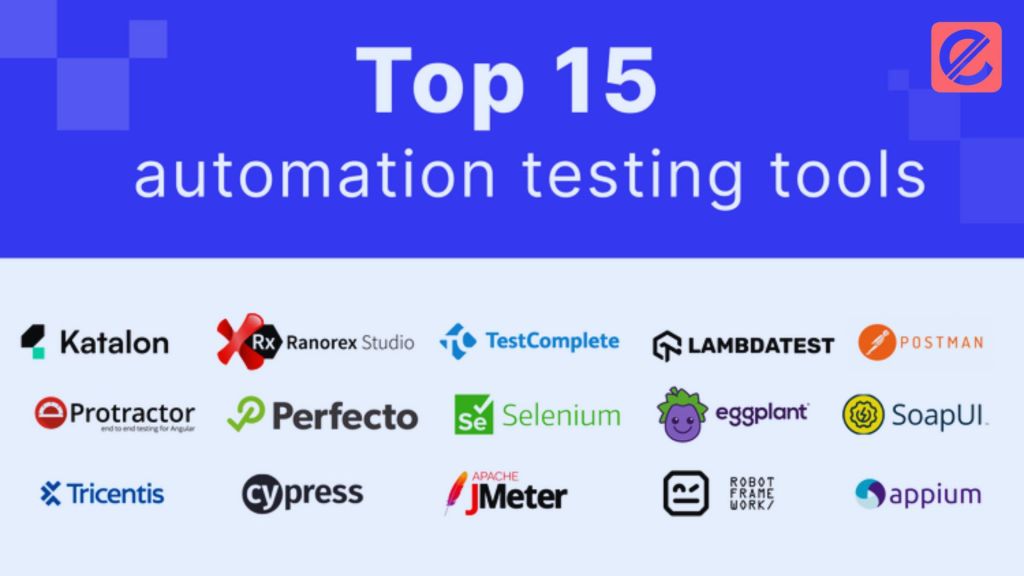
- Choose the Right Tools: Various automated testing tools are available, each with strengths and weaknesses. Consider factors like budget, technical expertise, and the type of application you’re testing.
- Develop Test Scripts: Write clear and concise test scripts that accurately reflect user interactions and desired outcomes.
- Integrate Testing into Your Development Workflow: Automate test execution as part of your development process, ideally after every code change.
- Analyze Results and Refine Tests: Review test results regularly and identify areas for improvement. Continuously refine your test suite to ensure it remains effective as your software evolves.
Challenges of Automated Testing and How to Overcome Them
While automated testing offers many benefits, it has its challenges. Here are some common roadblocks and how to navigate them:
- Initial Investment: Setting up automation frameworks and writing test scripts requires an initial investment in time and resources. However, the long-term cost savings and improved quality often outweigh this initial cost.
- Test Script Maintenance: Your test scripts must evolve with your software. Dedicate time for regular maintenance and updates to ensure your tests remain effective.
- Choosing the Right Tools: With so many alternatives available, selecting the ideal automated testing solution may be challenging. Carefully evaluate your needs, budget, and technical expertise before deciding.
Here are some tips to overcome these challenges:
- Start Small: Begin by automating a small set of critical tests. This allows you to experience the benefits of automation while minimizing the initial investment.
- Focus on Reusability: Write modular and reusable test scripts that can be easily adapted as your software changes.
- Involve Your Team: Get buy-in from developers and testers to ensure everyone understands the importance of automated testing and collaborates effectively.

Building a Strong Foundation with Automated Testing
Automated testing isn’t a silver bullet but a powerful tool in your software development arsenal. You can significantly improve software quality by incorporating automated testing into your workflow. You’ll gain increased test coverage, consistent and reliable results, faster feedback loops, and cost savings in the long run. Ultimately, automated testing empowers you to build a strong foundation for your software, ensuring a stable, user-friendly product that stands the test of time.
Ready to explore how Elatre can help you implement automated testing and elevate your software development process? Our team of creative digital marketing experts can guide you through every step, from selecting the right tools to integrating testing into your workflow. Contact Elatre today, and let’s build high-quality software together!