
Imagine having a tool that could craft your ideas into beautifully written content with just a few clicks. Sounds like a dream, right? But before you dive into the world of AI writing tools, it’s essential to consider some critical factors. Are these tools a magic wand that can replace human creativity, or do they come with limitations that could impact your content’s quality? Exploring the essential considerations before incorporating AI writing tools into your content strategy.
The Appeal of AI Writing Tools
Content creation has undergone a revolution thanks to AI authoring tools. They provide speed, ease of use, and the capacity to produce content in various tones and styles. However, with all these benefits, several vital aspects must be considered.
Understanding AI Writing Tools: What Are They?
Before diving into the considerations, it’s essential to understand what AI writing tools are. Using machine learning and complicated algorithms, these technologies can produce text based on user inputs. They may help with email creation, social media material, blog postings, and more. While they offer numerous advantages, it’s crucial to understand their limitations.
The Quality of AI-Generated Content
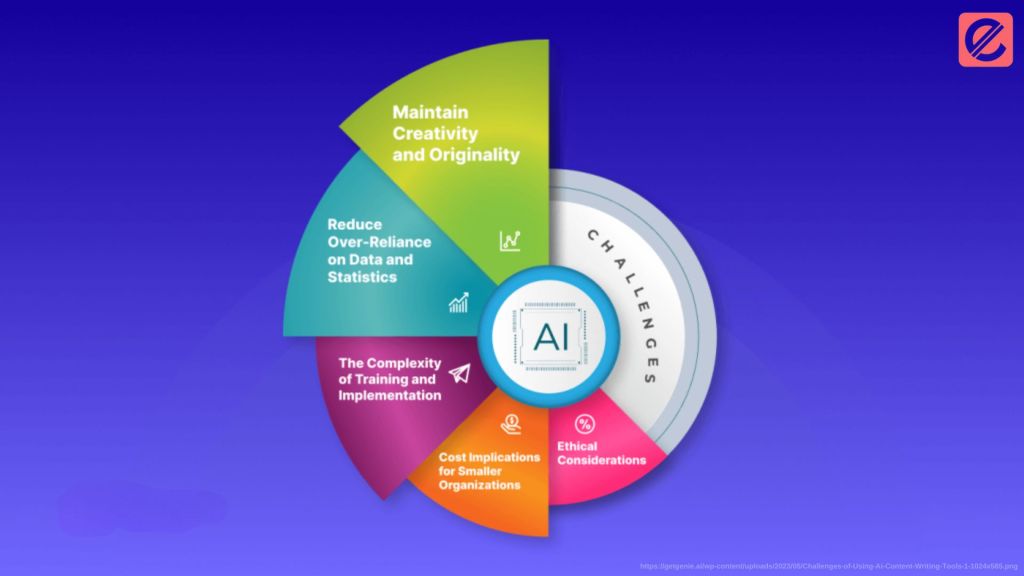
The caliber of the text generated by AI writing tools is one of the most important factors to consider before adopting them. AI tools are excellent at generating text quickly, but the quality may only sometimes meet the standards required for professional content. Here are some points to consider:
- Lack of Creativity: AI tools can generate content based on patterns and data but may need more creative flair than human writers.
- Repetitive Language: AI-generated content can sometimes be repetitive, as the algorithms rely on pre-existing data and patterns.
- Contextual Understanding: AI tools may need help understanding the context of specific topics, leading to content that requires more depth and accuracy.
The Importance of Human Oversight in AI Writing Tools
While AI writing tools can save time, they are not a replacement for human oversight. To ensure the quality and accuracy of the content, it’s essential to involve human editors in the process. Consider the following points:
Editing and Proofreading
AI writing tools may generate content, but they need to be able to edit or proofread with the same expertise as a human editor. Editing and reviewing the material to ensure it matches your business’s tone and message is crucial.
Ensuring Originality
Using AI writing tools raises severe concerns regarding plagiarism. Although these tools can create unique content, they rely on existing data, which may result in unintentional plagiarism. Always check the content for originality before publishing.
Maintaining Brand Voice
Every brand has a distinct voice that appeals to its target market. AI tools could require assistance to duplicate this voice reliably. It is imperative to ensure that the material is consistent with the tone and style of your brand.
Ethical Considerations of AI Writing Tools
Using AI writing tools comes with ethical implications that should not be overlooked. These tools can blur the lines between human-generated and AI-generated content, raising questions about transparency and authenticity.
Transparency with Your Audience
Maintaining transparency with your audience while employing AI writing tools for article creation is imperative. Let them know that AI was involved in the creation process to maintain trust and authenticity.
The Impact on Human Writers
AI writing tools have raised concerns about the future of human writers. These technologies can help with article generation, but they should be independent of professional writers. Consider how AI tools can complement, rather than replace, your writing team.
Practical Applications of AI Writing Tools
Despite these considerations, AI writing tools can be incredibly beneficial when used correctly. Here are some practical applications:
Enhancing Productivity
AI tools can help writers overcome writer’s block by generating ideas and content prompts. This can significantly enhance productivity, allowing writers to focus on refining and perfecting their work.
Content Ideation
AI solutions can help you stay current and ahead of the competition by producing content ideas based on popular themes and keywords.
SEO Optimization
AI tools can assist in optimizing content for search engines by suggesting keywords and phrases. This can help improve your content’s visibility and ranking on search engine results pages (SERPs).
The Cost-Effectiveness of AI Writing Tools
Even though AI writing tools are helpful, it is essential to consider their cost-effectiveness. Many tools come with subscription fees, varying depending on the features offered. Here are some points to consider:
Subscription Costs
AI writing tools often require monthly or annual subscriptions, which can add up over time. Evaluating whether the investment aligns with your content strategy and budget is essential.
Return on Investment (ROI)
Assess the ROI of using AI tools. Are they saving you enough time or generating content that drives sufficient traffic to justify the expense? Assessing these tools’ efficacy is critical to ensure they support your overall objectives.
The Future of AI in Content Creation
The role of AI in content creation is rapidly evolving. Being aware of possible developments will enable you to keep up with trends and modify your approach as necessary. Here are some trends to watch:
AI and Content Personalization
AI is increasingly being used to personalize content for different audience segments. By analyzing user data, AI tools can tailor content to individual preferences, making it more relevant and engaging.
Integration with Other Marketing Tools
Several marketing channels, such as social media management platforms and email marketing solutions, are starting to incorporate AI authoring tools. Your marketing initiatives can be expedited, and a more unified content strategy can be achieved with this integration.
Balancing AI with Human Creativity
AI writing tools offer numerous benefits, but they have limitations. By being aware of the ethical ramifications, the value of human oversight, and the caliber of AI-generated content, you can make well-informed judgments about integrating these technologies into your content strategy. Remember, AI tools are a powerful resource when used correctly, but they should complement, not replace human creativity and expertise.
Ready to explore how AI writing tools can elevate your content strategy? Visit Elatre to learn more about integrating AI into your digital marketing efforts.