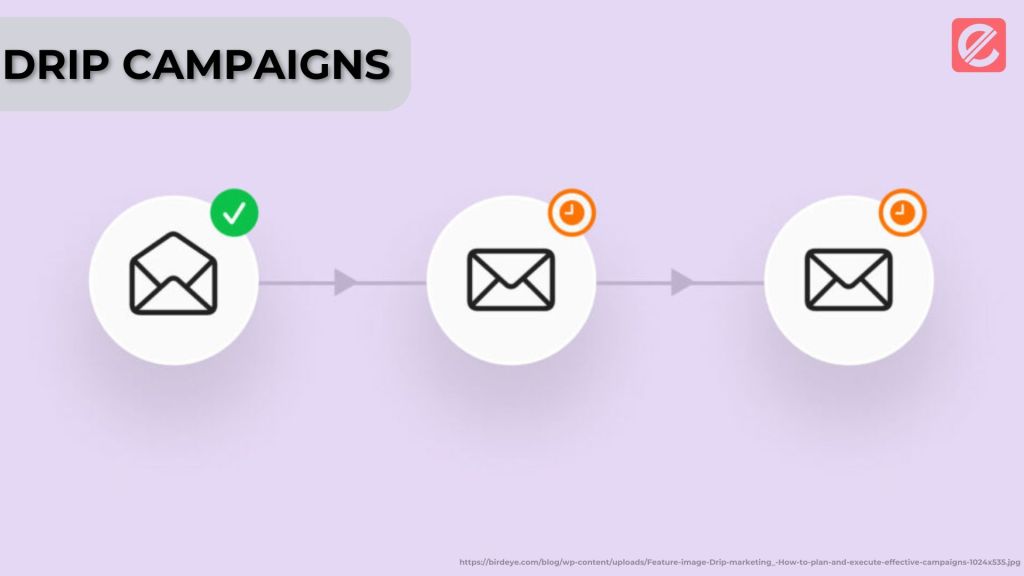
In today’s digital marketing landscape, connecting with your audience isn’t just about a one-time interaction; it’s about nurturing relationships over time. Think of your marketing efforts as planting a garden. You wouldn’t just toss seeds and walk away, right? You’d water them, give them sunlight, and care for them consistently. Similarly, drip campaigns are like the nurturing process for your leads, providing consistent value until they’re ready to convert. But how do you ensure your drip campaigns are effective? Let’s get started with the detailed instructions for developing successful drip campaigns.
Understanding Drip Campaigns
Before we dive into the creation process, let’s first understand what a drip campaign is. Drip or automated email campaigns involve sending pre-written emails to prospects over a set period. These emails are often triggered by specific actions, such as signing up for a newsletter or abandoning a shopping cart. The goal? To guide your leads down the funnel, nurture them until they’re ready to purchase or take the desired action.
The Basics of Crafting Drip Campaigns
Creating an effective drip campaign isn’t just about sending a bunch of emails; it’s about delivering the right message at the right time. Here’s how to get started:
Define Your Goal
Every drip campaign needs a clear objective. Are you attempting to turn leads into clients? Are you aiming to onboard new users? Or are you looking to re-engage inactive subscribers? Defining your goal will shape the content and structure of your campaign. Without a clear goal, your campaign is like a ship without a destination—it might be moving, but it’s not going anywhere meaningful.
Understand Your Audience
Next, dive into the minds of your audience. What are their pain points? What problems are they trying to solve? Knowing their wants and habits will help you produce material that appeals to them. Remember, your emails should offer value, not just push a sale.
Segment Your Audience
Not all leads are the same. You can more effectively adapt your messages by dividing your audience into segments. You might segment based on demographics, behavior, or where the lead is in the sales funnel. This step ensures that your messages are relevant, increasing the likelihood of engagement.
How to Create Drip Campaigns That Convert
Now that you’ve laid the groundwork, it’s time to build your campaign. Follow these steps to create drip campaigns that drive results.
Map Out the Customer Journey
To design an effective drip campaign, you need to know the steps your clients take, from being aware of your brand to buying from you. Map out this journey and identify the key touch points impacting your emails. Each journey stage should have a specific email to move the lead closer to your goal.
Craft Compelling Content
Content is the heart of your drip campaign. Your emails should be engaging, informative, and tailored to the recipient’s stage in the customer journey. Use persuasive language, but avoid coming across as too pushy. Remember, your goal is to nurture, not to pressure.
Set Up Triggers and Automation
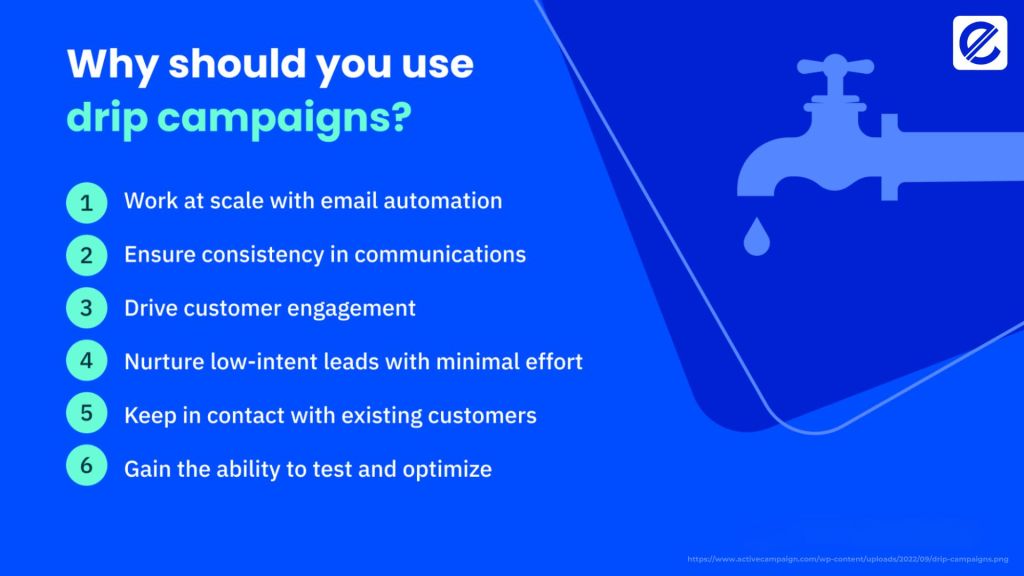
The value of drip campaigns lies in automation. Configure triggers to send emails automatically in response to particular actions or intervals of time. For example, if a lead downloads a whitepaper, you might send a follow-up email three days later offering a case study or demo. This automation allows you to engage with leads at the perfect time without manual intervention.
Optimizing Drip Campaigns for Better Results
The work will continue once your drip campaign is up and running. Continuous optimization is critical to improving your results. Here to do it:
Analyze Performance Metrics
Keep a close eye on your performance. Track metrics such as open rates, click-through rates, and conversion rates. These metrics will give you insights into what’s working and what isn’t. If an email is performing poorly, feel free to tweak it.
A/B Test Your Emails
A/B testing involves sending two versions of the same email to different segments of your audience to see which one performs better. Test different subject lines, email copy, images, and CTAs to find the most effective combination. Small changes can make a big difference in your campaign.
Refine Your Segmentation
As you gather more data, specific segments respond better to different types of content. Continuously refine your segmentation to ensure each lead receives the most relevant messages. This refinement can lead to higher engagement and better conversion rates.
The Role of Timing in Drip Campaigns
Timing is everything in drip campaigns. Sending an email too early or too late can reduce its effectiveness. Here to get your timing just right:
Spacing Out Your Emails
The effectiveness of your emails can be significantly impacted by how often you send them. If you send too many emails too quickly, you risk overwhelming your leads and causing them to unsubscribe. On the other hand, if you wait too long between emails, you might lose interest. Finding the right balance is crucial.
Using Behavioral Triggers
Using behavioral triggers, you may email leads based on their behavior. For instance, you may send an email with a discount or free trial if a lead visits your pricing page. By ensuring that your emails are pertinent and timely, these triggers raise the likelihood that they will be converted.
Monitoring Engagement Levels
Observe how recipients of your emails engage with them. A decline in interaction could indicate that you must send more valuable emails. Adjust your timing and content accordingly to keep your audience engaged.
Common Mistakes to Avoid in Drip Campaigns
Even the best marketers can make mistakes. Here are some common pitfalls to avoid in your drip campaigns:
Neglecting Personalization
Customization is essential to distinguishing your emails. Instead, use the llead’sname, reference their specific actions, and tailor the content to their interests.
Overloading with Information
While providing value is essential, avoiding overloading your emails with too much information is important. Keep your messages concise and focused on one central point. If you have much to say, consider breaking it up into a series of emails.
Forgetting the CTA
Your drip campaign should include a call to action (CTA) in each email. Whether it’s encouraging the lead to sign up for a webinar, download a guide, or purchase, make sure your CTA is compelling and easy to follow.
Mastering Drip Campaigns for Success
Effective drip campaign creation is a science as much as an art. By knowing your target, creating engaging content, and making the most of your efforts, you can nurture your leads and help them become customers. Remember, the key to success is delivering the correct message at the right time and consistently adding value without overwhelming your audience.
Ready to ramp up your digital marketing game with expert drip campaigns? Explore Elatre and discover how our creative solutions can help you connect with your audience like never before.