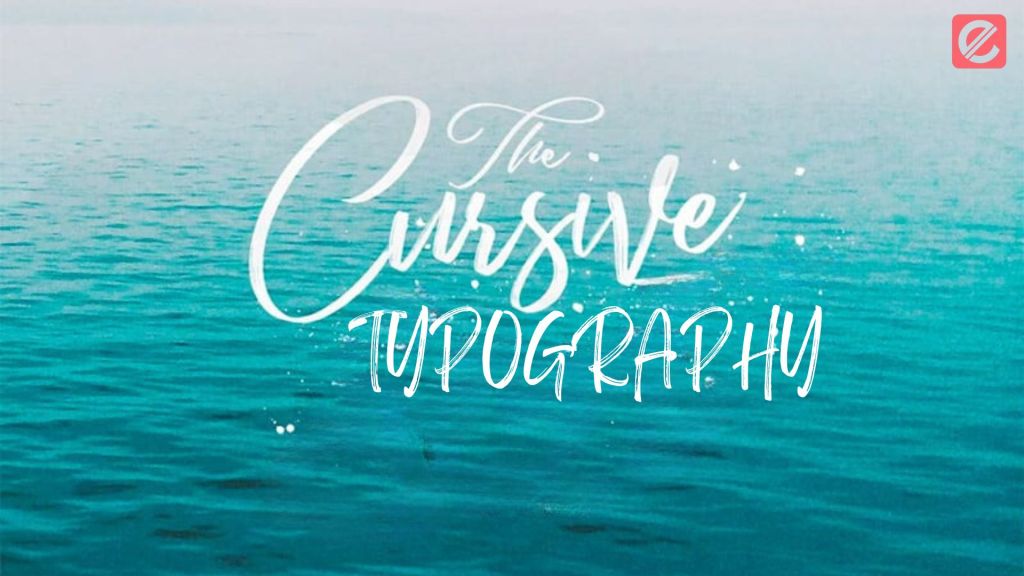
Imagine the beauty of words flowing like a graceful dance across the page—each letter connected in a harmonious rhythm. This is the magic of cursive typography, a style that blends artistry with communication. But how does one master this elegant form of writing? Is it merely about practice, or do the right tools make all the difference? If you’ve ever wondered how to refine your cursive skills, you’re in the right place. In this article, we’ll explore the essential tools for mastering cursive typography, making achieving stunning results in your writing projects easier.
Understanding the Basics of Cursive Typography
Before diving into the tools, it’s crucial to understand what cursive typography entails. Cursive typography is more than just a writing style; it’s a way to bring personality and elegance to your text. Unlike print fonts, cursive fonts have a flowing, connected appearance miming natural handwriting. This style is often used in formal invitations, logos, and branding to convey sophistication and timelessness.
Cursive typography can be categorized into different types, such as formal, casual, and calligraphic cursive. Each has unique characteristics, making it essential to choose the right style depending on the context and audience. Understanding these basics will guide you in selecting the appropriate tools for your needs.
Essential Tools for Mastering Cursive Typography
High-Quality Calligraphy Pens
A high-quality calligraphy pen is one of the most essential tools for mastering cursive typography. These pens are designed to create smooth, flowing lines essential for cursive writing. They come in various types, including fountain pens, dip pens, and brush pens, each offering a unique writing experience. Fountain pens are ideal for beginners due to their ease of use, while professionals, for their versatility and precision, favor dip pens and brush pens.
When selecting a calligraphy pen, consider the nib size and flexibility. A flexible nib allows for varying line thicknesses, adding depth and dimension to your cursive typography. Brands like Lamy, Pilot, and Tombow offer excellent options for beginners and advanced users.
Smooth, High-Quality Paper
The quality of your cursive typography can be significantly affected by the type of paper you choose. Smooth, high-quality paper is essential for preventing ink bleed and ensuring your lines remain crisp and clean. Look for paper weighing at least 100 to ensure durability and resistance to feathering.
Paper designed explicitly for calligraphy, such as Rhodia or Clairefontaine, is an excellent choice. These papers have a smooth surface that allows your pen to glide effortlessly, making it easier to achieve consistent strokes. A grid or lined paper can help you maintain uniformity in your letterforms, especially when starting.
Guides and Templates
Consistency is key when mastering cursive typography, and guides or templates can be incredibly helpful in achieving that consistency. These tools simplify the design of consistent lettering by offering a visual reference for letter height, spacing, and slant.
Various guides are available, from basic lined templates to more complex grids that help you perfect the angle and proportion of each letter. You can find printable guides online or invest in a reusable template, such as the ones offered by Lettermate, which are great for envelope addressing.
Erasable Markers for Practice
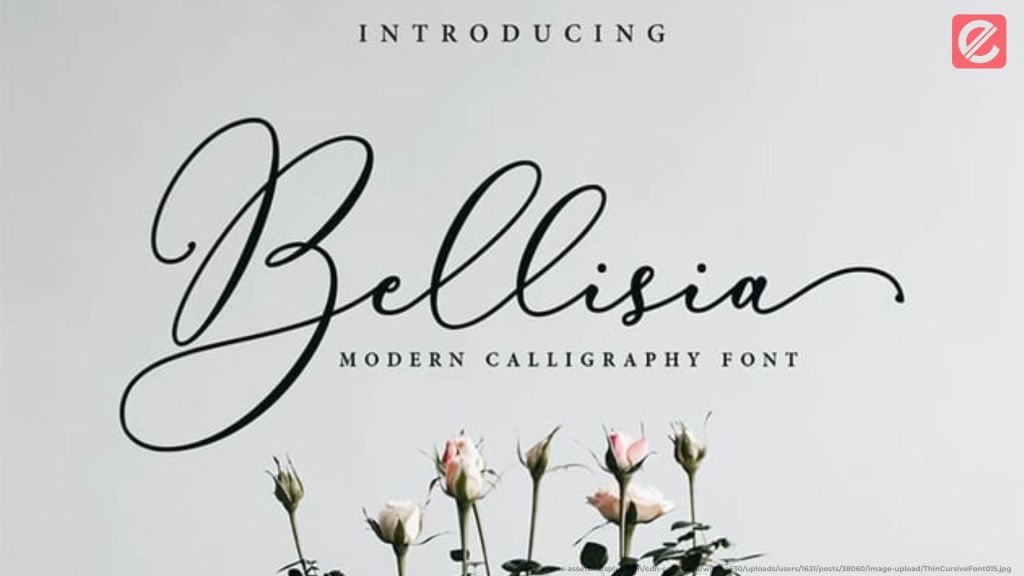
Practicing cursive typography can be challenging, especially when perfecting each stroke. Erasable markers are a fantastic tool for beginners because they allow you to correct mistakes quickly without starting over. These markers come in various colors, enabling you to differentiate between practice lines and final strokes.
Using erasable markers on a whiteboard or erasable notebook can also be a great way to practice large-scale cursive typography before moving on to more permanent mediums. Brands like Frixion and Crayola offer high-quality erasable markers for adults and children.
Digital Tools and Software
In today’s digital age, mastering cursive typography isn’t limited to pen and paper. You may improve your cursive writing skills with various digital tools and software. Programs like Adobe Illustrator, Procreate, and Inkscape offer advanced features for creating and editing cursive typography digitally.
With the ability to try out various sizes, styles, and colors, these tools let you make original creations. They also offer the advantage of undo and redo functions, making it easier to perfect your work without wasting materials. Many programs also have built-in guides and templates, further aiding learning.
Tips for Practicing Cursive Typography
Start with Basic Strokes
Mastering cursive typography begins with mastering basic strokes. Practice standard strokes such as loops, curves, and slants before completing letters and words. This foundational practice will help you build muscle memory and improve your overall technique.
Slow and Steady Wins the Race
Cursive writing is about flow, but that doesn’t mean you should rush. Take your time with each stroke, focusing on precision and consistency. Over time, your speed will naturally increase as your skills improve.
Use Reference Materials
Use reference materials like cursive writing books or online tutorials to guide your practice. These resources provide valuable tips and techniques you might need help with to discover independently.
Experiment with Different Styles
Cursive typography offers many styles, from traditional copperplate to modern brush lettering. Experimenting with different styles can help you find the one that best suits your needs and preferences.
Practice Regularly
Like any skill, mastering cursive typography requires regular practice. Set aside time each day to practice your writing, even if it’s just for a few minutes. Consistent practice will lead to noticeable improvement over time.
Bringing It All Together: Mastering Cursive Typography
Mastering cursive typography is an art that requires the right tools, practice, and patience. Whether you’re a beginner or an experienced designer, the tools mentioned in this article will set you on the path to success. From high-quality calligraphy pens to digital software, each tool is crucial in helping you achieve beautiful, flowing cursive letters. Remember, consistency and practice are key—start with the basics and gradually work your way up to more complex designs.
So why wait? Begin your journey into the world of cursive typography today. Explore Elatre for more creative tips and tools to enhance your design projects. Happy writing!