
Imagine you’re launching a new website or blog. You’ve invested countless hours crafting valuable content, but how will people discover it? This is where SEO marketing comes into play .The art and science of increasing your online presence to draw more natural traffic from search engines like Google is known as SEO, or search engine optimization. Let’s dive into the essential strategies for mastering SEO marketing.
Understanding SEO Marketing
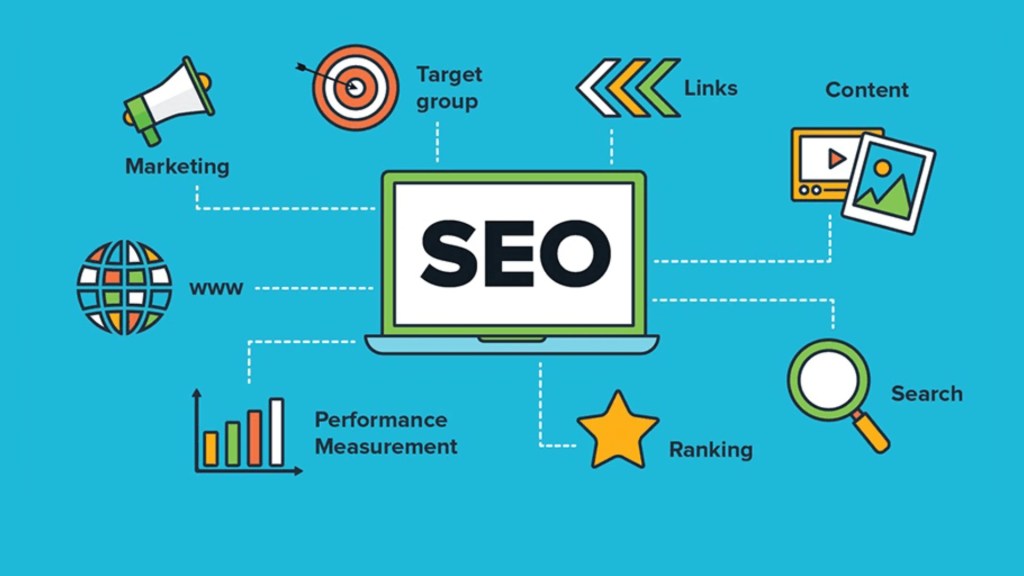
What is SEO Marketing?
- SEO Definition: Optimizing your website and content to appear higher in search engine results pages is known as SEO marketing (SERPs). This procedure makes sure that when people look up relevant terms or topics, your website comes up prominently.
- Purpose: The primary goal is to increase organic (non-paid) traffic to your site by enhancing its relevance and authority. The higher your website ranks, the more likely it is that people will visit it.
Why SEO is Crucial
- Visibility: Increased visibility is correlated with high search engine ranks. There is a greater chance of clicks and visitors to websites that are listed on the first page of search results.
- Credibility: Users trust search engines to deliver the most relevant and authoritative results. Ranking high can boost your site’s credibility and perceived authority.
Critical Strategies for Effective SEO Marketing

1. Keyword Research
- Importance: Knowing what your target audience is looking for will help you choose the appropriate keywords. You may better align your content with user intent by focusing on keywords, which are the words and expressions users type into search engines.
- Tools: To locate pertinent keywords, make use of resources like Ahrefs, SEMrush, and Google Keyword Planner. These tools provide data on search volume, competition, and keyword variations.
- Long-Tail Keywords: Focus on specific phrases with less competition but higher conversion potential. Long-tail keywords are longer and more specific, making them easier to rank for and often more targeted to users’ needs.
2. On-Page Optimization
- Title Tags: Incorporate primary keywords in your page titles. Title tags are a critical on-page SEO element and should be descriptive and under 60 characters to ensure complete visibility in search results.
- Meta Descriptions: Write compelling meta descriptions that include keywords and encourage users to click through. Meta descriptions ought to be no more than 160 characters and show up beneath the title in search results.
- Headings: For titles, use H1 tags; for subheadings, use H2 and H3 tags. Making effective use of headings helps organize your information, which facilitates understanding by both people and search engines.
- Content Quality: Produce high-quality, relevant content that offers value to your audience. Integrate keywords naturally and avoid keyword stuffing. Better content has a higher chance of drawing in backlinks and capturing visitors’ attention.
3. Technical SEO
- Site Speed: Ensure your website loads quickly. A fast-loading site improves user experience and can positively impact your search rankings. Use tools like Google Page Speed Insights to test and enhance your site’s speed.
- Mobile Friendliness: Make your website mobile-friendly. A mobile-friendly website is crucial for keeping visitors and doing well in mobile search results given the growing number of mobile users.
- URL Structure: Make use of clear, informative URLs that contain keywords. Simple, understandable URLs are easier for visitors to comprehend and search engines to crawl.
- XML Sitemaps: To improve the efficiency of search engines’ crawling and indexing of your website, create and upload XML sitemaps. Sitemaps provide a roadmap of your site’s content.
4. Off-Page Optimization
- Backlinks: Acquire high-quality backlinks from reputable sites. Backlinks act as endorsements for your content and signal to search engines that your site is authoritative and trustworthy.
- Social Media: Make sure to share your material on social media. Your site’s exposure can be enhanced and trafficked by social signals and interaction.
- Local SEO :By claiming your Google My Business listing and promoting customer reviews, you may optimize your website for local searches. Local SEO helps businesses attract customers in their geographic area.
5. Content Marketing
- Blogging: Regularly update your blog with fresh, relevant content. Blogging keeps your site active and provides opportunities to target new keywords and engage with your audience.
- Visual Content: Incorporate images, videos, and infographics to make your content more engaging and shareable. You may improve user experience and lengthen visitors’ stays on your website using visual content.
- Content Updates: Regularly review and update existing content to keep it relevant and accurate. Over time, updated material can help you keep or raise your rankings.
6. Analytics and Monitoring
- Google Analytics: Track user activity, traffic sources, and website performance using Google Analytics. Analytics provide you with data on user behavior on your website and the most effective marketing strategies.
- Google Search Console: Monitor your site’s indexing status, search queries, and crawl errors with Google Search Console. Make use of this tool to identify and fix issues that may be compromising the operation of your website.
- Performance Metrics: Track key metrics like bounce rate, average session duration, and conversion rates. By examining these KPIs, you may evaluate the success of your SEO campaigns and implement data-driven changes.
Imagine your website climbing the ranks of search engine results, drawing in more visitors, and converting leads into loyal customers. Mastering SEO marketing requires a blend of technical skills, strategic planning, and ongoing optimization. By concentrating on keyword research, on-page and off-page optimization, technical SEO, and content marketing, you can increase the visibility of your website and bring in more organic visitors. Keep in mind that SEO is an ongoing process, so keep up with the most recent developments and modify your tactics accordingly. adapt your strategies accordingly.
With these strategies, you’re well on your way to mastering SEO marketing and achieving top search engine rankings.