
Imagine navigating a ship without a map. You might have a direction in mind, but reaching your destination without a clear path becomes uncertain. Similarly, in business, strategic marketing is the compass that guides companies toward their goals. Yet, even with a strategy, many businesses encounter common challenges in strategic marketing that can hinder their success. These obstacles can leave companies adrift in a sea of competition if not addressed. So, what are these challenges, and how can they be overcome?
The Importance of Strategic Marketing
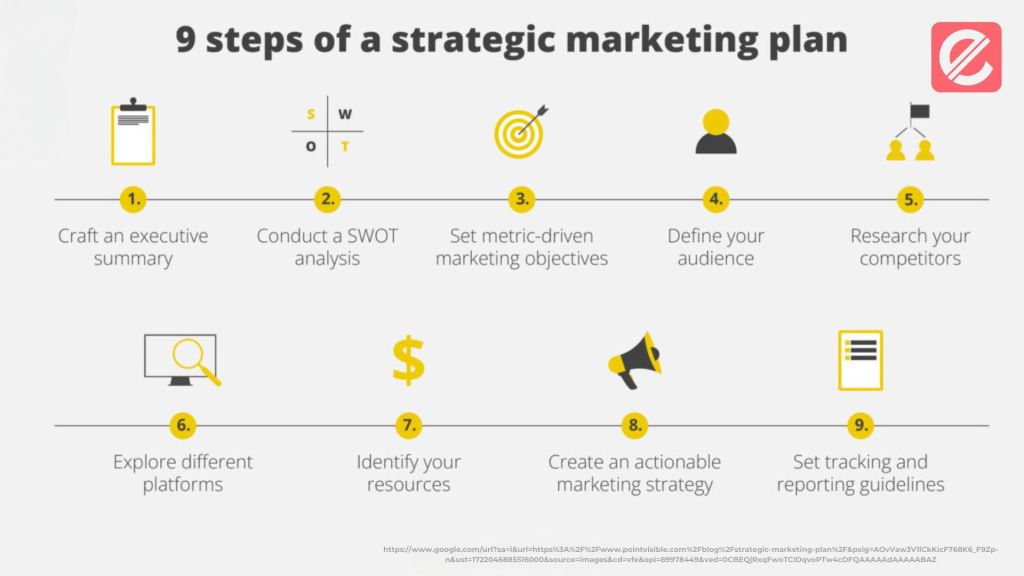
Strategic marketing is the blueprint for how a company communicates its value proposition to the market. It involves thorough planning, research, and execution to align marketing efforts with business objectives. However, despite its critical importance, businesses often need help with their progress. Understanding these challenges is the first step toward overcoming them and achieving long-term success.
Misalignment Between Marketing and Business Goals
One of the most significant challenges in strategic marketing is the need for more alignment between marketing initiatives and overall business goals. This imbalance could lead to wasted resources and missed opportunities. For example, a company might focus on increasing brand awareness when the primary business goal is to drive sales.
The Solution: Ensuring Alignment
To overcome this challenge, it’s essential to ensure that marketing strategies align directly with the company’s business objectives. This can be accomplished by establishing explicit, quantifiable goals, keeping a close eye on performance indicators, and maintaining regular contact between the marketing staff and other departments. When marketing campaigns align with overall company goals, companies can ensure their money goes toward the right things.
Inadequate Understanding of the Target Audience
Another common challenge in strategic marketing is an inadequate understanding of the target audience. Campaigns that don’t connect with the target audience may come from this, resulting in low engagement and a bad return on investment.
The Solution: Deep Audience Insights
To address this issue, companies need to invest time and resources in gaining deep insights into their target audience. This includes understanding their demographics, preferences, pain points, and buying behavior. Utilizing tools like customer surveys, focus groups, and data analytics can help marketers create more targeted and relevant campaigns. Businesses can craft messages that resonate and drive action by genuinely understanding the audience.
Ineffective Use of Marketing Channels
Any strategic marketing plan must be successful in selecting the appropriate marketing channels. However, many businesses need help identifying the most effective channels for reaching their target audience. This can lead to diluted efforts and suboptimal results.
The Solution: Channel Optimization
Companies should conduct thorough research to overcome this challenge and determine which channels their target audience uses most frequently. Examples are social media sites, email marketing, content marketing, and paid advertising. Channel methods must also be regularly tested and improved to guarantee optimal efficacy. Businesses concentrating on the most productive channels can increase their influence and reach.
Budget Constraints and Resource Allocation
Strategic marketing often requires significant investment in time, money, and resources. However, budget constraints can limit the scope and effectiveness of marketing efforts. This is a common challenge, especially for small and medium-sized enterprises.
The Solution: Smart Budgeting and Resource Allocation
Companies should prioritize their marketing efforts to navigate budget constraints based on their goals and available resources. This may involve focusing on high-impact, low-cost strategies such as content marketing or leveraging partnerships to extend reach. Additionally, businesses should continuously evaluate the ROI of their marketing activities and reallocate resources to the most effective initiatives. By strategically budgeting and resource allocation, companies can achieve more with less.
Rapidly Changing Market Dynamics
In today’s fast-paced business environment, market dynamics can change rapidly. This poses a significant challenge for strategic marketing, as strategies that work today may not be effective tomorrow. Staying ahead of these changes requires agility and adaptability.
The Solution: Staying Agile and Adaptable
Adaptive marketing strategies are essential for organizations to stay up with the industry’s dynamic nature. This involves being open to experimentation, continuously monitoring market trends, and being willing to pivot strategies when necessary. Businesses can remain competitive and adapt quickly to market changes if they shift with the times.
Measuring Marketing Effectiveness
One often overlooked challenge in strategic marketing is measuring marketing efforts’ effectiveness. With proper metrics, it can be easier to assess what works and what doesn’t, leading to efficient use of resources.
The Solution: Implementing Robust Analytics
To address this challenge, companies should implement robust analytics and tracking systems. This entails utilizing technologies such as Google Analytics, establishing key performance indicators (KPIs) aligned with corporate objectives, and routinely analyzing data to modify strategy. By fully comprehending the factors that contribute to success, businesses may maximize the impact of their marketing efforts.
Maintaining Consistency Across Channels
Maintaining consistency in messaging and branding across multiple marketing channels is another common challenge. Consistent messaging can confuse customers and dilute brand identity, positively impacting marketing campaigns’ overall effectiveness.
The Solution: Developing a Unified Brand Strategy
To ensure consistency, businesses should develop a unified brand strategy outlining the key messages, tone, and visual elements used across all channels. This strategy should be communicated to all team members and partners involved in marketing efforts. Additionally, regular audits of marketing materials can help identify and rectify inconsistencies. Businesses can fortify their brand identity and gain the audience’s trust using a consistent brand voice.
Navigating the Complexities of Strategic Marketing
Strategic marketing is a crucial component of business success, but it’s not without its challenges. These obstacles can be daunting, from misalignment with business goals to rapidly changing market dynamics, and they take time and effort. However, by understanding these challenges and implementing practical solutions, companies can navigate the complexities of strategic marketing and achieve their goals.
At Elatre, we specialize in helping businesses overcome these challenges through innovative and effective marketing strategies. If you’re ready to take your strategic marketing to the next level, explore our services and see how we can help you succeed.