
Imagine devoting all of your attention to creating the perfect email campaign, only to have it end up in the spam folder. Disheartening, right? That’s where email deliverability comes in. The magic ingredient ensures your emails reach their intended destination: the inbox. This will be your guide to mastering the art of the email deliverability test. We’ll delve into what it is, why it’s crucial, and most importantly, how to conduct practical tests to improve your email campaign performance.
What is an Email Deliverability Test?
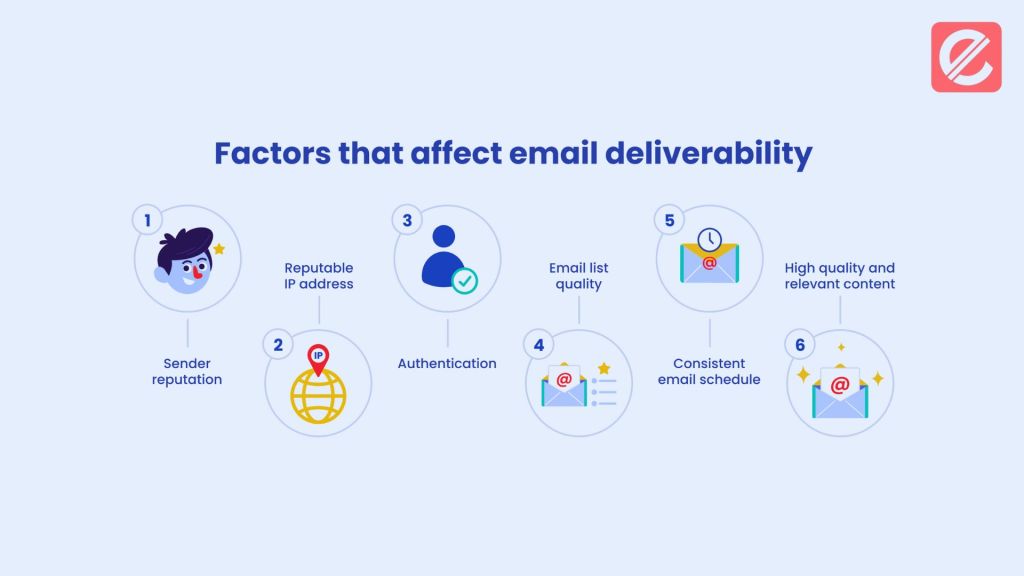
An email deliverability test is a process that assesses the likelihood of your emails landing in your recipient’s inbox. It analyzes various factors that influence email deliverability, such as:
- Sender reputation: This refers to your history of sending emails. Have you been flagged for spam in the past? Do you consistently send valuable content? Your sender’s reputation significantly affects how email providers perceive your emails.
- Email content: Spammy content with excessive exclamation points, ALL CAPS, and irrelevant keywords can trigger spam filters.
- Authentication protocols: These security measures verify your legitimacy as the sender. Standard protocols include SPF, DKIM, and DMARC.
- List hygiene: Your email deliverability rates may improve if your list contains valid or out-of-date addresses.
Why is Email Deliverability Test Important?
Think of your email deliverability rate as the conversion rate for your email campaigns. A low deliverability rate means a significant chunk of your target audience never even sees your message. Here’s why testing your deliverability is crucial:
- Boosts inbox placement: By identifying and addressing potential issues, you increase the chances of your emails landing in the inbox, where they’ll be seen and acted upon.

- Improves sender reputation: Consistent high deliverability rates build a positive reputation with email providers, leading to better inbox placement for future campaigns.
- Reduces spam complaints: Once your emails arrive in inboxes, recipients are less likely to flag them as spam, thus boosting your sender’s reputation.
- Maximizes campaign ROI: By ensuring your emails reach the right audience, you get the most out of your email marketing efforts.
How to Conduct an Email Deliverability Test: A Step-by-Step Guide
Now that you know the significance of email deliverability testing, let’s look at how to carry it out successfully:
Choose Your Testing Method
There are two main approaches to email deliverability testing:
- Internal Testing: This involves sending test emails to a list of known addresses within your organization. While it can provide fundamental insights into technical configurations, it doesn’t replicate real-world conditions with major email providers like Gmail or Outlook.
- External Testing Services: These services offer a more comprehensive analysis by simulating real-world sending scenarios. They typically provide detailed reports on spam filters, authentication protocols, and potential deliverability roadblocks across significant email providers.
Prepare Your Test Email
Here’s what to keep in mind when crafting your test email:
- Content: Use a sample email representative of your actual campaigns. This allows the testing service to analyze the content for spam triggers.
- Personalization: Include elements like recipient names to ensure the email doesn’t resemble generic spam.
- Authentication: Ensure your test email includes proper authentication protocols (SPF, DKIM, DMARC) to mimic your actual campaigns.

Select Your Test Recipients
Choose a small group of colleagues with various email providers for internal testing. They typically offer pre-configured inboxes at major providers for testing when using an external service.
Run the Test and Analyze Results
Once you’ve sent your test email, wait for the results. Here’s what to look for:
- Delivery Rates: This indicates the percentage of emails that reached the intended server.
- Inbox Placement: See where your email landed: inbox, spam folder, or promotions tab.
- Spam Score: Many organizations offer a spam score that helps you determine the likelihood that your email will be flagged as spam. Aim for a low score.
- Detailed Reports: External services offer in-depth reports highlighting potential issues and recommendations for improvement.
Improve Your Deliverability Based on Test Results
Based on your test results, take corrective actions to improve your email deliverability:
- Enhance Sender Reputation: Build a positive sender reputation by consistently sending valuable content, avoiding spammy practices, and maintaining a clean email list.
- Optimize Email Content: Review your content for spam triggers like excessive punctuation, irrelevant keywords, and low image-to-text ratio.
- Implement Authentication Protocols: Ensure you have SPF, DKIM, and DMARC properly configured to verify your legitimacy as a sender.
- Clean Up Your Email List: Regularly remove invalid, inactive, or unengaged subscribers to maintain list hygiene.
Common Email Deliverability Issues and How to Fix Them
Many factors can impact your email deliverability. Here are some common issues and how to address them:
- Low Sender Reputation: Build trust by consistently sending valuable content, avoiding spammy practices, and maintaining a clean email list.
- Spammy Content: Review your content for excessive punctuation, irrelevant keywords, and low image-to-text ratio. Use a clear and concise writing style.
- Missing or Incorrect Authentication: Ensure that SPF, DKIM, and DMARC are correctly configured to verify your legitimacy as a sender.
- Unclean Email List: Regularly remove invalid, inactive, or unengaged subscribers to maintain list hygiene.
Beyond the Test: Ongoing Monitoring and Improvement
Email deliverability is an ongoing process, not a one-time fix. Here are some best practices to maintain good deliverability after your test:
- Monitor Your Sender Reputation: Use tools to track your sender reputation score and identify potential issues before they impact your campaigns.
- Segment Your Email List: Segment your list based on demographics, interests, and engagement levels to ensure recipients receive relevant content, improving engagement and reducing spam complaints.
- Use a Reputable Email Marketing Platform: Select a platform with solid deliverability capabilities, such as support for authentication protocols, spam checkers, and tools for list hygiene.
- Warm Up Your Sending IP: If you’re a new sender, gradually increase your sending volume to avoid triggering spam filters.
- Continuously Test and Refine: Conduct email deliverability tests to identify and address emerging issues.
By incorporating email deliverability testing into your email marketing strategy, you can significantly improve the chances of your emails reaching their intended destination: the inbox. Remember, a well-crafted email can only be effective if it reaches the right people.
Ready to explore how Elatre can help you achieve optimal email deliverability and maximize the impact of your email marketing campaigns? Contact our email marketing experts today to discuss your needs and develop a winning strategy.