Imagine launching a digital marketing campaign without a clear idea of how much to spend. It’s like trying to steer a ship without a compass—you’re heading into unknown waters, risking overspending or underspending, and ultimately not making the most of your investment. This is where budget management becomes crucial.
Budget management in digital marketing isn’t just about spending wisely; it’s about ensuring every dollar counts, maximizing return on investment (ROI), and driving growth. Let’s explore how intelligent budget management can significantly impact your digital marketing success.
Why Budget Management is Crucial in Digital Marketing
Budget management is often overlooked in digital marketing, but it plays a critical role in the effectiveness of campaigns. Whether working with a limited budget or having significant funds, managing your marketing spend is crucial to achieving your goals. Here’s why it’s essential:
- Maximizing ROI: The primary goal of any marketing campaign is to generate more revenue than you spend. A well-managed budget ensures that every dollar is directed toward efforts that provide the best returns.
- Preventing Overspending: With clear budget boundaries, it’s easier to overspend on campaigns that may yield results. This can lead to wasted resources and missed opportunities.
- Data-Driven Decisions: Effective budget management requires tracking performance metrics. Using data, you can adjust spending, ensuring you always put money where it matters most.
Setting Clear Goals for Budget Allocation
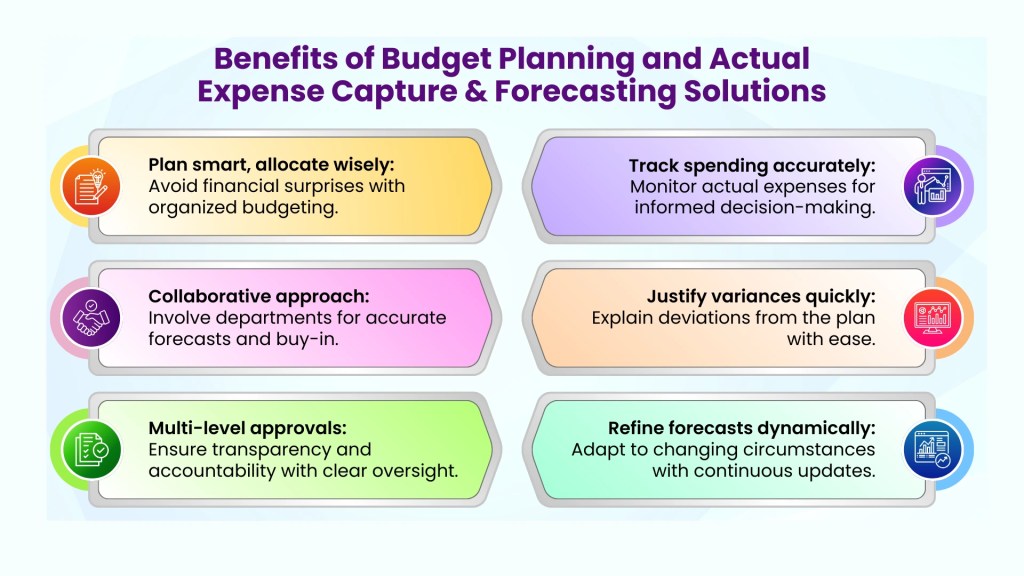
One of the first steps in effective budget management is defining your goals. What do you want to achieve with your digital marketing efforts? Once your goals are clear, you can allocate your budget accordingly.
- High-Performing Channels: Not all marketing channels are created equal. Analyze which channels (SEO, PPC, social media, etc.) drive your business’s most traffic and conversions. Invest more in these high-performing areas.
- Short-Term vs. Long-Term Goals: Digital marketing mixes immediate results (like paid ads) and long-term strategies (like SEO). Balance your budget between these efforts. For example, allocate more to paid ads for quick traffic but invest in SEO for sustainable growth over time.
- Measuring ROI by Campaigns: It’s essential to track the ROI of each campaign. You may find that specific campaigns yield better returns than others, allowing you to adjust spending as needed.
SEO vs. Paid Ads – How to Divide Your Budget

Deciding how much of your budget to allocate to SEO vs. paid ads can take time and effort. Both offer unique advantages, but the right mix depends on your goals.
- SEO (Search Engine Optimization): SEO is a long-term investment, but it’s highly effective for driving organic traffic. If you’re focused on building brand awareness and gaining visibility over time, allocate your budget to SEO.
- Paid Ads: Conversely, paid advertising (such as Google Ads or social media ads) can deliver immediate results. Suppose you need quick conversions or are running time-sensitive campaigns. In that case, it’s worth dedicating more of your budget to paid ads.
- Balancing Act: A balanced approach is often best. Invest in SEO for sustainable growth while using paid ads to drive short-term results.
Monitoring and Adjusting Budgets in Real-Time
In digital marketing, flexibility is essential. What works today might not work tomorrow, so real-time budget monitoring is crucial.
- Be Agile: Campaigns often need adjustments based on performance. If a campaign isn’t delivering the expected results, be ready to shift your budget toward other efforts. Being agile can save money and improve results.
- Tools for Tracking: Utilize tools like Google Ads and Facebook Ads Manager to monitor your ad spending and performance metrics in real-time. These platforms provide insights that help you optimize your campaigns and budget allocations.
Using Analytics to Improve Budget Management
Data-driven marketing is the future, and analytics can guide your budget decisions to ensure you’re spending effectively.
- Google Analytics: This free tool tracks traffic, user behavior, and conversions. It helps you see which marketing channels are performing well and which aren’t so you can adjust your spending accordingly.
- Ad Spend Metrics: Pay attention to cost-per-click (CPC), conversion rate, and customer acquisition cost (CAC). These figures show how much you’re paying to acquire customers and can indicate whether your budget is being spent efficiently.
- A/B Testing: You can determine which strategies work best by conducting A/B tests on your campaigns. Invest more in high-performing tactics and reduce spending on underperforming ones.
Budget Management for Different Digital Marketing Channels

Each digital marketing channel requires a different approach to budgeting. Here’s a look at some of the most popular channels and how to allocate your funds.
Content Marketing
- Quality Content Creation: Creating high-quality content is essential for engaging your audience and improving SEO. Allocate part of your budget to content creation, including blog posts, videos, infographics, and more.
- Content Promotion: Beyond creation, budget for promoting your content through paid ads or influencer partnerships.
Social Media Marketing
- Organic vs. Paid: Social media offers two main avenues—organic posts and paid ads. Allocate some budget for organic content creation and engagement and set aside funds to boost posts or run targeted ads.
- Platform-Specific Budgets: Not all social media platforms work equally well for every business. Test and analyze which platforms drive the most engagement and conversions, and focus your budget there.
Email Marketing
- Cost-Effective Marketing: Email marketing remains one of the most cost-effective strategies. It has a high ROI, so a tiny portion of your budget can go a long way. Use funds to grow your email list, design professional campaigns, and automate processes.
Effective budget management is the backbone of successful digital marketing. By setting clear goals, allocating funds to the proper channels, monitoring performance, and being flexible, you can maximize your marketing ROI and stay competitive in an ever-changing landscape.
Ensure every dollar is accounted for, and adjust your strategies to make the most of your budget. With the right approach, budget management will lead to smarter decisions, better results, and long-term growth.